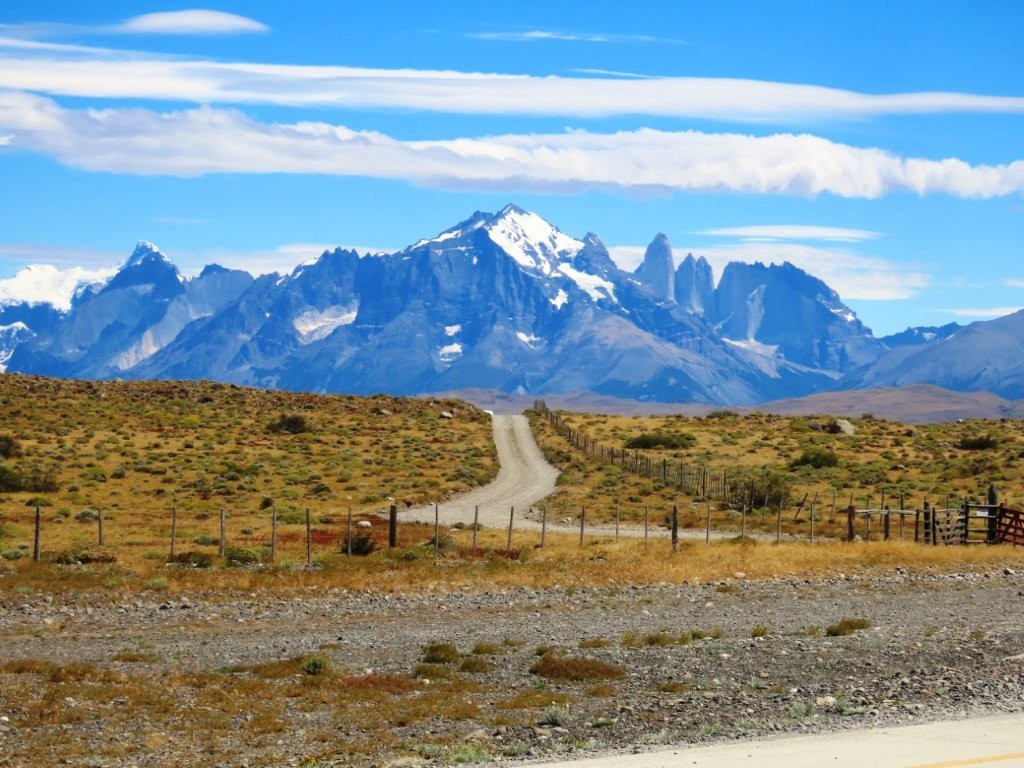
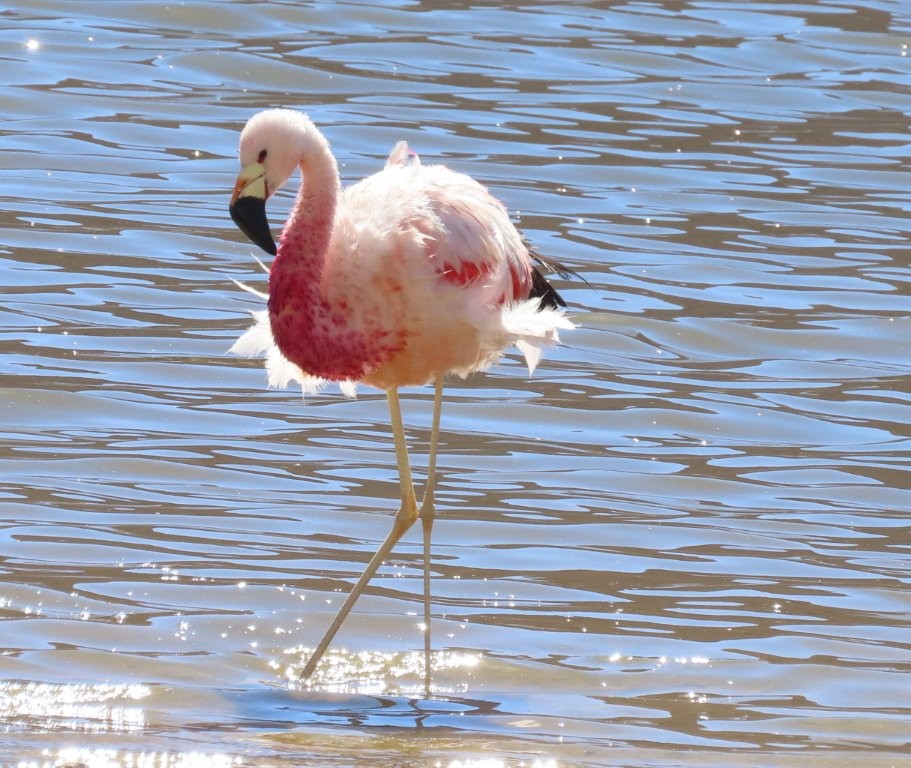
From flamingos beneath snow-capped volcanoes in the Atacama Desert to the fierce winds and jagged mountains of Patagonia, Chile gave us two completely different Bucket List experiences.
Planning your first trip to Chile and wondering what you actually need to know before you go? This Chile travel guide pulls together the practical details that can make your trip much easier—from money and safety to language, transportation, weather, entry requirements and some of the Chile facts that surprised us along the way.
Bill & I spent almost a month traveling through two parts of Chile: one week around Torres del Paine National Park down in Patagonia and 17 days exploring the Atacama Desert in northern Chile.
We drove hundreds of miles through both areas, crossed the Chile-Argentina border by car, navigated remote roads without cell service and experienced everything from ferocious Patagonian winds to more than 15,000 feet of elevation in the Atacama.
As an experienced world traveler, I’ve learned that it’s often the little details that cause the most confusion once you arrive. I’ve done the research—and we learned plenty firsthand—so you can skip some of that analysis paralysis and get back to planning your Chile Bucket List trip.
Use the Table of Contents below to jump straight to the sections you need, or read through the full guide at your own pace.


PLAN YOUR TRIP WITH OUR
FAVORITE TOOLS
– Best Lodging site: Booking.com
– Book Day Tours here: Viator.com
– Rent Cars here: DiscoverCars.com
Chile Travel Guide Quick Facts
Before we get into all the details, here are a few Chile facts that will help you get your bearings quickly.
- Official language: Spanish
- Currency: Chilean Peso (CLP)
- Capital: Santiago
- Known for: The Atacama Desert, Andes Mountains, Patagonia, wine, Rapa Nui/Easter Island and its incredibly long Pacific coastline
- Main travel regions: Northern Chile, Central Chile, Southern Chile/Patagonia and Rapa Nui
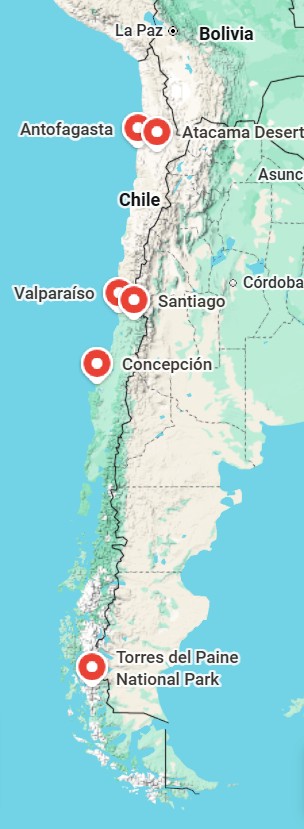
Chile is incredibly long and skinny—stretching about 2,650 miles from north to south between the Pacific Ocean and the Andes Mountains. That geography helps explain why traveling through Chile can feel like visiting several completely different countries.
Kari’s Travel Tip: Don’t assume the weather, elevation or even travel logistics will be similar from one end of Chile to the other. Our experiences in the Atacama Desert and Patagonia could hardly have been more different.
Is Chile Safe for First-Time Visitors?
The US State Department currently rates Chile Level 2: Exercise Increased Caution because of crime, unrest and health concerns. Petty theft, pickpocketing and robberies are the biggest concerns for tourists, especially in larger cities such as Santiago, Valparaíso and some northern cities. Demonstrations can also occur with little warning and may disrupt public transportation.
Most of our time in Chile was spent in remote areas rather than big cities. We only passed through Santiago on our way to and from the Atacama, so I can’t give you firsthand advice about exploring the capital.
In Patagonia and the Atacama Desert, our bigger safety concerns were things like driving remote roads, changing weather, altitude, having no cell service and watching for wildlife along the highway.
The State Department specifically recommends not leaving luggage unattended—even inside a locked vehicle—and being careful with valuables. Theft from buses between Calama and San Pedro de Atacama has also been reported, so keep your valuables physically with you if you’re traveling that route by bus.
Several of our friends experienced theft or attempted theft in Chile—including luggage stolen from a locked rental car, a phone pickpocketed on a bus and an attempted pickpocketing on a train. Always stay aware of your belongings, especially in busy cities and on public transportation.
Kari’s Travel Tip: We always check the State Department travel advisory again right before an international trip. Conditions change, and I’d rather spend five minutes checking than discover something important after we arrive.
I’ve included the official travel advisory, STEP and US Embassy information farther down in this Chile travel guide.
Money in Chile: Understanding the Chilean Peso
Chile uses the Chilean Peso, abbreviated CLP. You’ll also see prices written with a dollar sign, which can be confusing when your American brain automatically thinks it means US dollars.
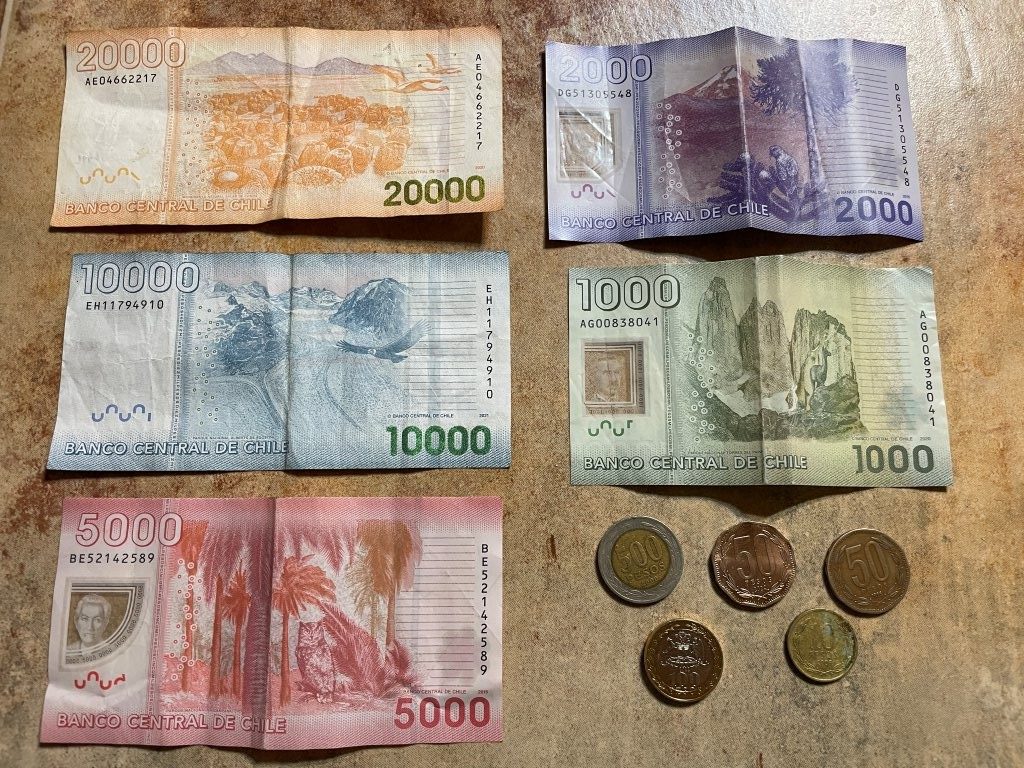
Prices are frequently shown in thousands. You may see something priced at $5.000 or $20.000 and have to remind yourself that you are looking at pesos, not a truly terrifying restaurant bill.
Chile also uses commas and periods differently than we do in the US. For example:
US: $36,456.13
Chile: $36.456,13
We used a mix of cash and credit cards during our month in Chile. Credit cards were widely accepted in the places we traveled, and we were also able to use Apple Pay several times. But we still needed cash for smaller purchases, tips, occasional entrance fees and other situations.
During our February-March 2026 trip, my quick mental calculation was to take the number of Chilean pesos, increase it by roughly 10%, and then divide by 1,000.
So: 36,000 CLP × about 1.1 ÷ 1,000 = roughly $40 USD.
It wasn’t meant to be exact. It was just enough math to help me look at a restaurant menu or entrance fee and quickly understand approximately what something cost.
Kari’s Travel Tip: Exchange rates change constantly, so I use the Xe app when I need the real number. But having a rough mental calculation is much easier than pulling out your phone every time you look at a price.
Kari’s Travel Tip: Try to use up most of your Chilean pesos before leaving the country. We used some of our remaining cash for dinner before our flight out of Santiago.
Tipping Culture in Chile
Restaurants in Chile commonly suggest a 10% tip, but the important word is “suggest”.
The 10% is not legally mandatory. You can decline it or choose a different amount. Restaurants and similar establishments may suggest a tip of at least 10%, but customers are not required to pay it.
We also tip guides and drivers when we receive good service.
Kari’s Travel Tip: Check the bill before automatically adding another tip. If the restaurant asks whether you want to add the suggested 10%, you can simply say yes if you’re happy with the service.
Language in Chile
Spanish is the official language, and Chilean Spanish can be very fast.
I know some basic Spanish, but there were plenty of times when I couldn’t keep up with what someone was saying. We found that people working directly with international travelers—guides, hotel employees and tourism businesses—were more likely to speak some English. In small towns and everyday businesses, English was much less common.
A few basic Spanish words go a long way:
- Please = Por favor
- Thank You = Gracias
- Hello = Hola
- Goodbye = Adiós
- That is delicious! = ¡Qué rico!
- Good morning = Buenos días
- Good evening = Buenas noches
- Where is a bathroom? = ¿Dónde hay un baño?
A few words are particularly useful when exploring Chile:
- Playa = Beach
- Sendero = Hiking trail
- Mirador = Overlook / Viewpoint
- Río = River
- Laguna or Lago = Lake
- Cascada = Waterfall
- Montaña = Mountain
Kari’s Travel Tip: Don’t be afraid to try. My Spanish is nowhere close to fluent, but even a few words can make communication friendlier and easier.
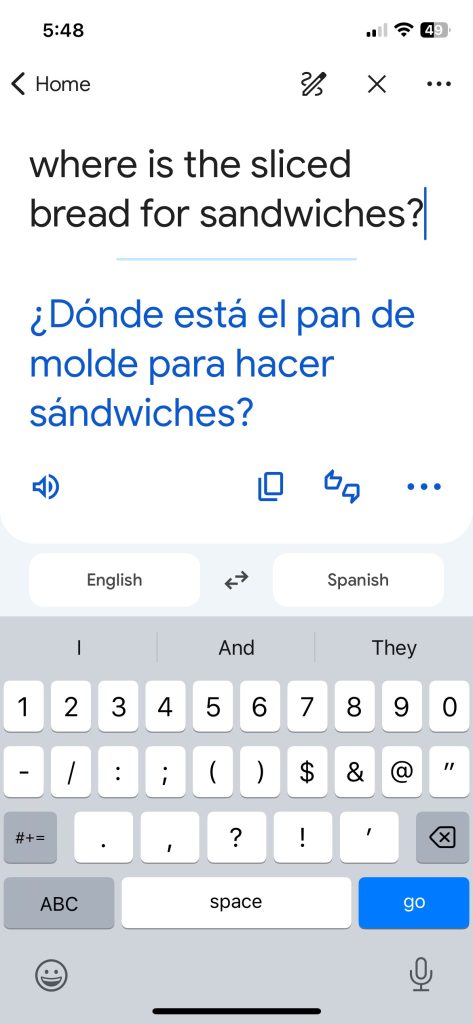
Google Translate
For everything else, I use Google Translate.
I use it several ways—typing or speaking what I want to say and showing someone the translation. The camera feature is another lifesaver because you can point it at menus, signs, food labels or instructions and get a quick translation.
Getting Around Chile
Chile is divided into 16 regions and stretches an enormous distance from north to south. San Pedro de Atacama is in the Antofagasta Region, while Torres del Paine is far south in Magallanes.
We flew between regions rather than trying to cover those distances by road. Chile also has domestic flights and intercity buses, although we did not personally use the long-distance bus system.
Driving in Chile
We rented cars in both Patagonia and the Atacama Desert because we wanted the flexibility to stop for wildlife, photography and viewpoints whenever we wanted.
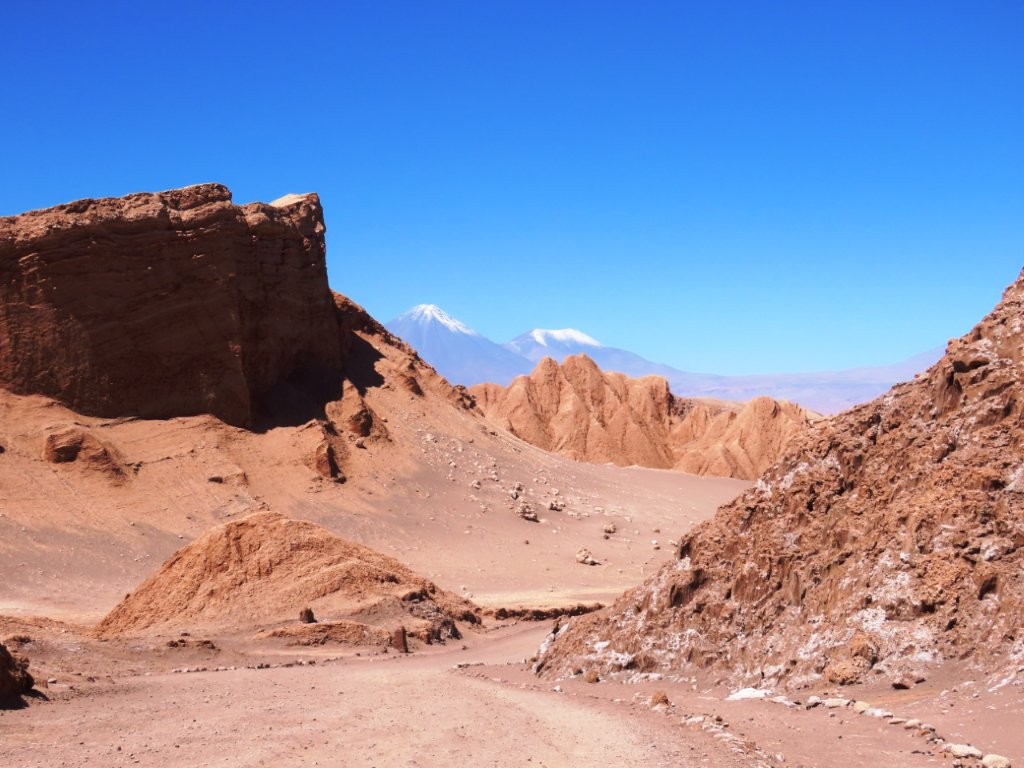
Chileans drive on the right, and the major roads we traveled were generally in good condition, but remote roads ranged from smooth gravel to deeply rutted tracks. We were glad to have AWD in certain cases.
Cell service was also unreliable or nonexistent in many rural areas.
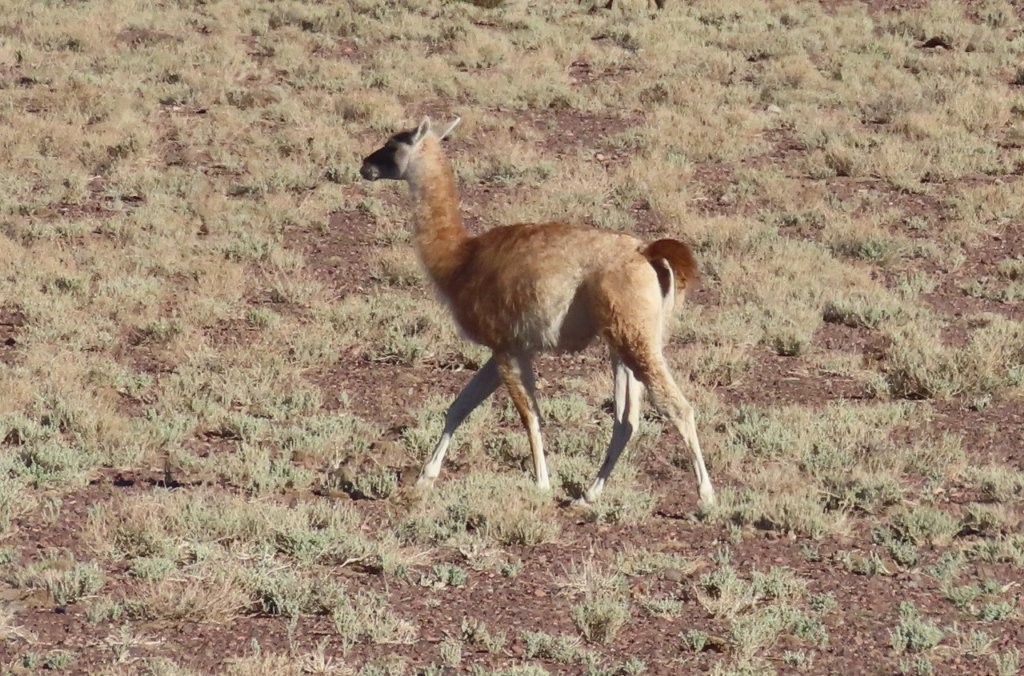
Kari’s Travel Tip: Load Google Maps and hit Start while you still have Wi-Fi or cell service. And keep watching the road for wildlife—we regularly saw guanacos, rheas, vicuñas, foxes and birds along the way.
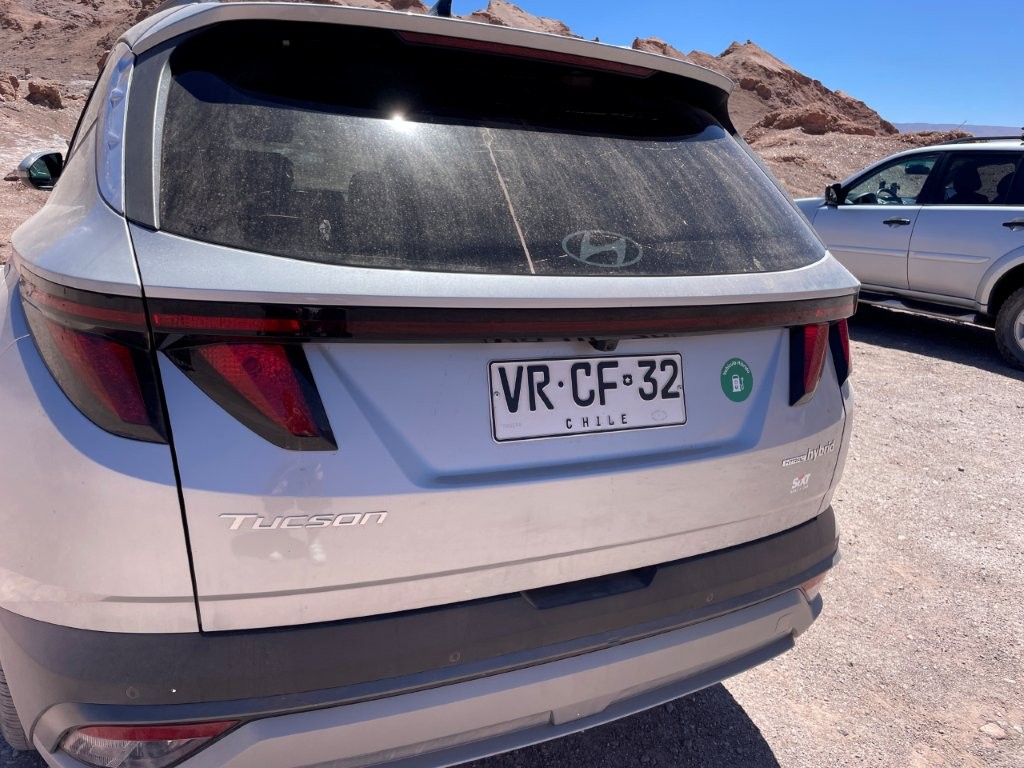
Crossing Between Chile and Argentina by Car
If you plan to take a rental car between Chile and Argentina, you should arrange the required cross-border paperwork with your rental company in advance. Hertz charged us $250 for ours.
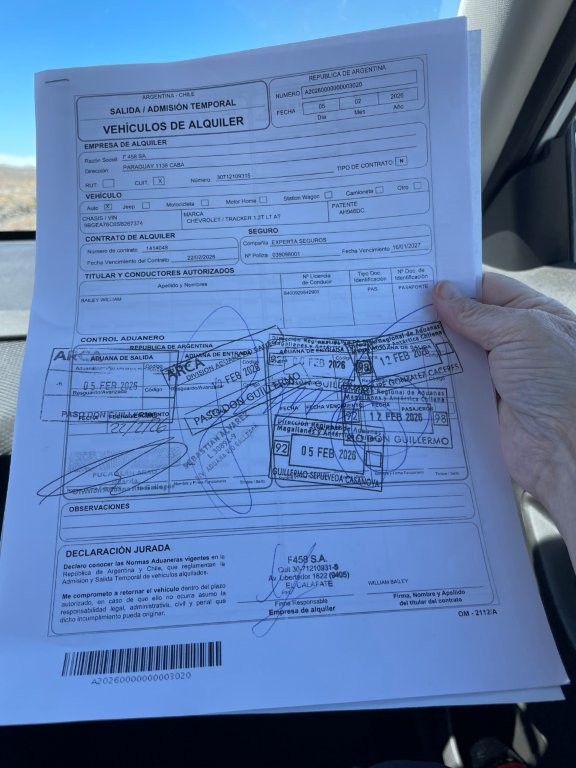
The border crossings themselves varied from quick and easy to about an hour of waiting behind tour buses. Chile also has strict rules about bringing food into the country, which I explain in the Entry Requirements section below.
Buying Tickets for Parks and Reserves
We bought many park and reserve tickets online, including Torres del Paine and several Atacama sites. Some attractions have limited availability, so research tickets before your trip.
But at the parks where you buy tickets at the gate, be prepared to have cash in small bills. They had no credit card machine and were not able to make change for larger bills.
Kari’s Travel Tip: Create any required accounts at home while you have reliable Wi-Fi rather than trying to do it from a remote parking lot.
Don’t Underestimate Atacama Desert Altitude
Atacama is the highest altitude non-polar desert in the world. The town of San Pedro de Atacama itself sits around 7,900 feet above sea level, but many of the places travelers visit are much higher.
During our trip, we drove above 14,000 feet several times and eventually reached viewpoints close to 15,800 feet.
Even when we weren’t hiking, the altitude affected us. We became tired more quickly, sometimes felt lightheaded and definitely noticed how much easier it was to breathe when we descended back toward San Pedro.
We learned to start with lower-elevation excursions and gradually work higher.
Kari’s Travel Tip: You don’t have to be climbing a mountain for altitude to affect you. Simply getting out of a car and walking around a viewpoint above 14,000 feet can feel surprisingly exhausting.
Read more: Atacama Desert Altitude – How to Keep It From Ruining Your Trip
Chile Weather Depends on Where You Are
Northern Chile is dominated by dry desert. Central Chile has more of a Mediterranean climate. Southern Chile becomes cooler, wetter and increasingly influenced by Patagonia. Conditions vary dramatically between the north, center and south.
We experienced this firsthand.
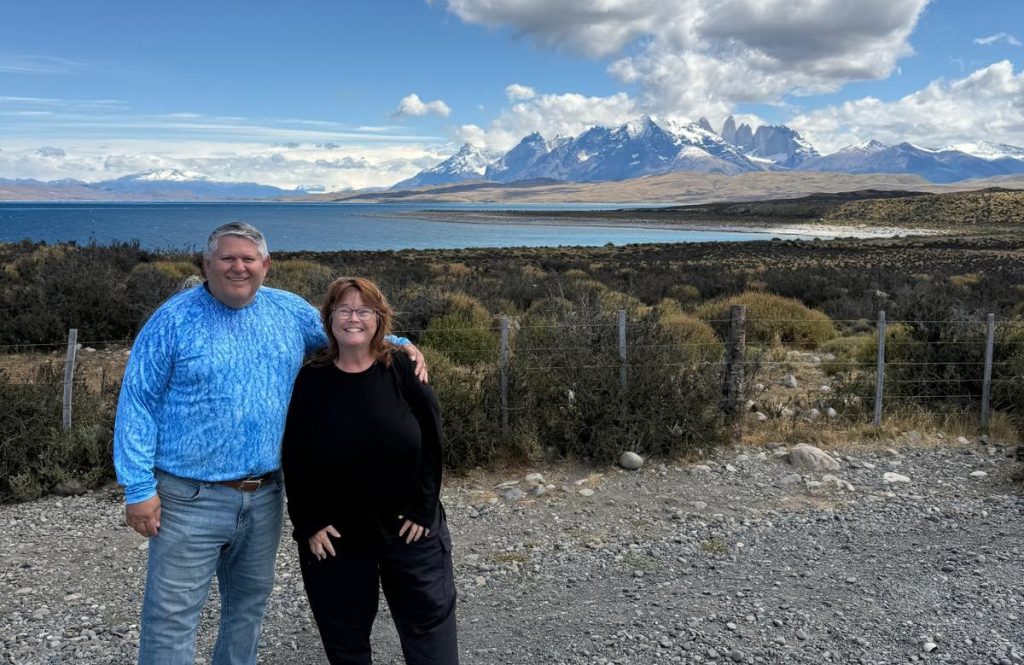
In February, Patagonia was cold and incredibly windy. Our cabin outside Torres del Paine literally shook during some of the strongest wind gusts and we used the wood-burning stove every night to keep warm. On other days the sunshine was warm enough that I wore a short-sleeve T-shirt.
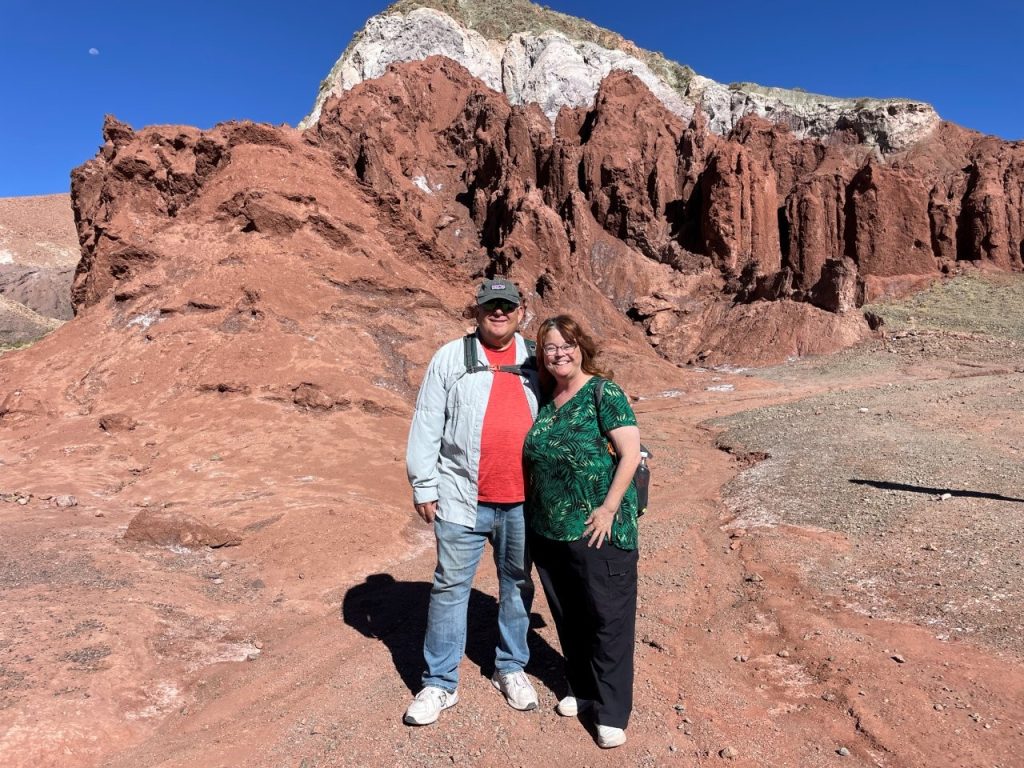
A few weeks later in the Atacama Desert, the days could feel hot in the strong sunshine while temperatures dropped dramatically at night and at higher elevations.
Kari’s Travel Tip: Layers are your friend. Chile is not a destination where I’d look at the average temperature for the country and pack from that.
Remember the Seasons Are Opposite
Because Chile is in the Southern Hemisphere, their summer runs December-February and their winter is June-August.
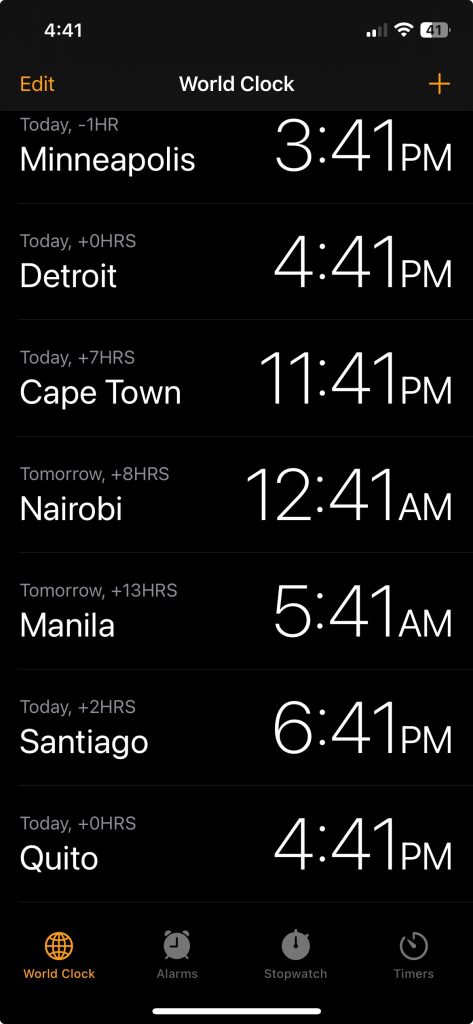
Chile Time Zones Can Get Confusing
Chile is more complicated than some of its South American neighbors because much of the country changes clocks for Daylight Saving Time—but not on the same schedule as the United States.
For most of mainland Chile, including Santiago and the Atacama Desert, the easiest way for an American traveler to think about it is:
- For most of the US winter, Chile is two hours ahead of Eastern Standard Time.
- For most of the US summer, Chile matches Eastern Daylight Time.
- During parts of spring and fall, Chile may be one hour ahead because the two countries change their clocks on different dates.
There are also important regional exceptions. Aysén and Magallanes—including the Torres del Paine area—do not change their clocks seasonally.
And if that paragraph made your eyes glaze over, I understand.
Kari’s Travel Tip: Put Santiago and your actual destination into the World Clock on your phone. That is much easier than trying to memorize Chile’s daylight-saving rules, especially when you’re calling kids or family back home.
Date Format in Chile
Chile uses DD-MM-YYYY rather than the MM-DD-YYYY format we use in the United States.
For example: August 12, 2026 = 12-08-2026
Kari’s Travel Tip: This becomes important when you’re buying tickets or completing official forms. Pay close attention to the requested format when entering your birthday, passport issue date and passport expiration date.

Communications in Chile
Chile’s country calling code is +56.
To type the + sign on your phone, press and hold zero while in dialing mode. Then enter 56 followed by the Chilean phone number.
WhatsApp is widely used throughout Chile and the rest of South America for calls, texts, photos and files.
- We used it with accommodation hosts, drivers, guides and tour companies. It’s also how we stay in touch with our kids and other family members while traveling internationally.
- WhatsApp uses your existing US phone number but communicates through Wi-Fi or cellular data.
- If you give your US number to someone in Chile, remember to include +1 before your area code.
Kari’s Travel Tip: Download WhatsApp and practice using it before you leave home. It’s much easier to figure it out while sitting on your couch than when a driver is waiting somewhere and trying to find you.

Airalo eSIM
I use an Airalo eSIM for cellular data while traveling internationally, and it worked well for us in Chile when we had a signal.
Having data made it much easier to use Google Maps, Google Translate, WhatsApp, reservations and other travel apps when we were away from our accommodations.
Airalo offers country-specific and regional packages. If Chile is part of a larger South America trip, compare the Latin America regional option with a Chile-only plan before buying.
I generally start with a smaller fixed-data package because I can always top it up if needed.
Kari’s Travel Tip: Make sure your phone is unlocked and eSIM-compatible before leaving home. I install my Airalo eSim before the trip and activate it after arriving.
Outlets, Water and Toilets in Chile
Do I Need a Plug Adapter?
Yes, American travelers should bring an adapter.
Chile uses Type C and Type L plugs with 220V electricity at 50Hz. That means the plugs are different from standard US outlets—and the voltage is also higher.


I travel with my Ceptics Universal Travel Adapter Kit because it has worked for me in countries all over the world and lets me charge multiple devices at once.

Kari’s Travel Tip: Most modern phones, computers and camera chargers can handle both 110V and 220V, but check the tiny print on the charger before plugging it in. Hair dryers, curling irons and other appliances are where you really need to pay attention to voltage.
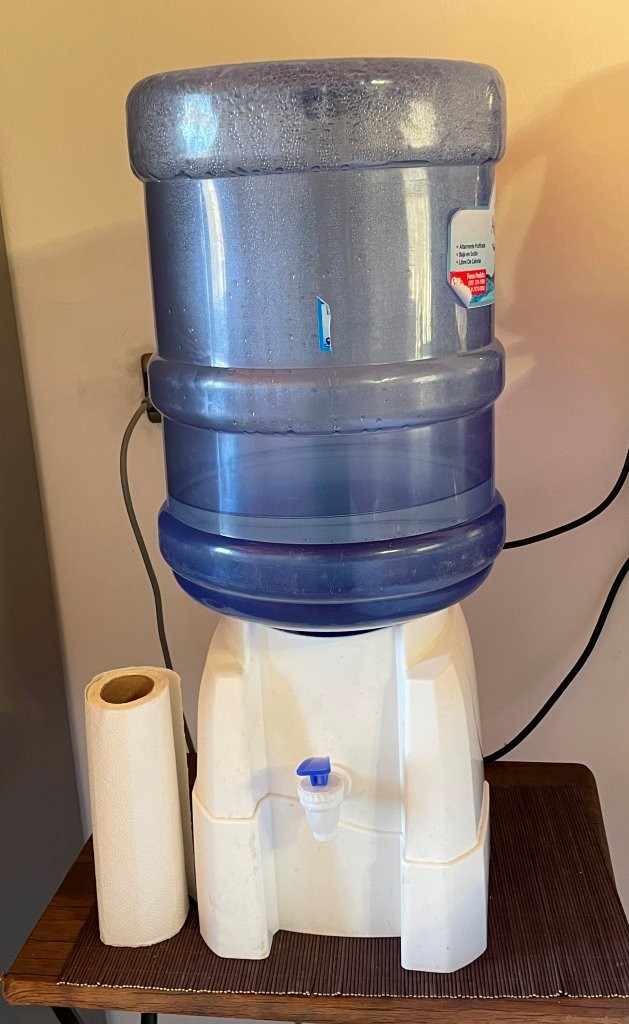
Can I Drink the Tap Water?
The answer is: it depends where you are.
Chile says municipal tap water in major cities is potable and bacteriologically safe, although the high mineral content may bother travelers who aren’t accustomed to it. In more remote or rural areas, it recommends bottled or boiled water because the water may come from wells or natural sources.
During our trip, all three places where we stayed either provided bottled water or recommended that we buy it. Locals also told us they sometimes preferred bottled water because they didn’t like the taste or mineral content.
So that’s what we did.
Kari’s Travel Tip: Ask your accommodation what they recommend. Even if the municipal water is technically safe, your stomach may not be used to the mineral content.
Can You Flush Toilet Paper?
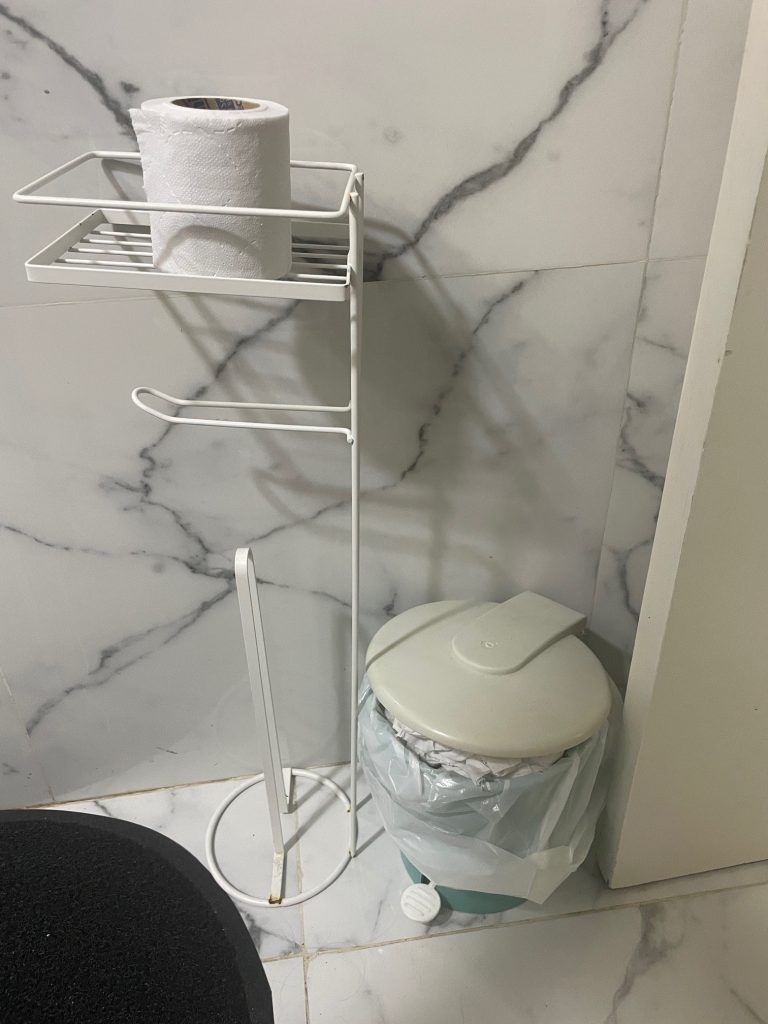
In many places we visited in Chile, toilet paper went into the trash can rather than the toilet.
Sometimes there was a sign reminding us. Often there wasn’t.
Apparently everyone just assumes you know!
I’ll admit that this took me a while to remember. My hand would automatically head toward the toilet before my brain yelled, “Wait! Trash can!”
After four months traveling around South America, I finally had the habit down about 95% of the time.
Kari’s Travel Tip: If there is a little covered trash can next to the toilet, take that as a clue. And keep some toilet paper and hand sanitizer in your day bag because public bathrooms don’t always provide everything you expect.
Some public bathrooms may also charge a small fee. In the village of Machuca in the Atacama Desert, we paid 500 pesos to use the bathroom.
Chile Entry Requirements for US Travelers
US citizens traveling on a regular tourist passport currently do not need a tourist visa for stays of 90 days or less.

Your passport must be valid when you enter and remain valid for your entire stay, with at least one blank page for entry stamps. Chile also requires tourists to be able to demonstrate sufficient funds—at least US$46 per day—and officials may ask for your accommodation information.
We were asked about how and when we planned to leave Chile before boarding one of our flights from Argentina, so I always keep onward-travel information readily available on my phone.
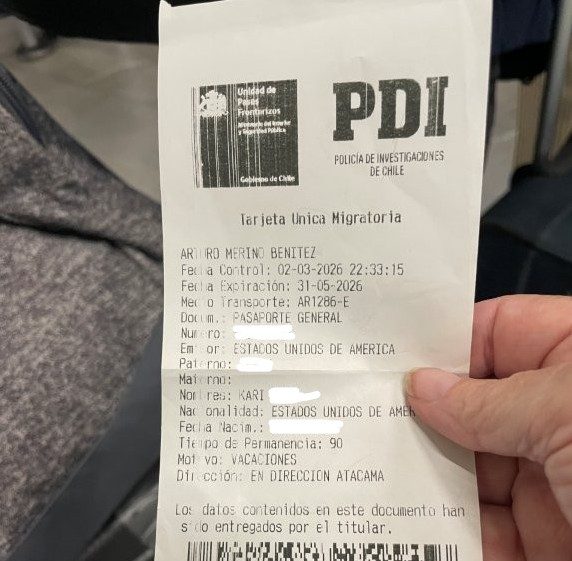
PDI Immigration Document
When you enter Chile, you receive an immigration/tourist document that you need to keep until you leave the country. It’s called the PDI. Take a photo of it immediately and then put the paper somewhere safe.
Declare Food When Entering Chile
Chile has strict agricultural controls.
Animal and plant products need to be declared to SAG, Chile’s Agricultural and Livestock Service. Failing to declare something can result in confiscation and significant fines. Chile’s guidance is very simple: When in doubt, declare it.
When we crossed the border by car, I made a list of all the food we had with us and put it all in a plastic bag so an officer could easily inspect it. The customs officer reviewed our list and waved us through.
Kari’s Travel Tip: Don’t try to decide for yourself whether your cheese, fruit, nuts or packaged food “counts.” Declare it and let the official decide.
Rapa Nui/Easter Island has additional entry requirements, including a separate entry form and limitations on how long visitors may stay. Check the current official requirements if Rapa Nui is part of your trip.
Register Your Trip With STEP
Bill & I always register our international travel with the US State Department’s Smart Traveler Enrollment Program, or STEP.
It’s free and allows the US Embassy to send alerts about situations happening where you’re traveling. We’ve received notices about protests and other issues during previous international trips, which allowed us to avoid affected areas.
Register Your Trip With STEP: https://mytravel.state.gov/s/step
US Embassy in Santiago
I always save US Embassy information in my phone before leaving home.
Hopefully we’ll never need it—but an emergency is not when I want to start Googling phone numbers.
US Embassy Santiago
Avenida Andrés Bello 2800
Las Condes
Santiago, Chile
Main telephone: +56-2-2330-3000
Emergency during business hours: +56-2-2330-3716
Emergency after hours: +56-2-2330-3000
Website: https://cl.usembassy.gov/
Vaccines and Health Requirements
Chile currently does not require vaccinations for travelers arriving from the United States. The CDC also does not recommend yellow fever vaccination for Chile.
That doesn’t mean you should ignore routine travel-health preparation. The CDC recommends travelers be current on routine vaccines and recommends Hepatitis A for unvaccinated travelers to Chile. Other recommendations depend on your age, health and travel plans.
The current State Department advisory also includes a health indicator related to Andes virus/Hantavirus, although the risk for most travelers is considered extremely low.
Kari’s Travel Tip: I always recommend talking with your own doctor before an international trip. Your personal medical history matters much more than a generic checklist on a travel blog.
Metric System in Chile
Chile uses the metric system, so distances are measured in kilometers, temperatures in Celsius, weight in kilograms and room sizes in square meters.
These are the conversions I find most useful:
Temperature: Celsius to Fahrenheit
- 0 C = 32 F
- 10 C = 50 F
- 15 C = 59 F
- 20 C = 68 F
- 25 C = 77 F
- 30 C = 86 F
- 40 C = 104 F
- Formula: C × 1.8 + 32 = F
Weight: Kilograms to Pounds
- 7 kg = 15.4 pounds
- 10 kg = 22 pounds
- 15 kg = 33 pounds
- 20 kg = 44 pounds
- 25 kg = 55 pounds
- 30 kg = 66 pounds
- 32 kg = about 70 pounds
- Formula: kg × 2.2 = pounds
This is especially helpful when checking baggage limits because international airlines may use kilogram limits that are different from what you normally see on US flights.
Distance: Kilometers to Miles
- 10 km = about 6 miles
- 50 km = about 30 miles
- 100 km = about 60 miles
- Quick mental calculation: km × .6 = miles
After four months traveling in South America, we eventually stopped converting everything and started thinking in kilometers. But it definitely took a while!
Chile Travel Guide FAQs
Can you visit Patagonia and the Atacama Desert on the same trip?
Absolutely, but don’t underestimate the distance between them. Chile is extremely long, so flying is the practical way to combine northern and southern Chile. We spent one week around Torres del Paine in Patagonia and later spent 17 days exploring the Atacama Desert, with flights and other South America stops between the two.
Do you need to rent a car in Chile?
No. Plenty of travelers use domestic flights, buses, transfers and organized tours. We chose to rent cars in both Patagonia and the Atacama Desert because we wanted the flexibility to stop for wildlife, photography and viewpoints whenever we wanted. Whether a rental car makes sense depends on where you’re going and how independently you like to travel.
How many days do you need in Chile?
There isn’t one right answer because Chile has so many very different regions. If you only have a week, I would concentrate on one area rather than trying to race from Patagonia to the Atacama and back. With more time, you can combine regions. We spent one week around Torres del Paine and 17 days in the Atacama Desert, but our slower travel style definitely isn’t the only way to experience Chile.
Can you travel in Chile without speaking Spanish?
Yes, but knowing a few basic Spanish words makes the trip much easier. We found that guides and people working directly with international travelers were more likely to speak English, while English was much less common in small towns and everyday businesses. Google Translate filled in plenty of gaps for us.
Conclusion: Is Chile Worth Visiting?
Absolutely—but the Chile you experience depends very much on which part of the country you choose.
Our time in Chile included some of the most dramatic contrasts of our four-month South America trip. In Patagonia, we drove through Torres del Paine with guanacos crossing the road, condors overhead, turquoise lakes, waterfalls and some of the strongest winds I’ve ever tried to walk through.
A few weeks later, we were in the Atacama Desert driving among volcanoes, flamingos, vicuñas, salt flats and high-altitude lagoons. At night, we stepped outside and looked up at thousands of stars and the Milky Way stretching across one of the darkest skies I’ve ever seen.
Those two experiences barely felt like they happened in the same country.
That’s exactly why Chile belongs on a Bucket List. You don’t have to see the entire country in one trip. Choose the region that speaks to you—or combine several if you have enough time—and let this Chile travel guide take care of the practical details so you can spend more time enjoying the experience.
More Chile Travel Guides
Here are some more posts about visiting Chile. If you’d like to receive emails when I’ve posted new content to the site, please complete the short form above.
Chile Travel Guide: What First-Time Visitors Need to Know
Visit the Atacama Desert: A Self-Drive Guide
Atacama Desert Tours: How to Explore It Without Driving
Atacama Desert Map: Explore The Desert, One Road At A Time
Atacama Desert Altitude – How To Keep It From Ruining Your Trip
Atacama Desert Night Sky: How to Experience the Stars
Atacama Desert Animals: What You Can See & Where
Where to Stay in the Atacama Desert: My Top Hotel Picks for Every Budget
Our Torres del Paine and Chilean Patagonia guides will be added soon!