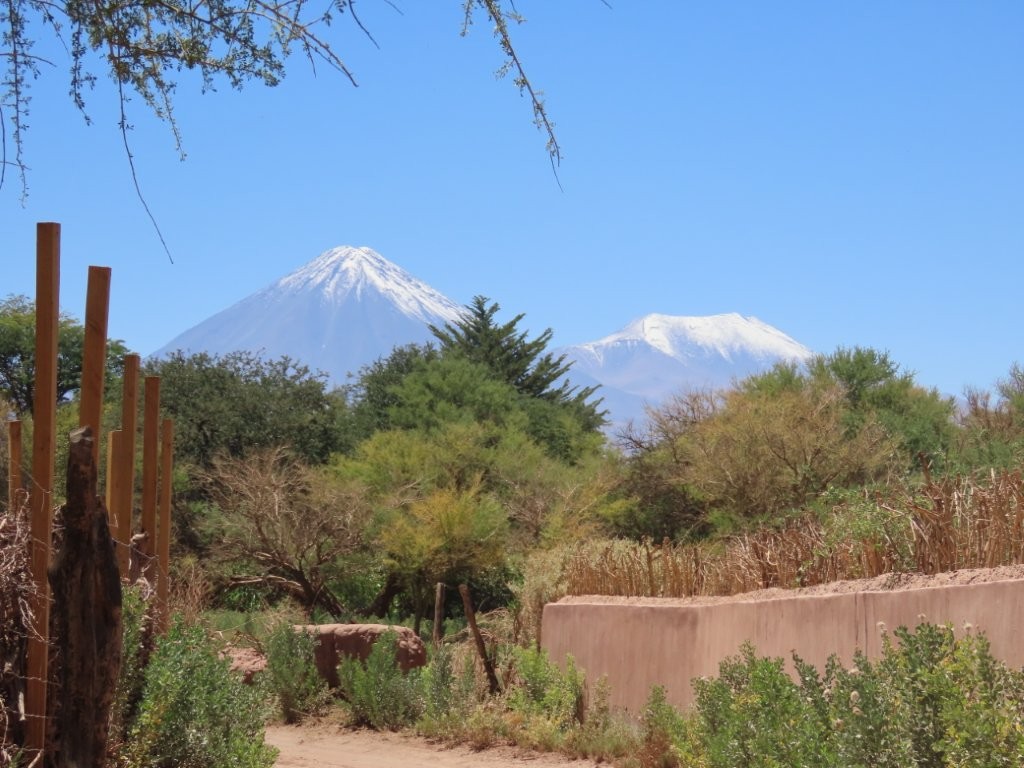
Altitude is one of the most important things to understand before visiting the Atacama Desert in northern Chile. Not because it should scare you away, but because it can really affect how you plan your days. The Atacama is the highest non-polar desert in the world.
Most travelers stay in the town of San Pedro de Atacama, which sits at about 2,407 meters (7,897 feet) above sea level. That is high enough for some people to feel a little off. But the bigger surprise is that many of the most popular Atacama day trips climb much higher, often into the 11,000 to 14,000+ foot range.
Bill and I stayed longer than most travelers — 17 days! — which gave us the flexibility to rest between excursions and pay attention to how different elevations affected us.
Plan Smart in regards to the Atacama Desert altitude: start with lower-elevation days, move slower than usual, and give your body time to adjust before tackling the highest-altitude excursions.

Why Atacama Altitude Can Sneak Up on You
One reason Atacama Desert altitude surprises travelers is that the destination does not always feel like a “mountain” trip.
You fly into Calama, travel through the open desert, and arrive in San Pedro de Atacama — a dusty little town filled with restaurants, tour companies, souvenir shops, adobe buildings, and backpackers. You may walk around town, get groceries, go out to dinner, and feel mostly fine.
Then you start taking day trips.
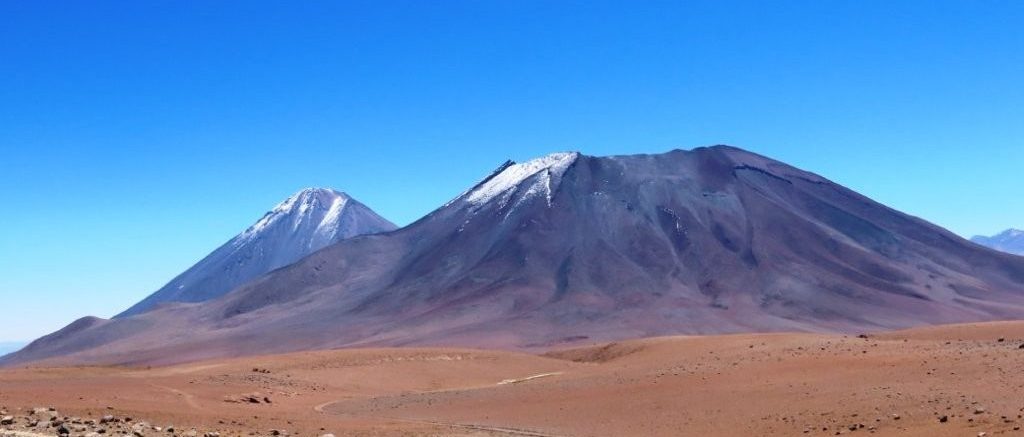
That is when the elevation changes fast. One day you may be exploring rock formations near town. Another day you may be heading toward flamingo-filled wetlands, high-altitude lagoons, geysers, or volcano views. The scenery changes constantly, and so does the altitude.
Even short walks can feel harder than expected. Stopping for photos may take more effort than expected. Standing at a viewpoint for a while can suddenly make you realize you are breathing harder than normal.
That does not mean you should avoid the higher-elevation areas. Some of the most beautiful scenery we saw in Atacama was high above San Pedro. It just means altitude should be part of your planning from the beginning, not something you think about after you already feel lousy.

PLAN YOUR TRIP WITH OUR
FAVORITE TOOLS
– Best Lodging site: Booking.com
– Book Day Tours here: Viator.com
– Rent Cars here: DiscoverCars.com
What the Altitude Felt Like for Us
Bill felt the altitude more than I did, especially on our higher-elevation drives. Around San Pedro, we managed fine as long as we kept things low-key. But once we climbed above 10,000 feet, his energy dropped quickly.
On those days, we adjusted instead of pushing through. Bill sometimes stayed in the car while I got out to take photos of scenery and wildlife. That worked well for us because many of the best views were right from the road or a short distance from the car.
The hardest part was how unpredictable it felt. We might feel okay at one stop and then feel noticeably more tired at the next, even if we had not done much walking. That made us more cautious about how long we stayed at high elevations. And as we descended back toward town at the end of the day, we could definitely feel the relief!
We also learned that downtime mattered. Most travelers will not stay in Atacama as long as we did, but even a slower morning, an easier afternoon, or a low-key day between bigger excursions can make the trip feel much more enjoyable.
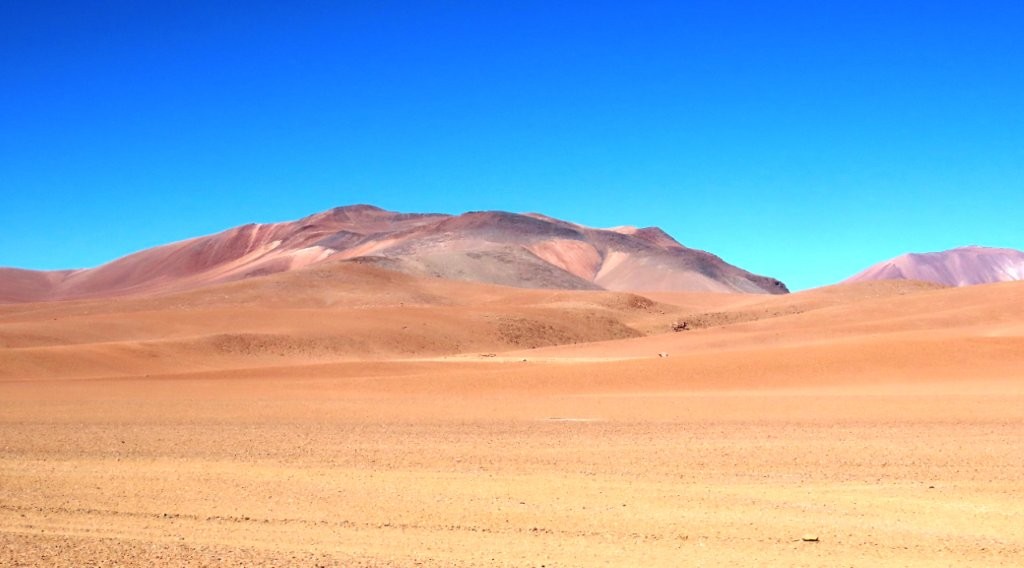
Atacama Desert Altitude Ladder
The easiest way to plan your Atacama itinerary is to think in terms of altitude. Instead of only asking, “What are the top things to do?” also ask, “Which days are lower, and which days are higher?”
That matters because not all Atacama day trips feel the same. Some places are close to San Pedro and easier to do early in your visit. Others climb thousands of feet higher and may feel much more demanding, even if the walking is minimal.
This table gives you a helpful sense of how dramatically elevations change around the Atacama Desert. Altitudes are approximate and can vary depending on where you are standing, driving, or hiking.
| Altitude Level | Destination | Altitude | Best Timing |
| Lower | Calama Airport | 7,414 feet | Arrival / Departure day |
| Lower | San Pedro de Atacama | 7,897 feet | Arrival day / base |
| Lower | Laguna Chaxa | 7,545 feet | First 1–2 days |
| Lower | Valle de la Luna (Valley of the Moon) | 8,202 feet | First 1–2 days |
| Moderate | Valle del Arcoíris (Rainbow Valley) | 9,842 feet | After you feel settled |
| High | Machuca Wetlands | 13,123 feet | After easier first days |
| High | Laguna Miscanti & Laguna Miñiques | 13,450 feet | Once you know how you feel |
| High | Piedras Rojas (Red Rocks) | 13,780 feet | After some acclimating |
| High | El Tatio Geysers | 14,170 feet | Later in your stay |
| High | Vado Río Putana | 14,435 feet | Later in your trip |
| Very High | Ruta 27 Lagoons and Viewpoints | 15,813 feet | Best after acclimating |
This does not mean you have to follow a strict schedule. Weather, road conditions, tickets, and tour availability may all affect your plans.
Use it as a guide for pacing, especially if you are only in Atacama for a few days. We definitely planned our activities and day trips to start lower and work towards higher later in our trip.
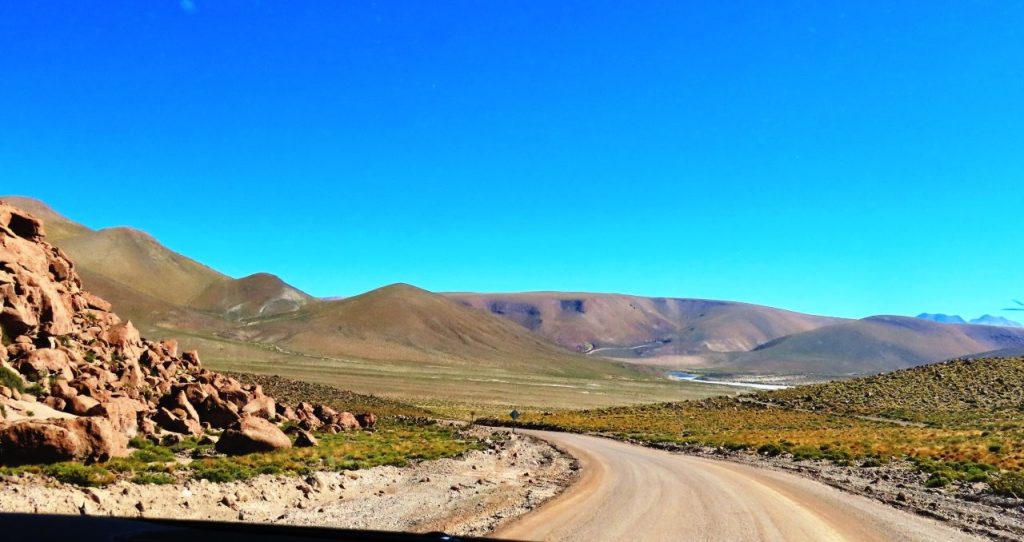

How to Plan Your First 24–48 Hours in the Atacama Desert
Your first day or two in the Atacama Desert should be about easing in, not proving how much you can squeeze into your itinerary.
Here’s how I’d think about the first 24–48 hours:
- Arrival day: Keep it simple. Travel from Calama, check in, drink water, and get settled.
- First evening: Stay close to your accommodation or have an easy dinner in town. This is not the night to overdo it.
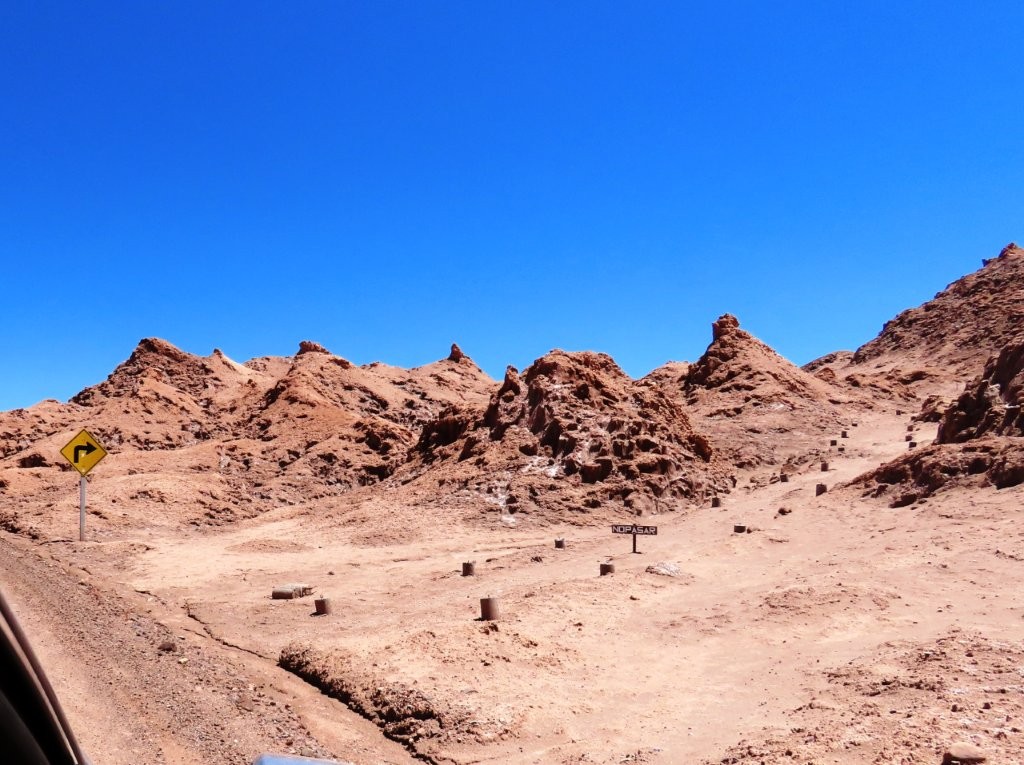
- First full day: Choose a lower-altitude activity close to San Pedro, such as Valley of the Moon or Laguna Chaxa.
- Errand time: Use your first day to get groceries, water, gas, and cash so you are ready for longer excursions later.
- First bigger outing: Once you know how you are feeling, start adding more ambitious day trips.
- Flexible backup plan: If you feel tired, headachy, or just off, make the day easier. Atacama will still be there tomorrow.
Kari’s Travel Tip: We used our first couple of days to recover from travel, get groceries, figure out parking in San Pedro, and start with easier nearby sights. That slower start helped us enjoy the bigger excursions later.
How to Minimize Altitude Effects in Atacama
You can’t control exactly how your body will react to altitude, but you can make smarter choices so you don’t make things harder on yourself.
This is travel planning advice based on our experience, and is not medical advice. If you have heart or lung issues, a history of altitude sickness, or specific health concerns, talk with your doctor before your trip.
- Take it slow. Even after the first couple of days, move slower than normal at higher viewpoints, scenic stops, and short trails. This is not the place to rush from stop to stop.
- Drink more water than usual. Between the dry desert air and higher elevation, it is easy to get dehydrated without realizing it. We kept water with us everywhere.
- Pace your walks and viewpoints. Even if a stop looks easy, take breaks, pause before climbing, and turn around if your body is telling you it has had enough.
- Limit alcohol at first. Alcohol can contribute to dehydration and may make altitude symptoms feel worse. Give your body a chance to adjust before having that celebratory pisco sour.
- Eat lighter meals. Heavy meals can make you feel sluggish. Simple meals and snacks were easier for us on bigger excursion days.
- Try coca tea if available. Our accommodation provided coca tea, and Bill made it part of his daily routine while we were there. I wouldn’t treat it like magic, but many travelers and locals in high-altitude areas of South America use it as a traditional remedy.
- Let someone sit one out. If one person in your group feels worse than the others, it is okay for them to stay in the car, skip a short walk, or enjoy the view from a closer viewpoint. Bill did this several times, and it helped us keep enjoying the day without pushing too hard.
- Change plans if you need to. If you feel lightheaded, exhausted, or just “off,” turn around, shorten the stop, or move that excursion to another day.
Kari’s Travel Tip: The goal is not to “beat” the altitude. The goal is to enjoy Atacama without making yourself miserable. Go slower than you think you need to, especially once you start climbing into the higher-elevation areas.
When a Tour Might Make Altitude Days Easier
Some Atacama excursions may simply feel easier with a tour, especially when altitude, early starts, long distances, and limited services are part of the equation.
If you are not sure how your body will respond, it can be nice to let someone else manage the timing, route, tickets, driving, and logistics while you focus on the experience.
A tour may be the smarter choice if:
- You are worried about how altitude will affect you.
- You do not want to manage driving and navigation while feeling tired or lightheaded.
- You are planning a very early excursion, such as El Tatio Geysers.
- You are traveling solo or do not want to drive remote desert roads.
- You want a guide to explain the landscapes, wildlife, geology, or culture along the way.
- You would rather focus on the experience instead of the logistics.
This is especially worth considering for higher-altitude excursions like El Tatio Geysers, Piedras Rojas, the Altiplano Lagoons, or other long day trips from San Pedro de Atacama.
For readers who would rather not manage a high-altitude day on their own, I include several recommended tour options in my Atacama Desert Tours Guide.
Final Thoughts on the Atacama Desert Altitude
Atacama Desert altitude should shape your itinerary, but it should not scare you away.
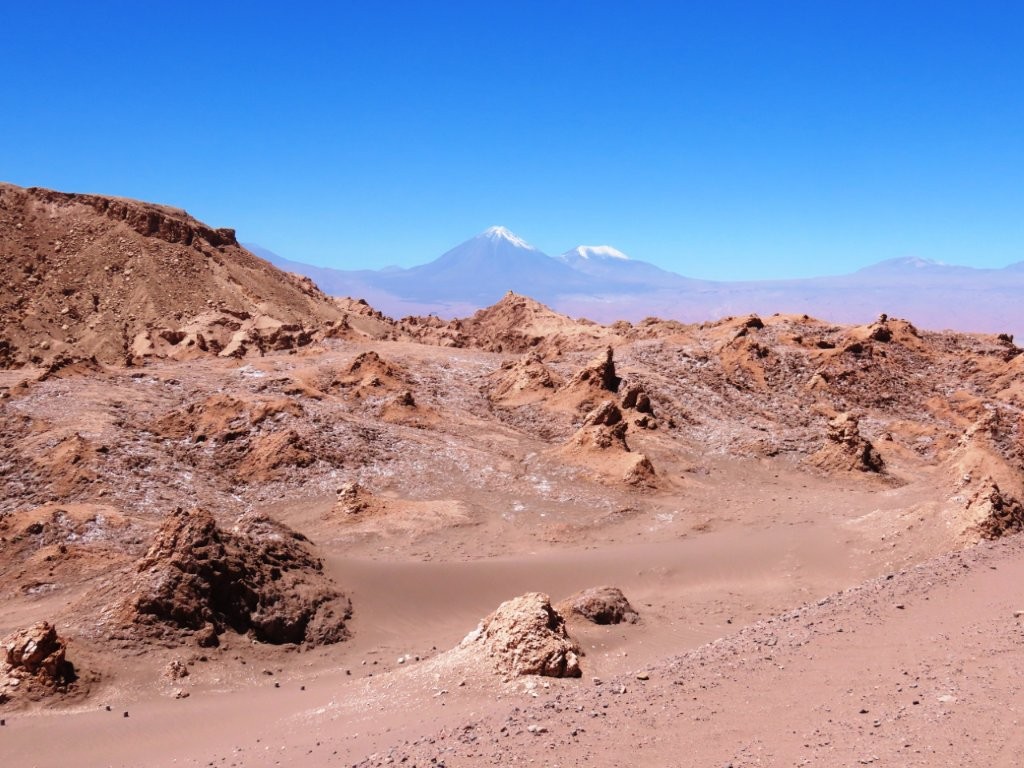
The landscapes, wildlife, night skies, salt flats, lagoons, volcano views, and desert roads are totally worth experiencing. The key is giving yourself enough time and flexibility to adjust.
Start with reasonable first days. Drink more water than usual. Move slower at higher elevations. Build in rest where you can.
That simple strategy can make the difference between feeling frustrated by the altitude and actually enjoying one of the most unforgettable desert landscapes in the world.
More Atacama Desert Travel Guides
Here are some more guides about visiting the Atacama Desert and Chile. If you’d like to receive emails when I’ve posted new content to the site, please complete the short form above.
Visit the Atacama Desert: A Self-Drive Guide
Atacama Desert Tours: How to Explore It Without Driving
Atacama Desert Map: Explore The Desert, One Road At A Time
Atacama Desert Altitude – How To Keep It From Ruining Your Trip
Atacama Desert Night Sky: How to Experience the Stars
Atacama Desert Animals: What You Can See & Where
Where to Stay in the Atacama Desert: My Top Hotel Picks for Every Budget
Day Trip #1 – West: Valle De La Luna Atacama + Magic Bus + Ckari Sunset
Day Trip #2 – South: Laguna Chaxa Flamingos + Valle de Jere
Day Trip #3 – Northwest: Rainbow Valley Atacama + Petroglifos Yerbas Buenas
Day Trip #4 – North: Machuca Wetlands + Vado Rio Putana
Day Trip #5 – East: Ruta de los Salares
