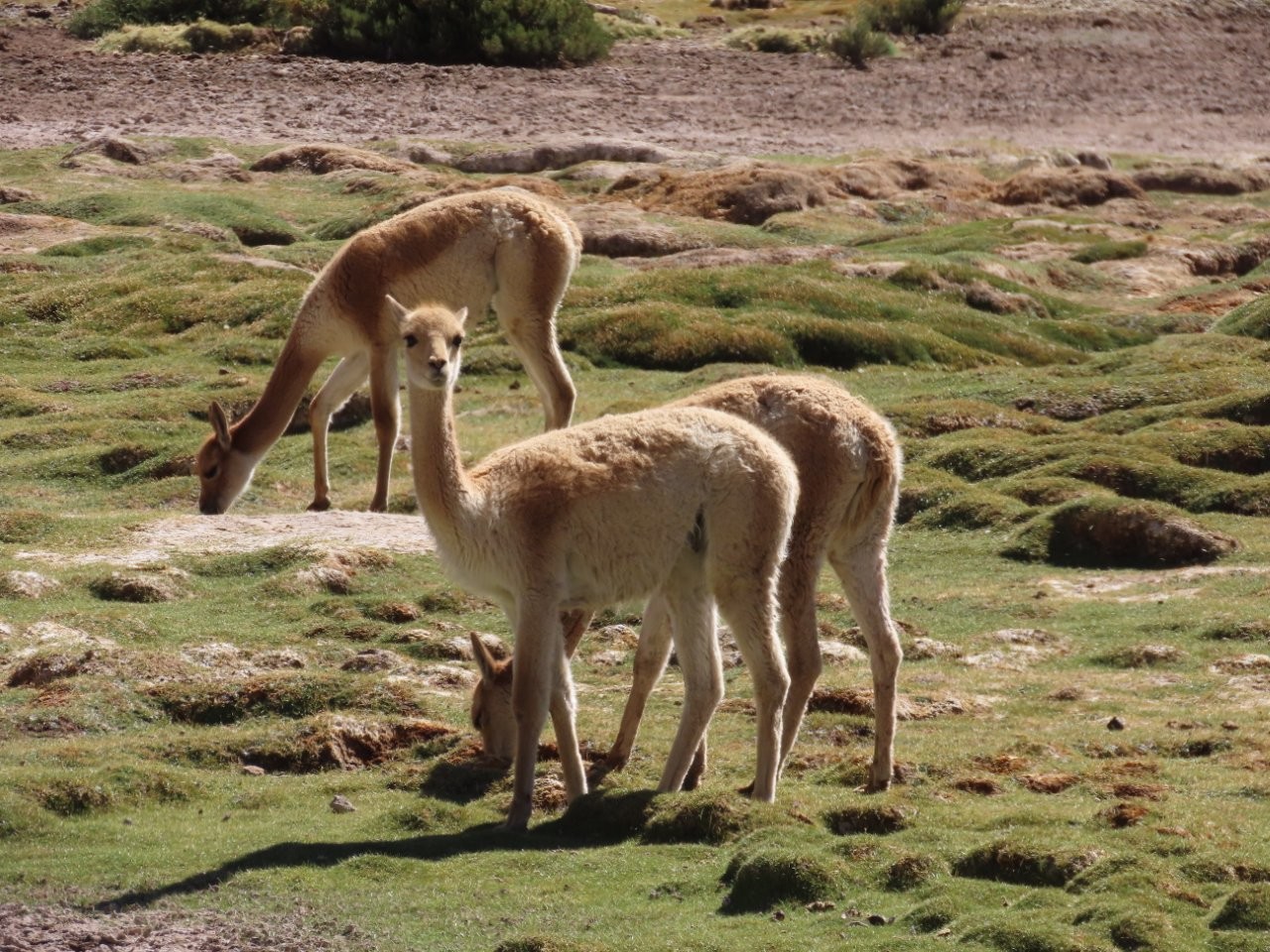
We skipped the geysers and drove Chile’s B-245 in search of wildlife. Flamingos, vicuñas, wild donkeys, and bright green wetlands made this one of our best Atacama drives.
We followed the road toward El Tatio for the wildlife instead of the geysers—and found one of our best wildlife days in the Atacama.
Machuca Wetlands had been on my list because we kept hearing it was one of the best places near San Pedro de Atacama for birds and wildlife. Since Bill and I had already spent several days easing into higher elevations, this felt like the right time to head north on B-245.
This drive is about slowing down. We stopped for flamingos, our first vicuñas, wild donkeys, and birds we never would have noticed from a tour bus. I’ll show you where we stopped, what the road was like, and how far I’d drive if wildlife—not the geysers—is your priority.
Quick Overview
- Driving time: About 2 hours round trip from San Pedro to Vado Rio Putana, not including stops
- Total time: 5-6 hours because we stopped a lot for wildlife photos
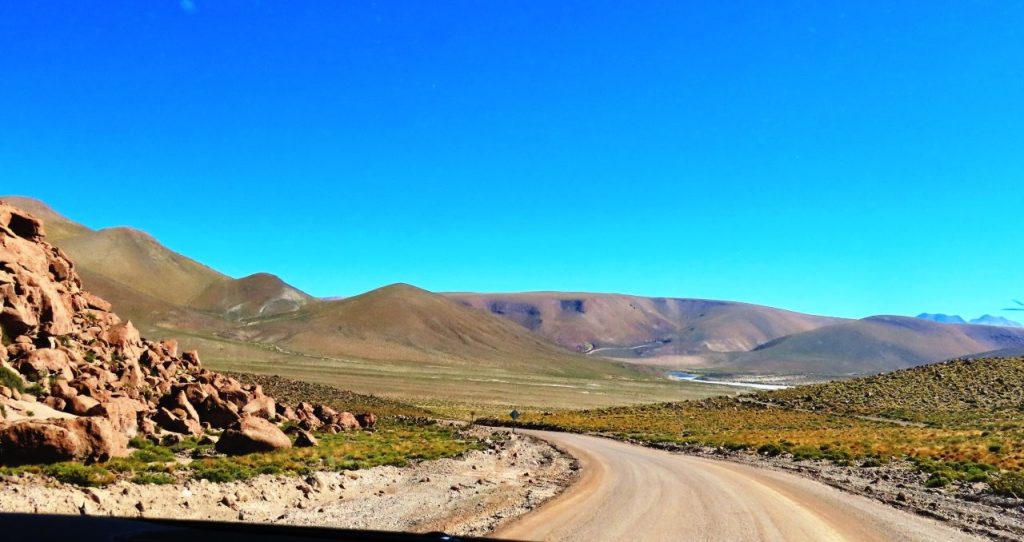
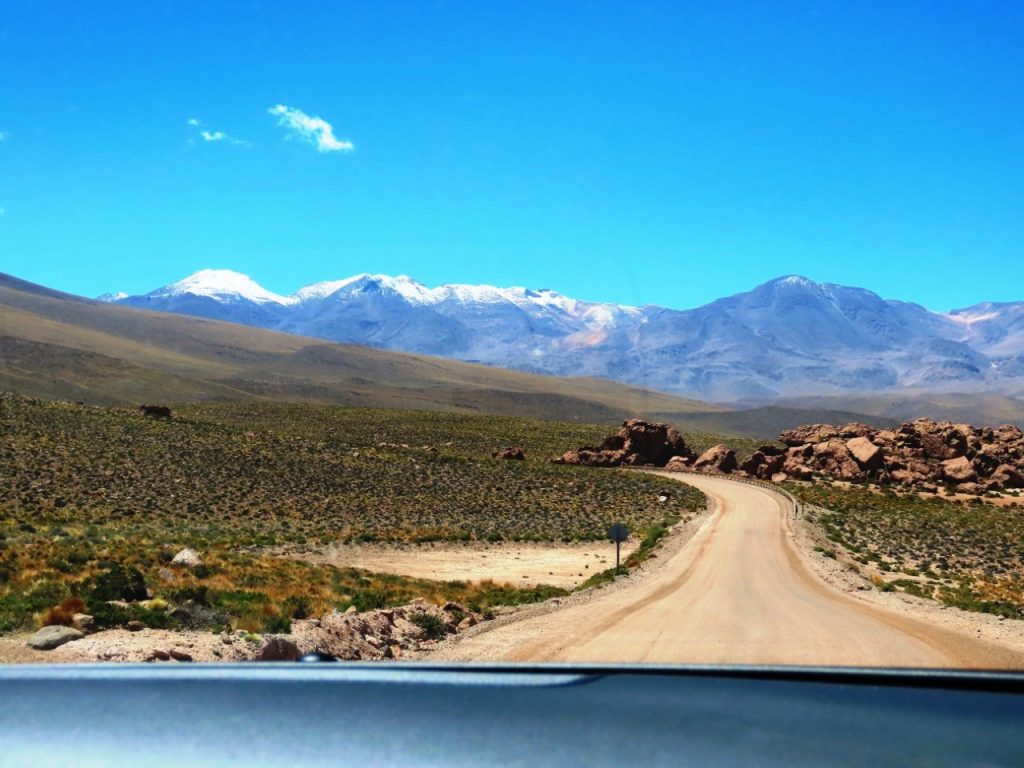
- Road conditions: A mix of paved and unpaved sections on B-245, with some rough stretches, curves, and switchbacks.
- Highest elevation: About 14,700 feet / 4,500 meters at Vado Río Putana
- Admission required:
- None unless you go all the way to the El Tatio Geysers
- Best for:
- Birding and wildlife
- High-altitude wetlands and roadside wildlife stops
- Travelers who want to stop whenever something appears beside the road
Three Ways to Plan This Drive
Option 1: Wildlife Drive to Machuca Wetlands and Vado Río Putana
The route we drove. We stopped at Flamingos Lagoon, Mirador de Machuca, the Machuca Wetlands, the village of Machuca, and Vado Río Putana.
The driving itself takes about two hours round trip from San Pedro de Atacama, but we spent five to six hours because we kept stopping for birds, vicuñas, and photos. This is the best option if wildlife is your priority and you do not want to drive all the way to El Tatio.
Option 2: El Tatio Geysers at Sunrise, Then Wildlife Stops
This is the route most paid tours to El Tatio follow.
You can leave San Pedro de Atacama very early (4-5:00 AM), visit El Tatio while the geysers are most active at sunrise, and then stop at Vado Río Putana, Machuca Wetlands, or Flamingos Lagoon on the return drive.
The advantage of driving yourself is that you can stop more than once and stay longer. The disadvantage is that you have to drive B-245 in the early morning dark at high elevation. Total drive time is about 3 hours.
Option 3: Wildlife Stops First, Then Continue to El Tatio
You can also stop at Flamingos Lagoon, Machuca Wetlands, and Vado Río Putana first, then continue to El Tatio later in the morning.
You will still see the geothermal field and the surrounding landscape, but my understanding is that the strongest geyser activity is very early in the morning. I would choose this option for the scenery rather than the full sunrise geyser experience.
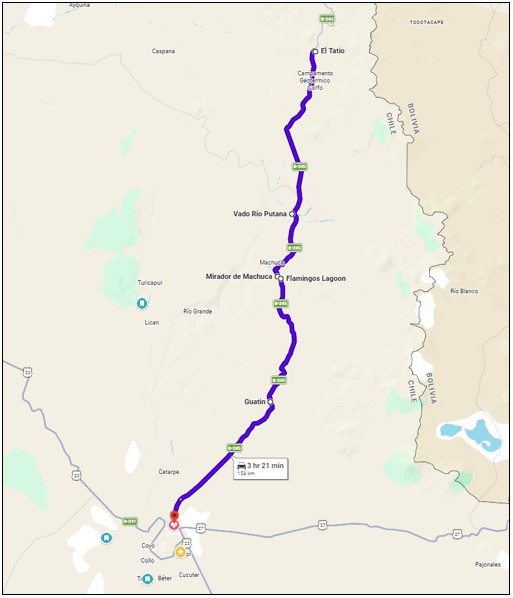

Google Maps Stops
Enter these stops in order:
- San Pedro de Atacama
- Guatín
- Flamingos Lagoon
- Mirador de Machuca
- Vado Río Putana
- Optional: El Tatio
- San Pedro de Atacama
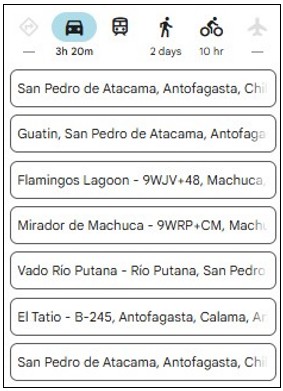
Download the route before leaving town and save screenshots to your phone. Cell service disappears frequently, and this is not a drive where I would rely on being able to reload directions.
We rented our SUV through DiscoverCars.com and appreciated being able to compare prices and vehicle options before our trip.
Driving Notes for Machuca Wetlands
I would only attempt this higher elevation drive after doing some lower altitude drives first. We drove Valle de la Luna, Laguna Chaxa and Rainbow Valley before trying this one.
- San Pedro de Atacama to Flamingos Lagoon: Start at B-245 in San Pedro and drive north. When you reach Guatín, veer left to remain on B-245. It feels like you should continue straight, so watch the map carefully. About 50 minutes
- Flamingos Lagoon to Mirador de Machuca: About 1-2 minutes – they are right next to each other, but there are two separate parking lots. We spent time in both of them.
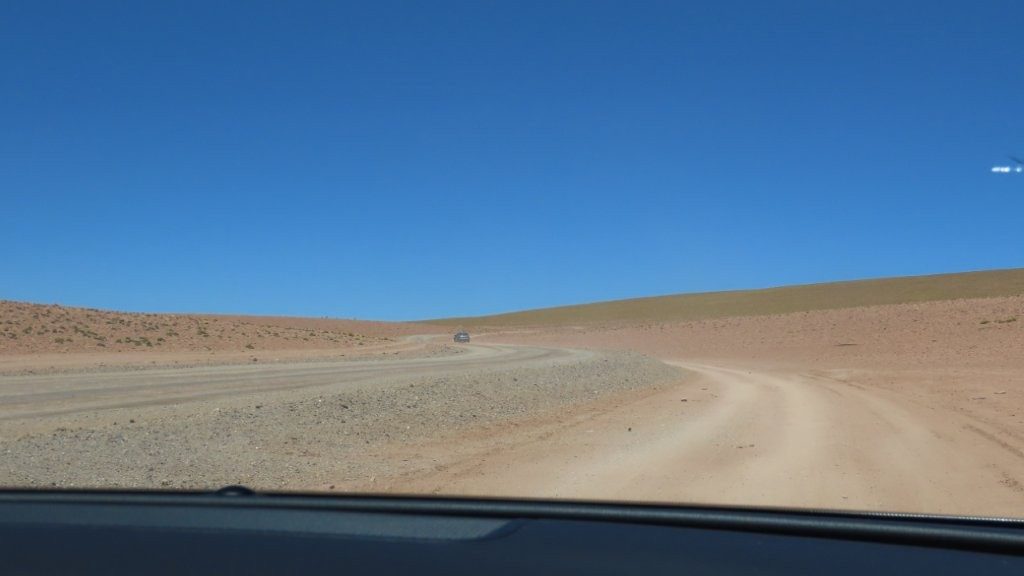
- Mirador de Machuca to Vado Rio Putana: Google Maps estimates about 16 minutes, but I would allow 20–30 minutes because this stretch is bumpier and includes several switchbacks. Our friend Stephanie had warned us about the rougher road, so we used the smoother side road running to the right of B-245.
- Vado Rio Putana back to San Pedro de Atacama: About an hour
- Optional: Vado Rio Putana to El Tatio Geyser Fields: About 35 minutes
- Optional: El Tatio Geyser Fields back to San Pedro de Atacama: About 1 hour, 40 minutes
Tickets & Reservations
None needed for these roadside stops. You only have to buy tickets if you go all the way to the El Tatio Geysers.
Our Experience Driving to Machuca Wetlands & Vado Rio Putana
The Wetlands Appeared Fast
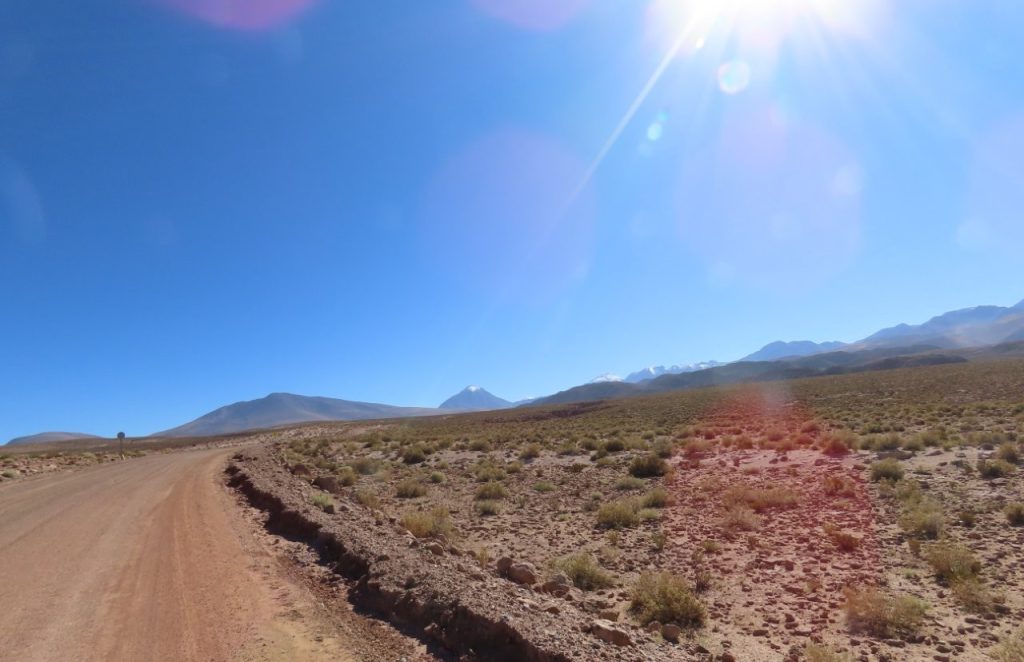
We started in the dry, rocky landscape we had come to expect around San Pedro. Then the first wetlands appeared, and the whole drive changed.
After miles of brown and red desert, the bright green wetlands looked almost unreal. That was the moment the day shifted from scenic drive to wildlife drive.
Flamingos Lagoon
The first stop, Flamingos Lagoon, sits at roughly 4,000 meters or 13,123 feet.
We saw Chilean, Andean, and James’s flamingos there. It was the only place during our Atacama Desert stay where we saw all three species in the same location.
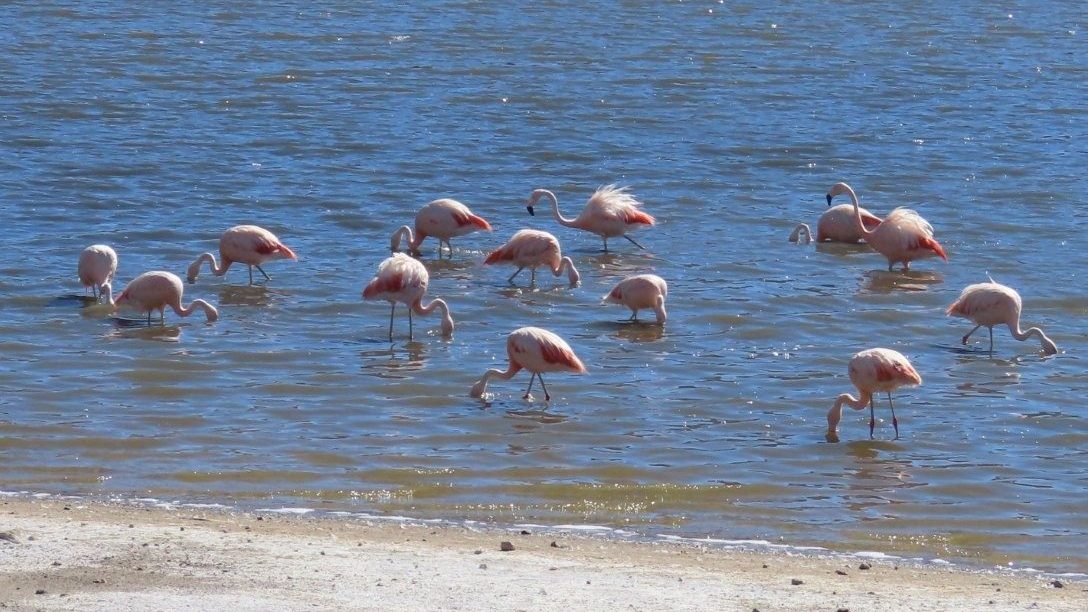
I was amazed at how different they looked once I learned what to watch for. Before this trip, I did not know the Atacama was home to three different flamingo species. If you’re curious how to tell them apart—or want to identify the other birds and mammals we saw—my Atacama Desert Animals guide makes it surprisingly easy.
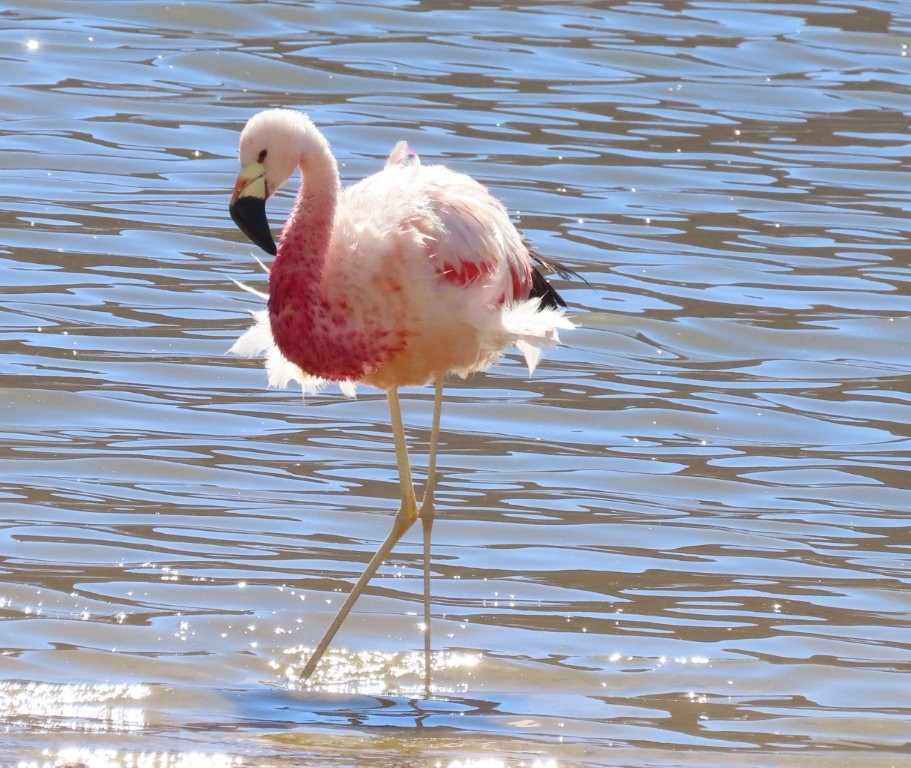
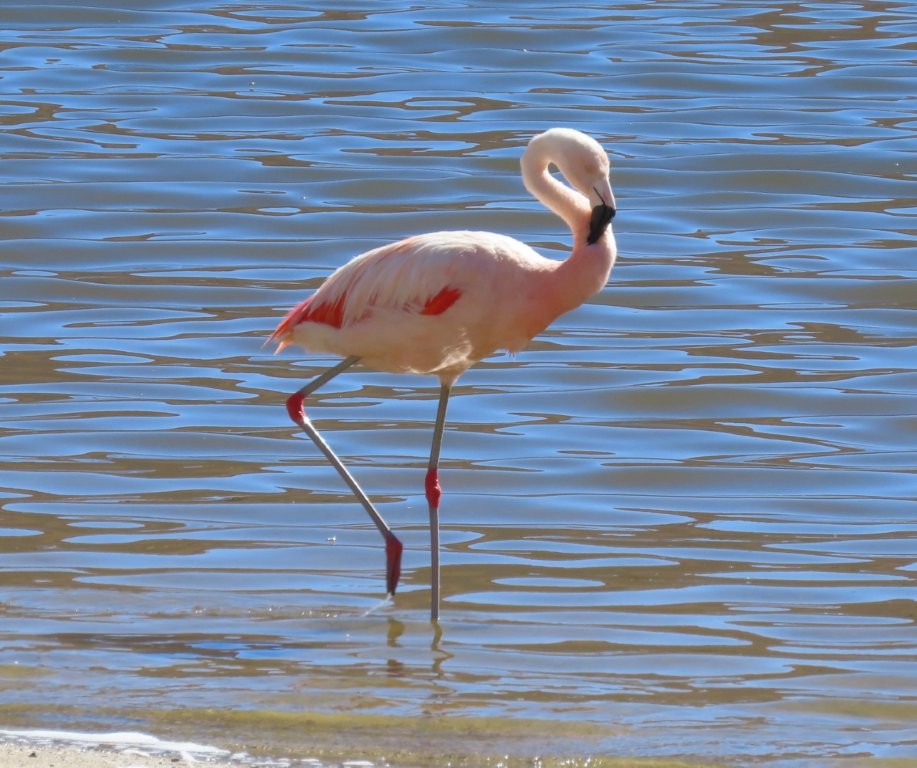
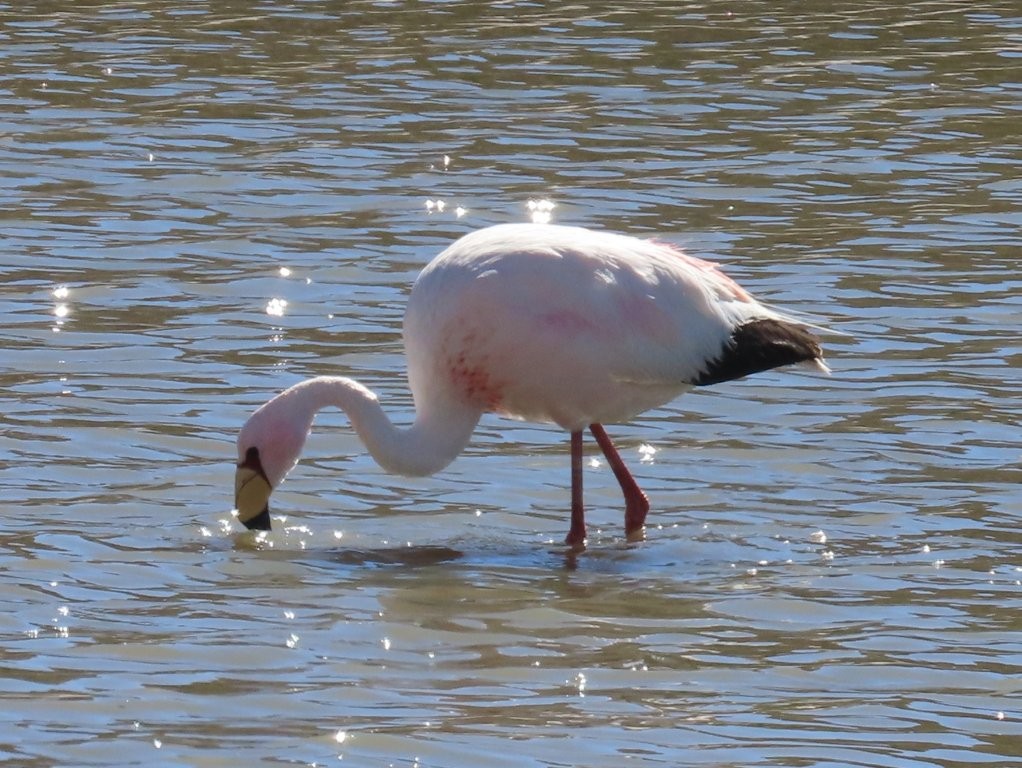
I had already seen flamingos at Laguna Chaxa and in other parts of South America during our four-month trip, but this felt completely different. There were fewer people, a much wilder setting, and several other bird species around the water.
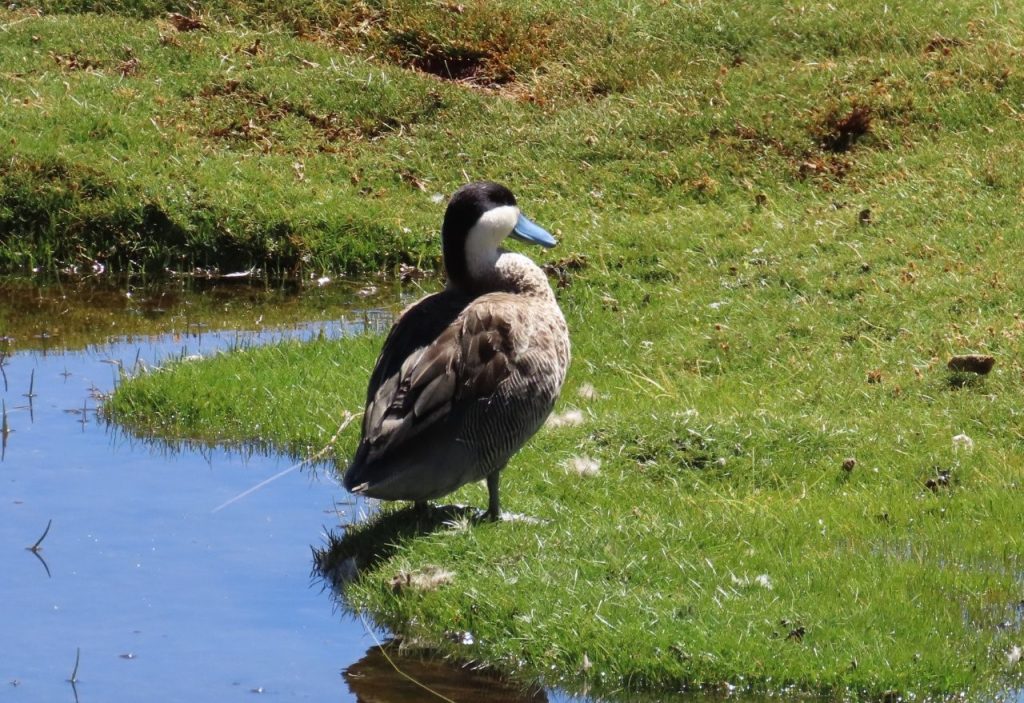
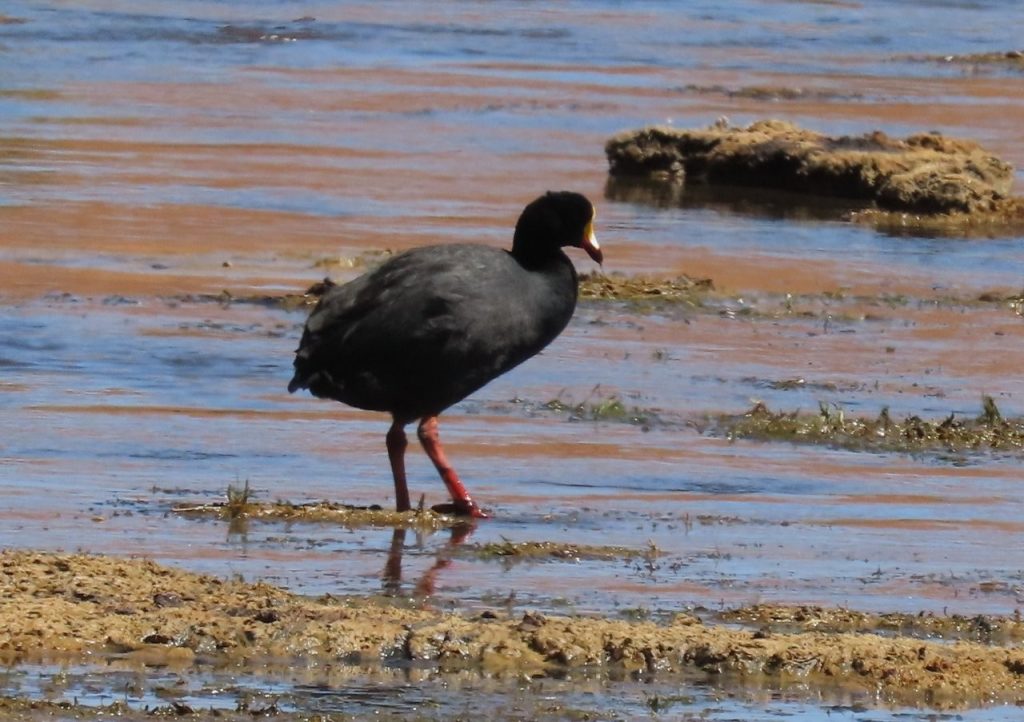
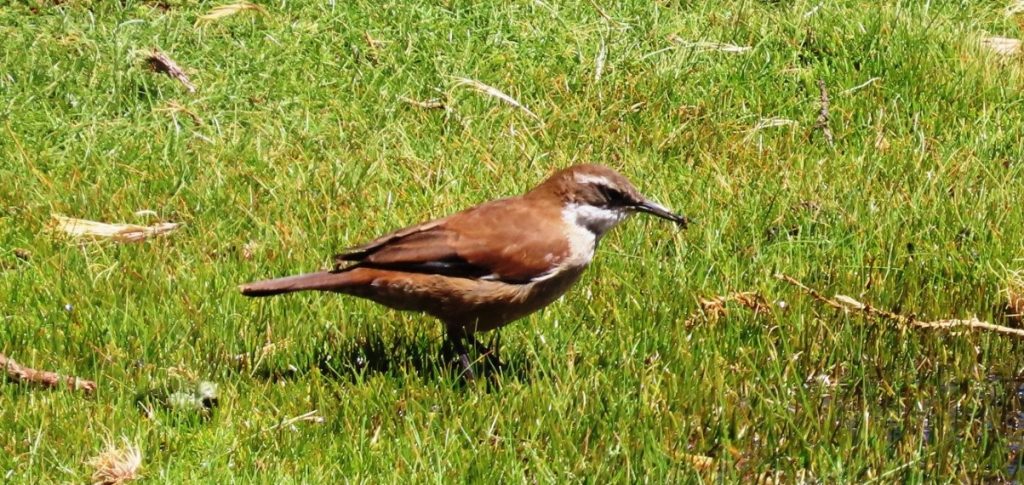
We also saw Andean avocets, horned coots, crested ducks, silvery grebes, and other high-altitude birds.

PLAN YOUR TRIP WITH OUR
FAVORITE TOOLS
– Best Lodging site: Booking.com
– Book Day Tours here: Viator.com
– Rent Cars here: DiscoverCars.com
Machuca Wetlands
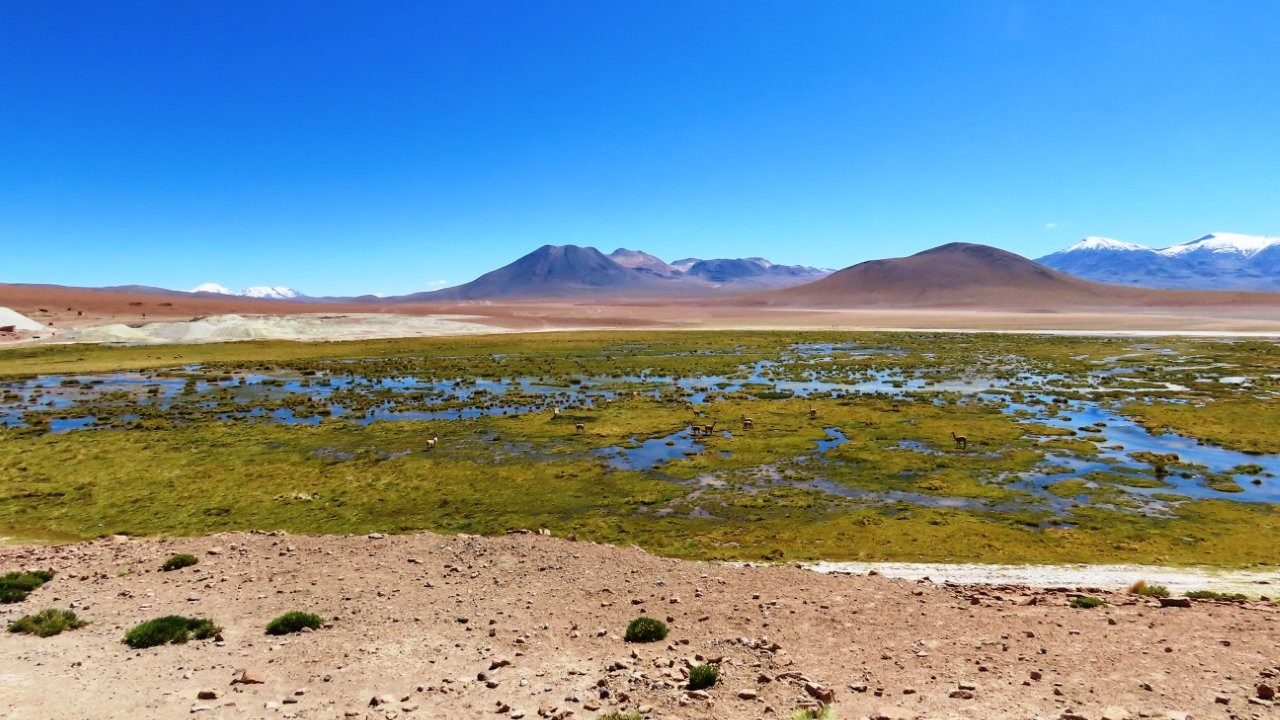
Just beyond the Flamingos Lagoon, the Machuca Wetlands spread across a much larger area.
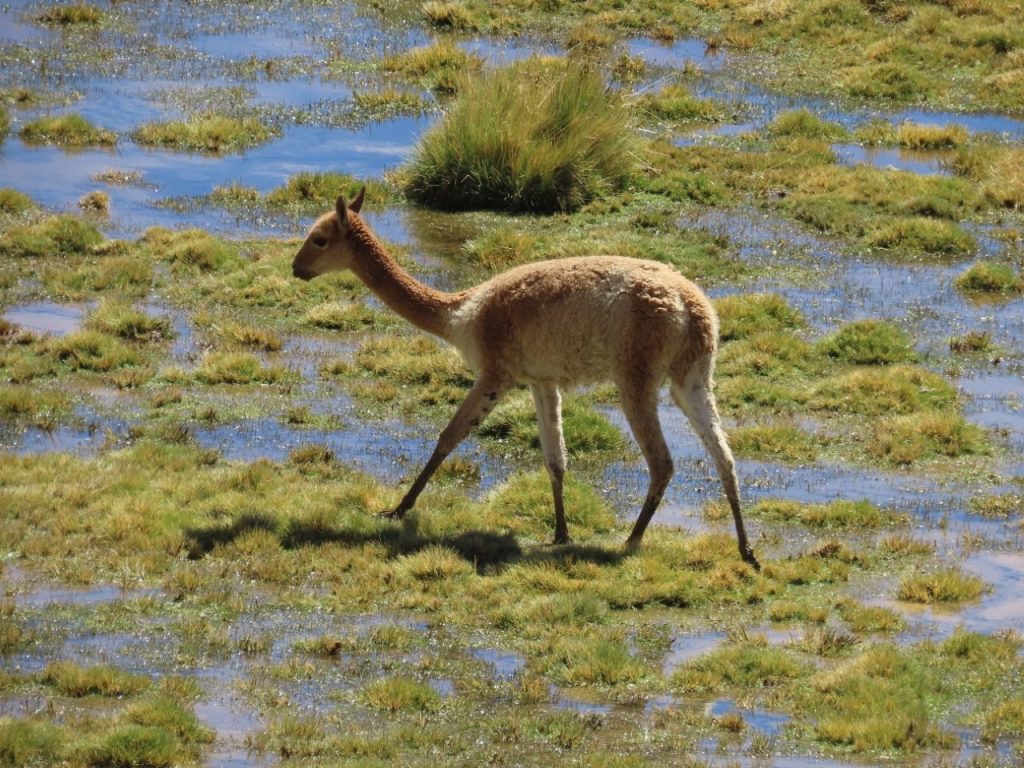
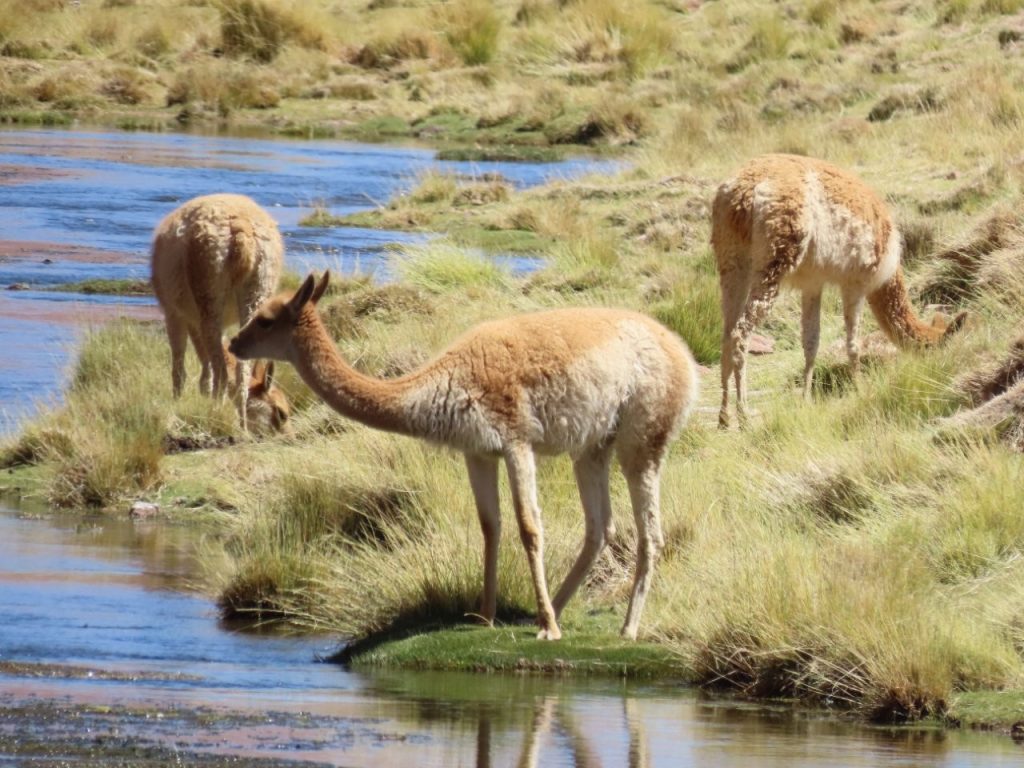
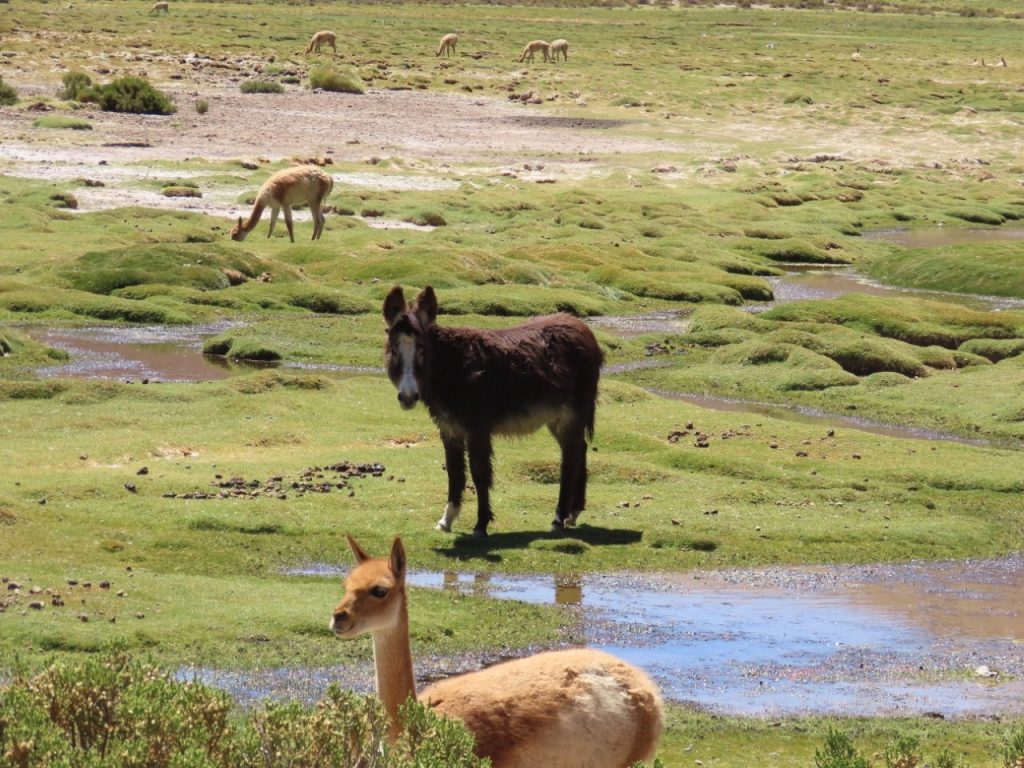
At the mirador (viewpoint) was where we saw our first vicuñas. We had been watching for them as we climbed because vicuñas live at higher elevations than the guanacos we had seen elsewhere in the desert. They are smaller and lighter in color than guanacos and llamas, and several were grazing in the bright green grass beside shallow pools of water.
Some were very close to the road. Others were scattered across the wetland, mixed in with birds and, unexpectedly, wild donkeys.
We parked, got out of the car and watched for a long time. Having our own car meant we could stay until we were ready to move on instead of taking a quick tour stop.
Vado Río Putana
Vado Río Putana was roughly 20–30 minutes farther, depending on the road conditions, and it felt more open and windswept than Machuca.
The viewpoint is right beside the road, so you do not need to hike or walk into the wetland along the Rio (river). The area is fragile, and there is no reason to get closer when the mirador viewpoint already gives you such a good view.
We saw more vicuñas and several birds, although the wildlife was more spread out than at Machuca Wetlands.
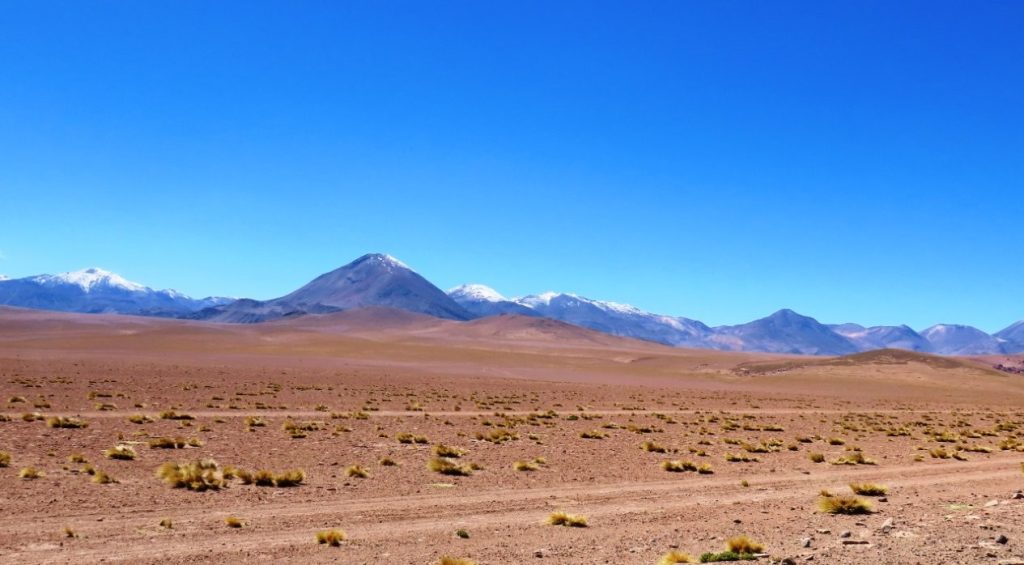
The setting was beautiful: green wetlands, shallow water, reddish hills, and open sky in every direction.
Thirteen New Life Birds
This turned into one of my best birding days of the trip.
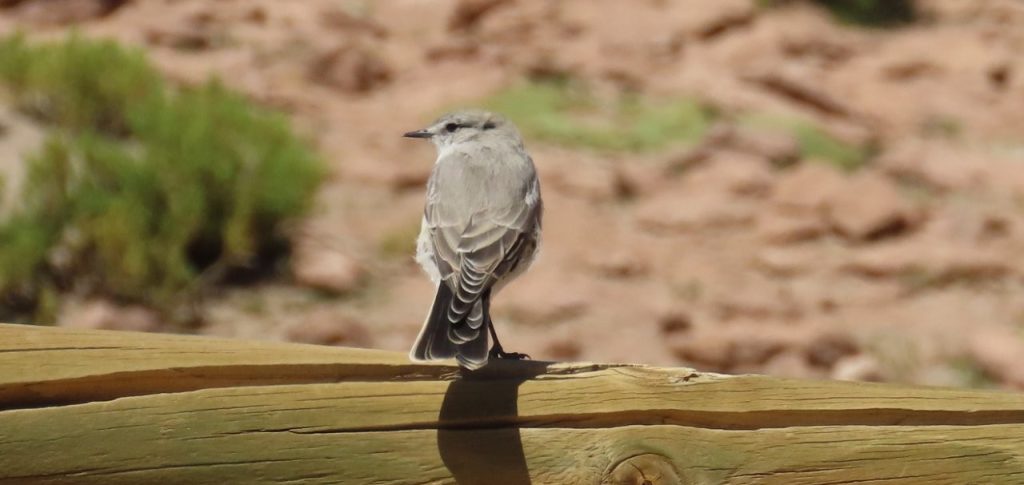
I recorded 13 new Life Birds that day, including James’s Flamingo, Giant Coot, Puna Teal, and several high-altitude species I had never seen before. Bird sightings will always vary, but this drive offered so much more than flamingos.
The Wild Donkeys
The Wild Donkeys were another surprise. We saw them standing in the wetlands near the vicuñas, looking completely at home among the streams and green grass.
It was not a scene I expected to find this high in the Atacama.
The Elevation Is Worth Respecting
We did not do any real hiking on this drive, but the stops sit high enough that it is worth paying attention to how you feel. We moved slowly, kept the day flexible, and were glad we had worked up to this drive gradually.
If you’re still planning your itinerary, my Atacama Desert Altitude guide explains why I would not make this your first big day trip.
Once you’ve completed this drive and feel comfortable at higher elevations, Ruta de los Salares makes an excellent next step.
Kari’s Tips for This Drive
- Download Google Maps before leaving Wi-Fi, then save screenshots of both the full route and the zoomed-in roads.
- Always fill your gas tank before leaving San Pedro de Atacama.
- Veer left at Guatín to remain on B-245, even though it feels like you should go straight ahead. If someone besides the driver is helping with navigation on Google Maps, it will help you avoid making mistakes.
- Slow down through the rough sections and tight curves, especially between Machuca and Vado Río Putana. Use the alternative side road if present
- Carry small Chilean bills or coins in case you want to use the restroom in the town of Machuca.
Would We Drive to Machuca Wetlands Again?
Yes. This was one of the best wildlife drives we did in the Atacama, and I would absolutely do it again after a few days of acclimating.
This was one of our best wildlife drives in the Atacama. We saw all three flamingo species in one place, added 13 new birds to my Life List, saw our first vicuñas, and passed through scenery that seemed to change every few minutes.
Having our own car gave us exactly what we wanted: time to stop, watch, and take photos whenever something moved beside the road.
When I’d Take a Tour Instead
I would take a paid tour if my main goal was to see the El Tatio geysers at sunrise.
That means leaving San Pedro de Atacama in the dark and driving a remote, winding road at high elevation before dawn. I would rather let someone else handle that part.
If I wanted to see the geysers at sunrise, I would book the Half Day Tour to El Tatio Geysers rather than drive B-245 in the dark.
- Why go: See El Tatio during the strongest early-morning activity without driving B-245 in the dark.
- Good to know: Tours usually leave very early, the temperature can be below freezing, and the entrance fee to the geysers may be separate.
- Why pick this tour: This is the stronger choice if you want the geysers at sunrise but do not want to deal with a dark, high-altitude drive.
More Atacama Desert Travel Guides
Here are some more guides about visiting the Atacama Desert and Chile. If you’d like to receive emails when I’ve posted new content to the site, please complete the short form above.
Visit the Atacama Desert: A Self-Drive Guide
Atacama Desert Tours: How to Explore It Without Driving
Atacama Desert Map: Explore The Desert, One Road At A Time
Atacama Desert Altitude – How To Keep It From Ruining Your Trip
Atacama Desert Night Sky: How to Experience the Stars
Atacama Desert Animals: What You Can See & Where
Where to Stay in the Atacama Desert: My Top Hotel Picks for Every Budget
Day Trip #1 – West: Valle De La Luna Atacama + Magic Bus + Ckari Sunset
Day Trip #2 – South: Laguna Chaxa Flamingos + Valle de Jere
Day Trip #3 – Northwest: Rainbow Valley Atacama + Petroglifos Yerbas Buenas
Day Trip #4 – North: Machuca Wetlands + Vado Rio Putana
Day Trip #5 – East: Ruta de los Salares
