A Galapagos cruise is not the only way to see the islands — here’s how to choose the travel style that fits your budget, pace, and Bucket List goals.
Trying to decide between a Galapagos liveaboard and a land-based trip is one of the biggest planning choices you’ll make. A cruise sounds easy and exciting, but it can be expensive and highly structured. A land-based trip gives you more freedom, but you’ll need to handle hotels, ferries, tours, and logistics yourself.
Bill did a Galapagos liveaboard before we met, and together, we spent 30 days island-hopping on a land-based trip. That gives us a helpful comparison point for what each style does well — and where each can feel limiting.
This guide will help you choose the option that fits your budget, pace, comfort level, and Bucket List goals, plus Bill’s honest verdict after experiencing both.
Quick Verdict: Galapagos Liveaboard vs Land-Based Trip
- Choose a Galapagos liveaboard if you want the easiest logistics, a set itinerary, and access to more remote islands.
- Choose a land-based Galapagos trip if you want more flexibility, more downtime, more control over your budget, and the chance to experience the island towns.
Neither option is automatically better. A Galapagos liveaboard is usually stronger for remote access and convenience, while a land-based trip is stronger for flexibility and local island time.
Kari’s Travel Tip: The right choice depends less on what other travelers say is “best” and more on how you like to travel. Think about your budget, pace, seasickness tolerance, and how much planning you want to do yourself.


PLAN YOUR TRIP WITH OUR
FAVORITE TOOLS
– Best Lodging site: Booking.com
– Book Day Tours here: Viator.com
– Rent Cars here: DiscoverCars.com
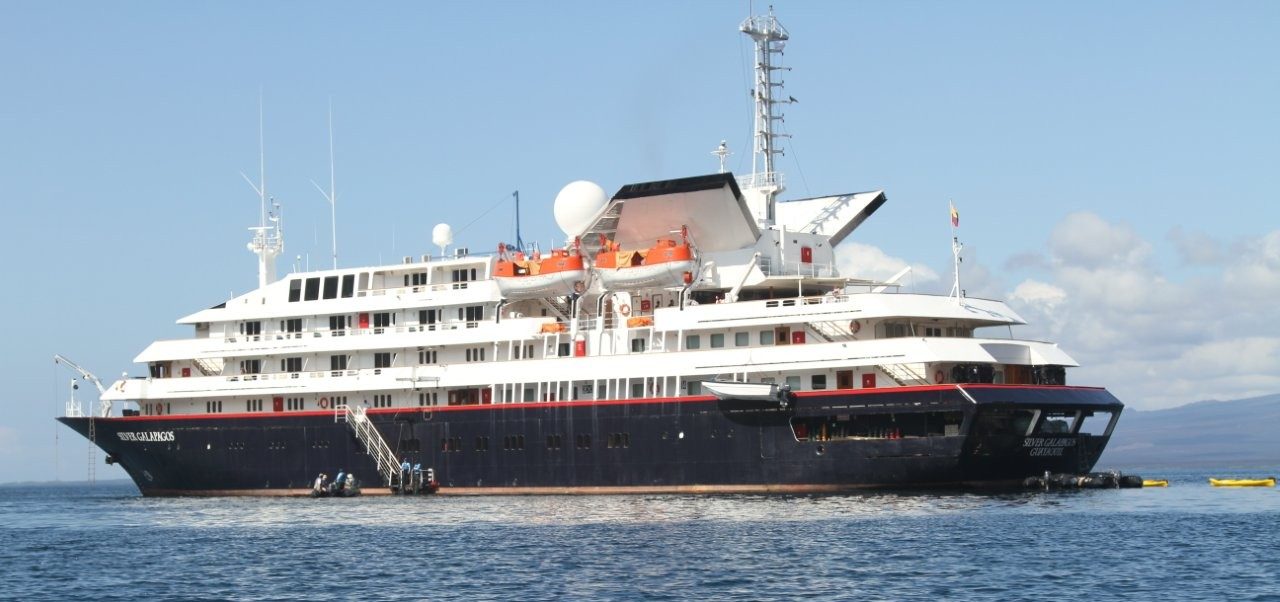
What Is a Galapagos Liveaboard?
A Galapagos liveaboard is a cruise-style trip where you sleep on the boat instead of in a hotel on land for anywhere from 6-14 days, visiting different destinations and islands. Many of the cruises stop at the main inhabited islands such as Santa Cruz or San Cristobal. The passenger group size can range anywhere from 8 up to 100, although most are in the 12-16 person size. There is usually a large crew to support the passenger experience as well as onboard naturalist guides.
In the Galapagos, people often use the word “liveaboard” because the boat is your lodging, transportation, dining room, and tour base all in one. Yes, that is technically true for every cruise, but “liveaboard” is the word you will see used most often in the Galapagos. I do not know why.
Pros of a Galapagos Liveaboard
- You unpack once and sleep on the boat
- Meals, lodging, transportation, equipment and activities are usually bundled together in one price
- The itinerary is planned for you and often involves multiple snorkeling or diving stops per day
- You can reach remote islands and more remote visitor sites
- The boat can travel while you sleep
- You do not have to book ferries, hotels, restaurants, and day tours separately
Cons of a Galapagos Liveaboard
- It is usually more expensive
- You are on a fixed schedule with no days off
- You have less control over meals and downtime
- You may spend less time in the main island towns
- Cabins can be small compared with hotel rooms
- Seasickness can be an issue
- You are traveling with the same group for the whole trip
A Galapagos liveaboard can be a great fit if you want the easiest logistics and the most seamless way to see multiple islands. It can be especially appealing for serious divers or travelers who want a more all-inclusive experience.
What Is a Land-Based Galapagos Trip?
A land-based Galapagos trip means you sleep in hotels or apartments on the inhabited islands instead of sleeping on a boat.
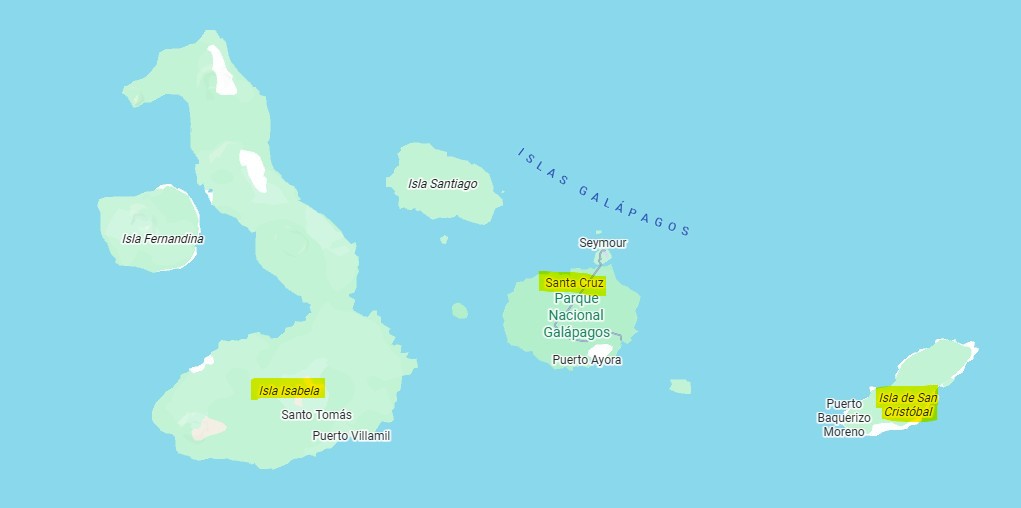
Most travelers stay on Santa Cruz, Isabela, and San Cristobal, then use ferries, walking, taxis, and day tours to explore. You still get boat time, snorkeling, wildlife, beaches, and guided tours, but you return to town at the end of the day.
Pros of a Land-Based Galapagos Trip
- You can mix paid tours with free and low-cost activities
- You can choose your own hotels or apartments
- You have tons of restaurant choices
- You can build in rest days or slower mornings
- You get to experience the main island towns
- You can choose which tours matter most to you
- You will probably spend less than you would on a liveaboard
- It works well if you like planning your own custom trip
Cons of a Land-Based Galapagos Trip
- You need to research, plan and book all the hotels, ferries, tours, and transfers
- Inter-island travel days on ferries can take up more time than expected
- You will not reach the most remote islands
- Day tours can still involve long boat rides
- Popular tours can sell out
- You have to make more daily decisions
- Some travelers may find the planning stressful
The biggest downside of a land-based Galapagos trip is that you are responsible for handling more logistics. But it can be incredibly rewarding if you like flexibility and want time to experience the islands beyond a set tour schedule.
Key Differences: Galapagos Liveaboard vs Land-Based Trip
Cost
A Galapagos liveaboard is usually the more expensive option because your lodging, meals, transportation, guides, and activities are bundled together. Prices vary widely, but I’ve seen cruises that are $500-$800 per person per day. The really high-end ones can cost as much as $2000 per person per day!
A land-based Galapagos trip gives you way more control over what you spend. You can choose simpler hotels, eat at local restaurants, pick only the tours you really want, and mix in free or low-cost activities. Bill and I spent $115 per person per day on our land-based trip – learn more about that here.
Flexibility
A liveaboard is easier because the schedule is already built for you, which can greatly reduce decision fatigue, but you do not have much flexibility once you are on board.
Land-based travel gives you way more control. You can change your pace, add downtime, book a last-minute tour, spend longer at the beach, or skip an activity if you are tired.

Access to Remote Islands
This is where a liveaboard usually wins. Liveaboards can reach more remote islands and visitor sites that are difficult or impossible to visit on day tours from the main inhabited islands.
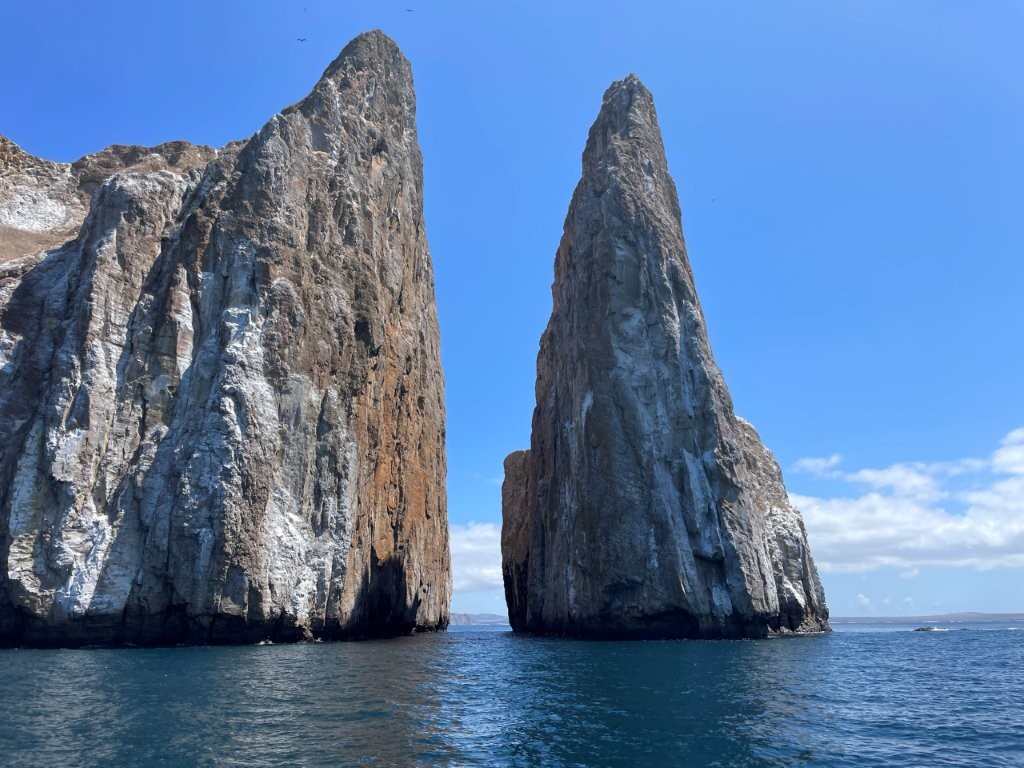
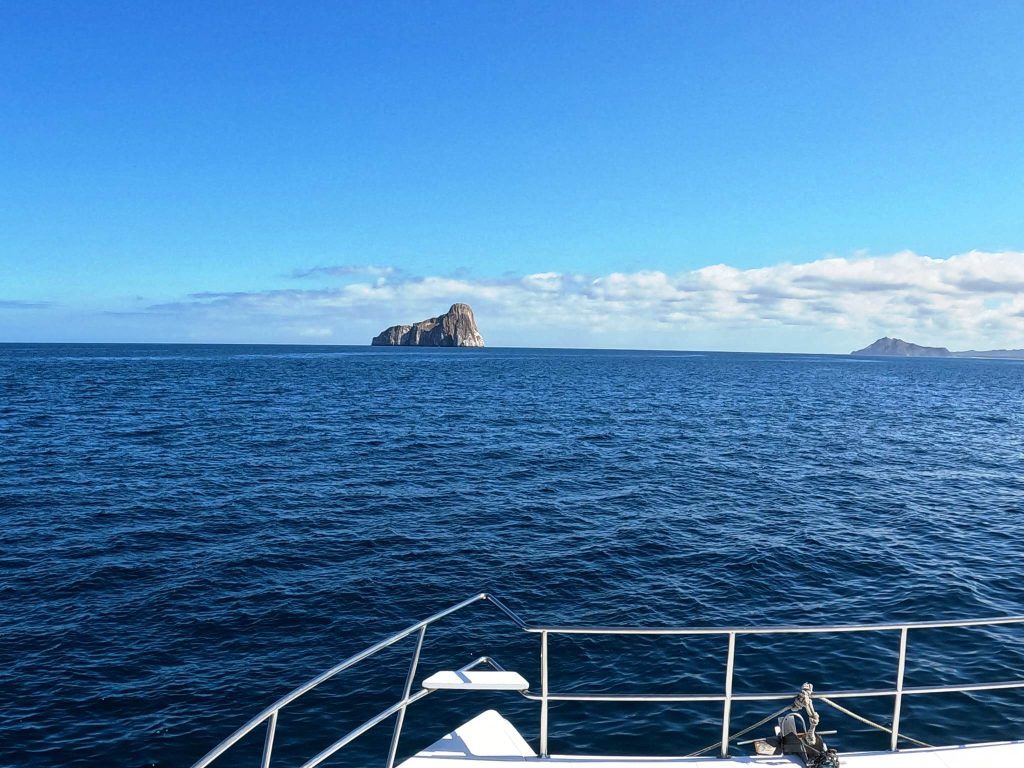
Land-based travelers can still visit amazing places by day tour, including Bartolomé, Española, North Seymour, Kicker Rock, Los Túneles, Las Tintoreras, and Punta Pitt, but you will not have the same remote access as many cruise itineraries.
Because the Galapagos Islands are a protected UNESCO World Heritage Site, access to many visitor sites is tightly controlled, and some remote islands are much easier to reach by liveaboard than by day tour.
I really wanted to go to Genovesa Island for its fantastic bird watching, and our friends Dave and Randi went there on their liveaboard cruise. But after a lot of research, I learned there was simply no way to get to Genovesa on a land-based trip.
Pace and Downtime
A Galapagos liveaboard can be very go-go-go. That can be wonderful if you want to maximize every day or you have limited days in the Galapagos, but it may feel intense if you like slow mornings or unscheduled time.
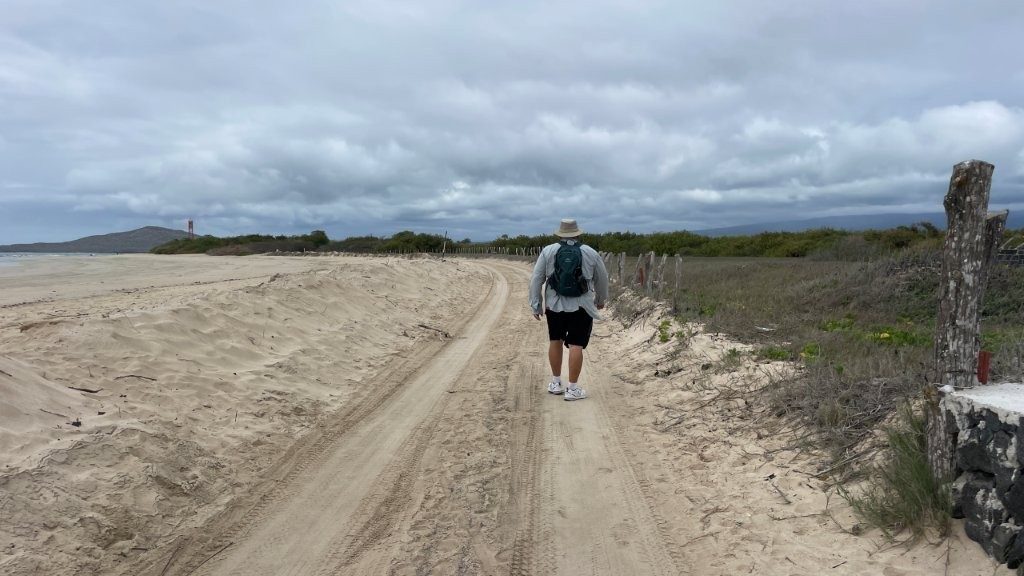
A land-based trip makes it so much easier to build in rest days. That mattered to us because our travel style always builds in relaxation days and time for slower exploration. Some of our favorite moments were simple ones: walking around town, watching sea lions and birds, or spending extra time at a beach.
Food and Lodging
On a liveaboard, your meals and cabin are part of the package. That can be convenient, especially if you do not want to think about where to eat every day.
Liveaboards can accommodate any dietary needs you have and the food is usually pretty fantastic. Their reviews depend on it. Cabin sizes vary by ship, but they tend to run on the smaller side unless you upgrade to a suite.
On a land-based trip, you can choose your hotels, apartments, and restaurants. That gives you more variety and more control, but also more decisions to make.
If you go land-based, choosing the right location matters. My Where to Stay Guides for Santa Cruz, Isabela, and San Cristobal can help you choose hotels based on island, budget, and travel style.
Seasickness and Boat Time
A liveaboard means you are sleeping on the water and traveling between sites by boat, sometimes overnight.
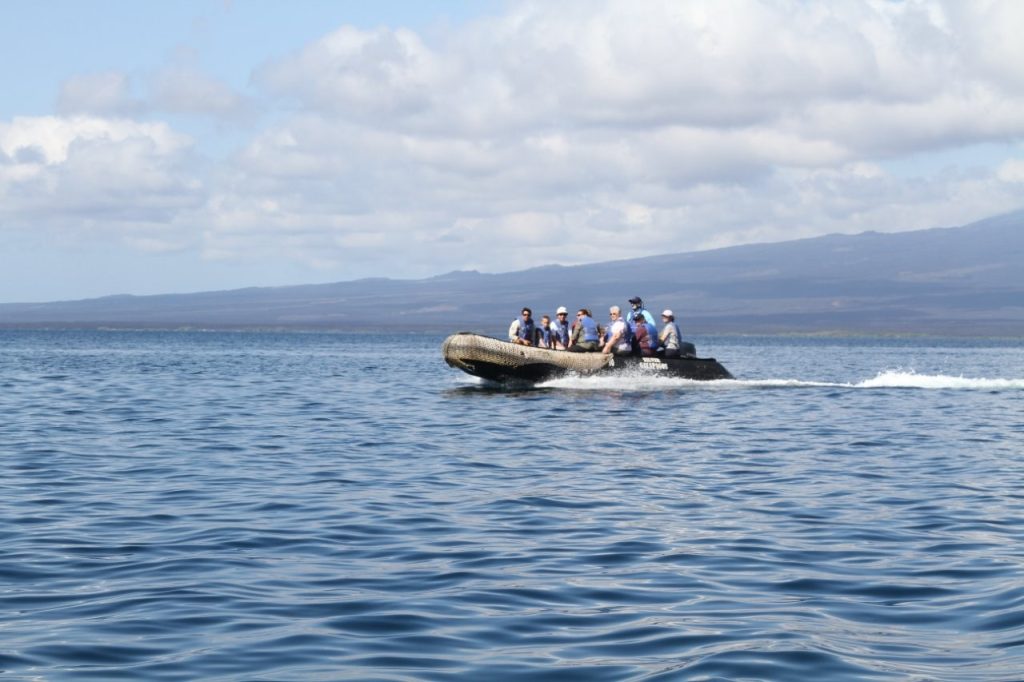
A land-based trip still involves plenty of boat time. Ferries and day tours can be rough, and some of our boat rides were bumpier than I expected.
Kari’s Travel Tip: Do not assume land-based means “no seasickness risk.” If you are prone to motion sickness, bring medication either way. The Galapagos is a boat-heavy destination no matter how you choose to visit it.
Some links in this post may earn me a small referral commission at no extra cost to you. Booking through the red links helps support Achieve Your Bucket List and let’s me keep providing these firsthand Galapagos planning guides free to readers.
Is There a Middle Ground Between a Galapagos Liveaboard and Planning It Yourself?
For travelers who do not want the cost of a Galapagos liveaboard but also do not want to plan every hotel, ferry, and tour themselves, a multi-day land-based tour can be a smart compromise.
These tours usually keep you on the main inhabited islands, but package the logistics for you: hotels, transfers, ferries, day tours, and some meals. You still sleep on land, but you get more structure than a DIY island-hopping trip.
Good to know: Read the itinerary carefully. A 5- to 7-day land-based tour can include a lot of movement, especially if it covers both Santa Cruz and Isabela. That may be perfect if you want a guided taste of the Galapagos, but it may feel rushed if you prefer slow travel.
Why consider this option: It can be a good fit if you want help with the logistics, prefer a planned itinerary, and like the idea of land-based travel without doing all the research yourself.
Important things to consider when evaluating these tours:
- Whether departures are flexible or fixed-date
- Whether travelers join a group or get a private/custom experience
- Hotel quality and location
- Whether ferries, transfers, wetsuits, and snorkel gear are included
- Whether TCT and park fees are included – they often are not so that’s an additional cost.
- How rushed the itinerary feels
I did in-depth research, read the reviews and these are the multi-day land-based tours I recommend to show you the best of the Galapagos Islands.
- 9 Days Galapagos Island Hopping
- Galapagos: Tour Island Hopping 7 days – 6 nights
- 6 Days Galapagos Island Hopping – lots of snorkeling on this one
Who Should Choose a Galapagos Liveaboard?
A Galapagos liveaboard may be the better choice if you want the most seamless, all-in-one way to see the islands.
Choose a liveaboard if:
- You want someone else to handle the logistics
- You want to unpack once
- You are comfortable with a fixed itinerary
- You want access to more remote islands
- You like a full schedule with multiple activities most days
- You are a serious diver or want a dive-focused Galapagos trip
- You do not mind sleeping on a boat
- You are comfortable traveling with the same group for the whole trip
A Galapagos liveaboard is probably strongest for travelers who want convenience, remote access, and a structured adventure.
Who Should Choose a Land-Based Galapagos Trip?
A land-based Galapagos trip may be the better choice if you want more flexibility and control.
Choose a land-based trip if:
- You want to choose your own hotels or apartments
- You want restaurant variety
- You like building in rest days or alternative plans
- You want more control over your budget
- You enjoy planning your own tours and activities
- You want to spend time in the island towns
- You want to mix paid tours with free and low-cost experiences
- You prefer sleeping on land instead of on a boat
A land-based trip is probably strongest for travelers who want flexibility, local island time, and the ability to shape the trip around their own pace.
If land-based travel sounds like your style, start with my Galapagos Itinerary Guide, then use my Snorkeling Tour Guide, Best Time to Visit Galapagos Guide, Galapagos Packing List, and First Time Galapagos Travel Guide to plan the details.

Bill’s Verdict After Doing Both Types of Galapagos Travel
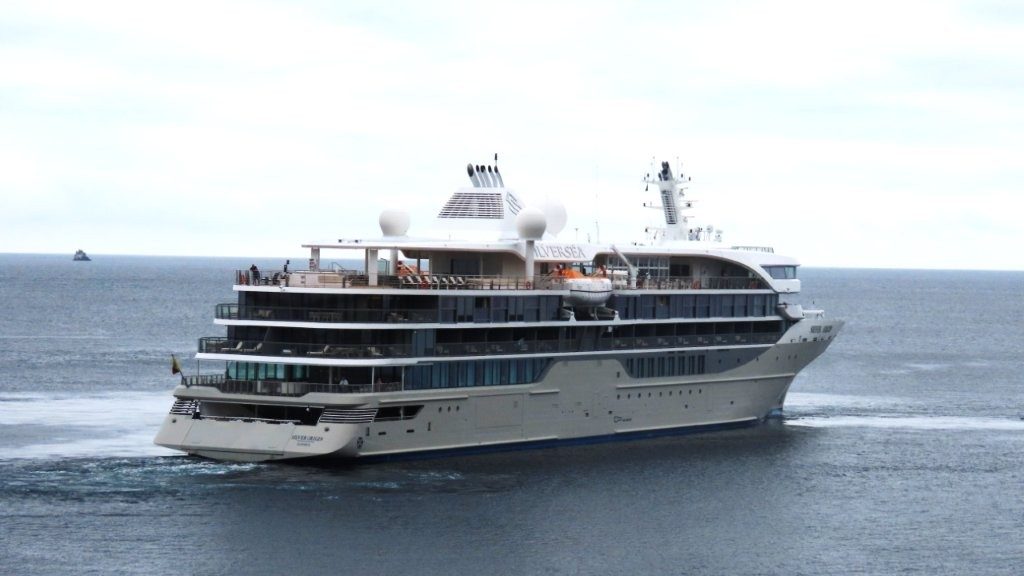
Bill’s liveaboard experience was very different from the land-based trip we took together. He did a 7-day Galapagos liveaboard on the Silversea Explorer before we met, and that trip was definitely a higher-end experience.
The ship had almost 100 passengers, fantastic food, and a large attentive crew. They had one or two snorkeling opportunities almost every day, plus brief stops on Santa Cruz, Isabela, and San Cristobal. His itinerary also included places we could not reach on our land-based trip, including the far side of Isabela, Floreana, Fernandina, and Genovesa.
But it was also wildly expensive — over $2,000 per person per day.
What surprised me during our land-based trip was how often Bill would say, “I remember being here on my last trip to the Galapagos.” And sure enough, we often saw the current Silversea Origin ship anchored in the harbor nearby.
Before we planned our land-based trip, Bill was one of those people who thought a cruise was really the only way to see the Galapagos properly. After spending 30 days island-hopping with me, he agreed that land-based travel can be a great option too, especially if you want a slower pace, more flexibility, and a lot more control over the cost.
We did not reach every remote island. But we did plenty of snorkeling, hiking, bird-watching, DIY exploring, and beach wandering. And our total expense for two people for 30 days was under $7,000 — about half of what his 7-day liveaboard cost for one person.

Why We Chose a Land-Based Galapagos Trip
We chose a land-based Galapagos trip for a few reasons, but budget and pace were the biggest ones.
These days, we are more frugal travelers. Not because we do not value amazing experiences, but because we are trying to stretch our travel budget as far as we can so we can keep going. A Galapagos liveaboard can be incredible, but the cost adds up fast.
We have also slowed down a bit. The thought of go-go-go travel every single day does not appeal to us the way it might have years ago. We wanted time to wander, watch birds, look for wildlife, go back to places we liked, and have days that were not packed from morning to night.
For us, land-based travel gave us the balance we wanted: paid tours when they were worth it, free and low-cost activities when we wanted a slower day, and enough flexibility to experience the Galapagos without feeling rushed.

So, Is a Galapagos Liveaboard Worth It?
Yes, a Galapagos liveaboard can absolutely be worth it.
It may be the right choice if you want the easiest logistics, more remote island access, an all-inclusive structure, and a trip where most of the planning is handled for you. For serious divers, birders hoping to reach places like Genovesa, or travelers who want to maximize every day, a liveaboard may be the dream trip.
But it is not the only way to see the Galapagos well.
A land-based Galapagos trip can also be an incredible Bucket List experience, especially if you want more flexibility, more control over your budget, and more time to enjoy the inhabited islands at your own pace.
The real question is not whether a Galapagos liveaboard is better. It is whether it is better for YOU.
More Galapagos Travel Guides
Here are some more posts about visiting the Galapagos Islands. If you’d like to receive emails when I’ve posted new content to the site, please complete the short form above.
Overall Galapagos Planning Guides
- First Time Galapagos Travel Guide: What I Wish I Knew Before Going
- Galapagos Itinerary: How Many Days Do You Really Need?
- How to Choose the Best Galapagos Snorkeling Tour for YOU
- Best Time to Visit Galapagos: What to Know Before You Go
- Galapagos Trip Cost: What We Spent For 30 Days (It’s Less Than You’d Think)
- What to Pack for the Galapagos – The Island-Hopping Packing List
- How to Get to the Galapagos Islands: What No One Tells You
- Galapagos Ferry Guide: What We Wish We Had Known
- Galapagos Liveaboard vs Land-Based Trip – Which Is Right for You
Santa Cruz Island Galapagos Guides
- Best Things To Do In Santa Cruz Galapagos + Tours Worth Booking
- Where To Stay In Santa Cruz Galapagos: 9 Hotels For Every Budget
- All The Best Low-Cost And Free Things To Do On Santa Cruz Island
- Bartolomé Island Tour Review: Bucket List Must-Do or Overrated?
Isabela Island Galapagos Guides
- Best Things To Do In Isabela Galapagos: Snorkeling, Beaches & Volcanoes
- Where to Stay in Isabela Galapagos: Best Hotels for Every Budget
- Best Low-Cost and Free Things to Do on Isabela Island Galapagos
- Los Túneles Tour Review: Did It Live Up To The Hype?
- Las Tintoreras Tour Review: Is It the Right Snorkeling Tour for You?
- Concha De Perla: Free DIY Snorkeling On Isabela Island Galapagos
San Cristobal Island Galapagos Guides
- Best Things to Do in San Cristobal Galapagos: Tours, Beaches & Wildlife
- Where To Stay in San Cristobal Galapagos: Best Hotels For Every Budget
- Budget Friendly And Free Things To Do On San Cristobal Island
- Kicker Rock Snorkeling Tour Review: Did It Live Up to the Hype?
- Española Island Tour Review: Rare Birds and Epic Snorkeling
- Punta Pitt Tour Review: The Remote Galapagos Tour Most Visitors Overlook
