If your partner doesn’t share your travel dreams, here’s how to move forward—with compassion, clarity, and a little creative compromise.
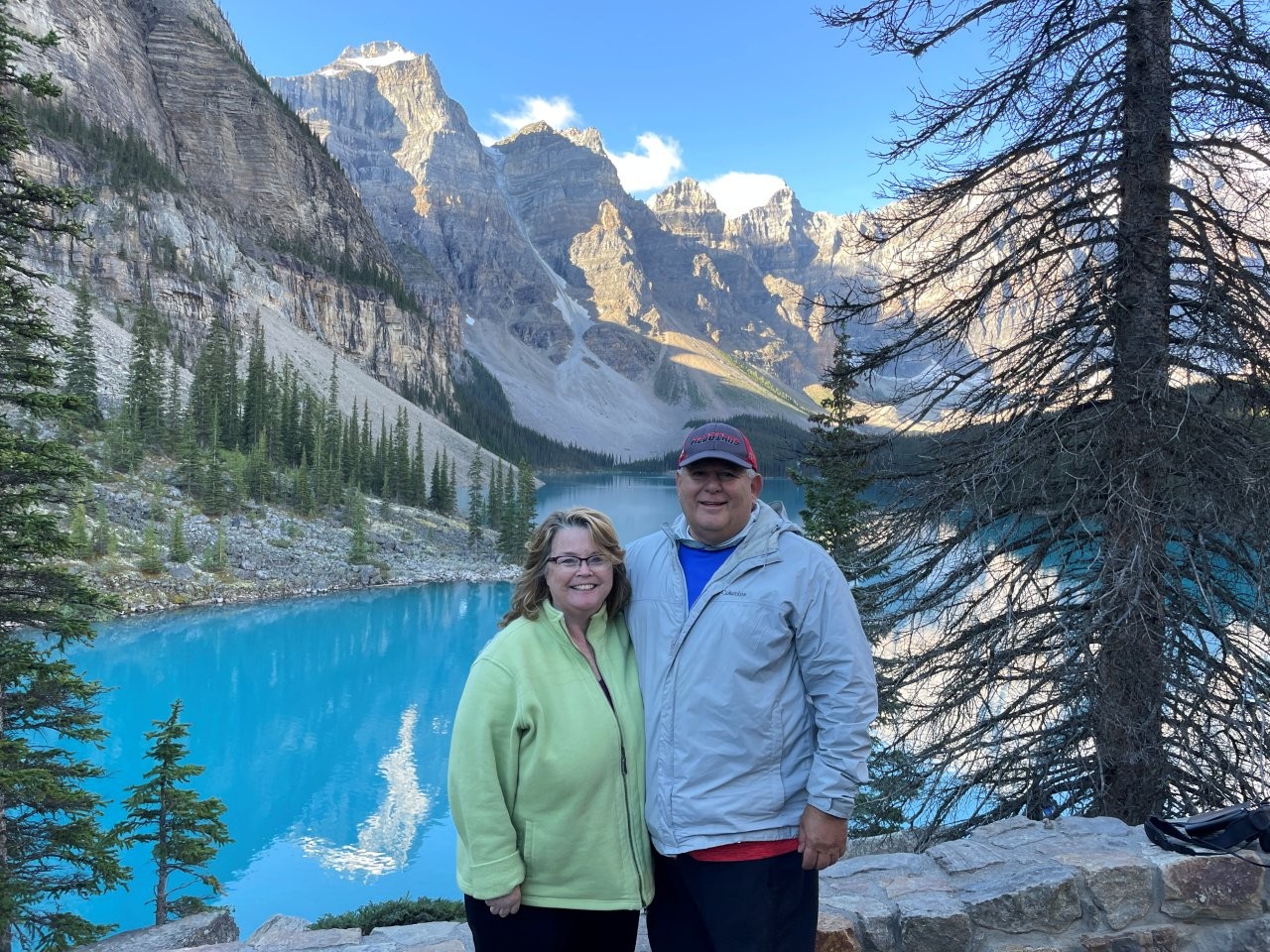
Bill and I have traveled the world together, and I can’t imagine a better life partner. But I’ve noticed something starting to change slowly: I’m still wildly enthusiastic about planning our next Bucket List adventure, while he’s not always quite as excited as I am. If you’re traveling with a reluctant partner, you might recognize that feeling.
As our interests and energy levels evolve, I’m learning to plan trips that give us both something to look forward to. We still love exploring the world together, even if we aren’t equally excited about every adventure.
If you love traveling more than your partner does, I want to share what we’re figuring out, along with some ideas for those whose partners would rather stay home. I don’t have all the answers, but I don’t believe you should automatically give up your Bucket List because your partner doesn’t share every travel dream.

Why Your Partner May Not Share Your Love of Travel
Not everyone shares the same enthusiasm for travel. Sometimes it’s a matter of different interests, and sometimes those interests change over time. Bill and I are discovering both as we plan our next adventures.
Different Interests Don’t Mean an Incompatible Relationship
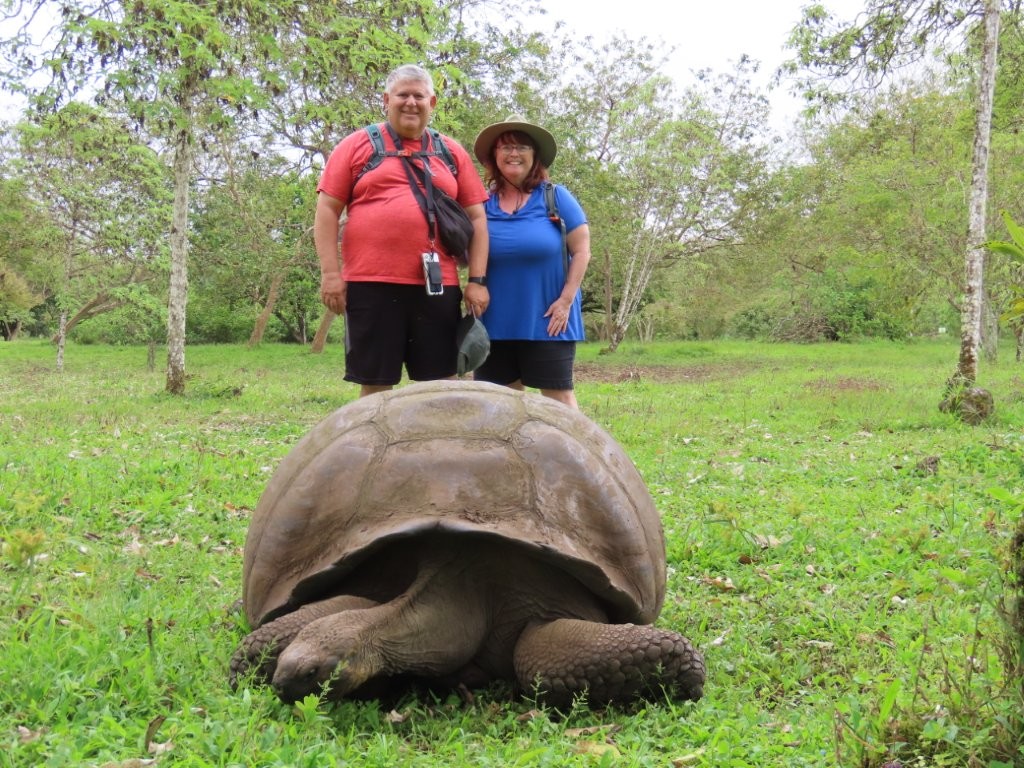
I love wildlife photography. Give me a camera, a beautiful landscape, and the chance to photograph animals and birds, and I’m a happy woman.
Bill enjoys wildlife, too. But when we planned our three-month Africa adventure, I realized that photographing lions, elephants, and giraffes for three months didn’t excite him nearly as much as it excited me.
And that’s okay. We don’t have to be equally passionate about every activity to enjoy traveling together. Different interests don’t automatically mean an incompatible relationship.
When Travel Enthusiasm Changes Over Time
Bill used to really enjoy photography, but his interests have shifted while my passion has continued to grow.
He’s also already visited some of the places we included in our three-month Africa itinerary. For me, those destinations represent exciting new photographic opportunities. For him, returning somewhere he’s already been doesn’t necessarily have the same appeal.
We also have a 12-year age difference, so it’s natural that we don’t always have the same energy level. He occasionally enjoys what he calls his “senior nap,” while I’m still eager to get out and explore. Sometimes the issue isn’t what we’re doing, but how much we’re trying to squeeze into one day.
And here’s the interesting part: Bill occasionally expresses his reluctance to me, but when he’s talking to other people, he’s much more enthusiastic about our travels. He loves telling people where we’ve been and where we’re going.
Apparently, we’re the “cool travel people” in the neighborhood. I’ve always wanted to be one of the cool travel people!
Traveling With a Reluctant Partner: Finding Common Ground
Finding common ground doesn’t mean one person has to give up what they love. It’s about understanding each other’s priorities and planning experiences you’ll both enjoy.
Talk About What Each of You Actually Wants
Bill is a wonderful partner who loves me, and he’s usually willing to go along with my travel ideas. But I’ve started paying closer attention to the difference between his willingness to go and his excitement about going.
Those aren’t necessarily the same thing.
When we were planning Africa, I realized that Bill’s willingness to go didn’t mean he was excited about every part of the itinerary. That helped me think more carefully about what would make the trip enjoyable for him, too.
I made sure our Africa itinerary isn’t three months of nonstop wildlife viewing. We’ve included scenic drives, boat rides, sunrises over the sand dunes, and other experiences that give us variety. I’ll still have plenty of opportunities for wildlife photography, but the trip isn’t built exclusively around my interests.
Before making plans, find out what’s behind your partner’s hesitation. Is it the expense, unfamiliar destinations, health concerns, or simply that they’d rather stay home?
Instead of asking only, “Will you come with me?” try asking, “What would make a trip enjoyable for you?” Their answer may reveal compromises you hadn’t considered.
And be willing to hear the answer, even if it isn’t what you hoped.
Kari’s Travel Tip: One exercise I recommend is having each person create their own Bucket List before comparing ideas. My Make A Bucket List in 5 Easy Steps guide includes a free worksheet to help you both identify what matters most.

Choose Destinations and Experiences You’ll Both Enjoy
If your partner is more reluctant than Bill, consider starting with a weekend getaway or a short trip somewhere familiar. You’ll both have a chance to discover what works before committing to a longer adventure.
And look for opportunities to support each other’s interests. Maybe you join your partner for a round of golf, and they join you for a hike. Neither activity has to be your favorite. Sometimes showing enthusiasm for something your partner loves makes it easier to find common ground.
Of course, this only works if both people are willing to try. A compromise shouldn’t mean one person always gets their way.
Once you’ve agreed on the experiences that matter most to both of you, my How to Plan a Trip: 7 Simple Steps for Busy People guide can help you build an itinerary around those priorities, with enough flexibility for different interests and energy levels.

Give Each Other Room to Do Different Things
We’ve learned to plan around our different energy levels, often scheduling half-day activities instead of filling every day with sightseeing. Bill can relax, catch up on emails, or work on his investments while I spend more time on photography. We’ve built plenty of that flexibility into our Africa itinerary.
I also don’t think partners have to do everything together. If one person wants to spend time birdwatching and the other would rather explore a town, there’s nothing wrong with enjoying different activities and meeting up afterward.
For a reluctant partner, knowing they won’t be expected to participate in every activity might make a trip more appealing. You can share the experiences you both enjoy without insisting on spending every minute together.
What If Your Partner Still Doesn’t Want to Go?
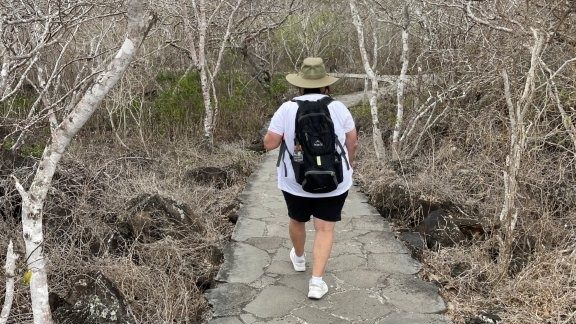
Sometimes you’ve listened, suggested alternatives, and offered compromises, but your partner still says no.
That’s a different situation from the one Bill and I are navigating. We’re still traveling together, so I can’t pretend I’ve personally worked through having a partner who refuses to travel. But I don’t think the answer should automatically be giving up the experiences that matter to you.
Consider Traveling With Friends or Family
If your partner isn’t interested in a destination, is there a friend or family member who would love to go?
You might discover that someone else shares your enthusiasm for the very trip your partner doesn’t want to take. That could be a wonderful way to enjoy the experience without pressuring your partner to come along.
I’d approach this as an invitation, not an ultimatum. The point isn’t to make your partner jealous or guilty. It’s to find a way for both of you to pursue the things you enjoy.
And remember that traveling with someone else doesn’t mean you have to stop planning trips with your partner. You can still share adventures that appeal to both of you.
Could Solo Travel Be Part of Your Future?
I’ve started thinking about the possibility that I might occasionally travel on my own someday.
That’s not something I’ve done as a substitute for traveling with Bill, and I’m not ready to tell you what it’s like. Right now, it’s a possibility I’m considering, not a solution I’ve tested.
But I don’t believe that having a life partner means every Bucket List experience must be shared.
If you don’t have a friend or family member who wants to join you, independent travel may be another possibility. That doesn’t have to mean organizing an entire international adventure alone. Joining an organized group tour could be one way to travel without your partner while still having company.
Solo travel isn’t the right answer for everyone, and it certainly isn’t the only answer. But I wouldn’t dismiss it simply because you’re in a committed relationship.
Respect Their Decision Without Abandoning Your Dreams
If your partner genuinely doesn’t want to take a particular trip, I don’t think you can manufacture enthusiasm for them. Dragging someone along who would rather be somewhere else doesn’t sound like much fun for either of you.
I’d avoid guilt trips or ultimatums. Instead, talk about what arrangements would feel comfortable for both of you, even if that means occasionally traveling separately or revisiting the conversation later.
Your partner’s decision not to go doesn’t automatically mean you have to give up the experience. But finding an arrangement that works for your relationship may take time.
Our Approach: Keeping Both Bucket Lists Alive
I’m fortunate to have such a supportive life partner, and I don’t want to take Bill’s willingness to join my adventures for granted.
We’re still figuring out how our travel styles may evolve. I don’t know exactly what that will look like, but I want us both to keep enjoying the wonderful life we’ve built together, even if our Bucket Lists don’t always look the same.
Final Thoughts: Your Bucket List Still Matters
Traveling with a reluctant partner doesn’t have to mean giving up your dreams or dragging someone along who doesn’t want to be there. Finding a balance may take some honest conversations, patience, and a willingness to try something different.
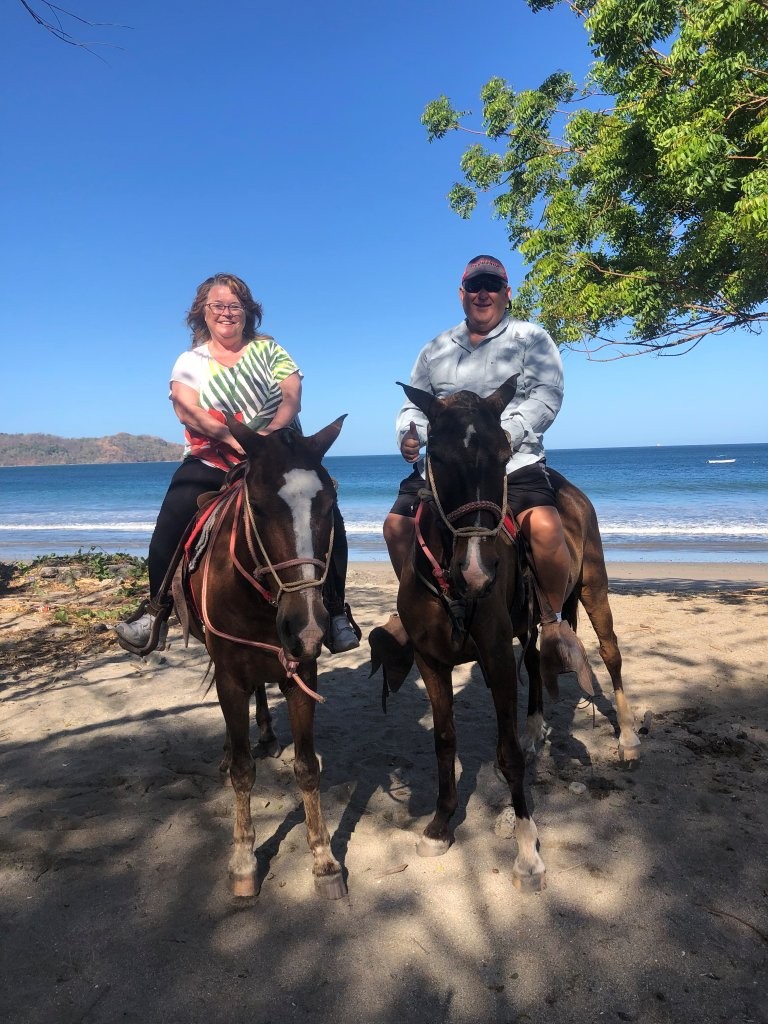
Bill and I are still figuring out how our travel styles will evolve. But after all the places we’ve explored together, I know one thing: I wouldn’t trade our adventures for anything. And I’m not ready to stop having them!
An unwilling travel partner is just one of the obstacles that can keep our dreams on hold. In 9 Bucket List Barriers & How to Overcome Them, I explore other common challenges and some practical ways to work through them.
More Bucket List Resources
Here are some more posts to help you create your Bucket List, overcome the barriers holding you back, and finally start achieving your dreams!
If you’d like to receive emails when I’ve posted new content to the site, please complete the short form above.
- Make A Bucket List in 5 Easy Steps (with a guided worksheet)
- 8 Unique Approaches to Create a Bucket List – Find the Right One for You
- 9 Bucket List Barriers & How to Overcome Them
- Life Can Change in an Instant: Don’t Put Off Your Bucket List
- Bucket List Travel: 7 Steps to Finally Make It Happen
- Travel Guilt: Is It Selfish to Take That Bucket List Trip?
- How to Plan a Trip: 7 Simple Steps for Busy People
- How to Travel on a Budget: Where We Save & Where We Splurge
- Traveling With a Reluctant Partner: When You Love Travel More
- Travel Anxiety: How I Went From Anxious to Confident
- Kari & Bill’s Travel Bucket List: Where We’ve Been & What’s Next
- Greatest Travel Experiences – Our Top 10 List
- This is Your Life. Do What You Love
