
You Don’t Need a Million Dollars to See the World
One of the biggest reasons people delay Bucket List travel is money. Maybe you assume it takes tens of thousands of dollars to travel to another country. Or that you need to wait until you’re “rich enough” to travel.
Spoiler alert: You don’t. Learning how to travel on a budget can make some of those seemingly unaffordable trips possible.
I’m one of the most frugal travelers out there. Bill says I hold onto every dollar with a clenched fist! But we have traveled around the world for months at a time, and I’ve learned that traveling on a budget isn’t about finding the cheapest possible trip. It’s about doing the research, making smart choices, and deciding where your money matters most.
I’ve done plenty of that research—and made plenty of tradeoffs—so hopefully I can save you some analysis paralysis and help make your next Bucket List trip feel a little more possible.


PLAN YOUR TRIP WITH OUR
FAVORITE TOOLS
– Best Lodging site: Booking.com
– Book Day Tours here: Viator.com
– Rent Cars here: DiscoverCars.com
Shift Your Mindset: Budget Travel Isn’t “Cheap”—It’s Smart
Affordable travel means something different to everyone. What I consider a reasonable hotel might be too expensive for someone else—or way too basic for a friend who prefers highly rated hotels with more amenities. There isn’t one magic daily budget that makes you a “budget traveler.”
For me, the goal is getting the most from the money we have available. I’m perfectly happy staying in a simple apartment and cooking dinner if that means I can spend the money we saved on a safari, an Antarctica cruise, or an unforgettable snorkeling excursion.
That’s the mindset I use throughout our travels: save where it doesn’t matter to us and spend where it does. Frugal travel isn’t about missing out.
Done well, it can mean traveling longer, traveling more often, or finally taking that Bucket List trip you thought was too expensive.
Antarctica is a perfect example of why I always recommend researching a Bucket List dream before deciding it’s unaffordable. In Bucket List Travel: 7 Steps to Finally Make It Happen, I share how we discovered that an experience I’d long assumed was out of reach was actually possible.

Where You Go—and When—Can Change What You Spend
Before I book a trip, I look at three things that can make a huge difference in the total cost: destination, season, and location within the destination.
- Travel during shoulder season. We spent October in Italy and November in Portugal, after the busy summer season. It was considerably less crowded, the tours were not all sold out, and I found several accommodations for under $100 a night.
- Compare destinations before committing. Vietnam and Thailand were dramatically less expensive for us than Western Europe. Throughout Southeast Asia, our accommodations were simple but comfortable, local meals were inexpensive (most of our full meals for two were under $10), and transportation costs were lower than many other places we’ve traveled to.
- Look beyond the tourist center. You may pay considerably more for the convenience of being in the middle of everything. We often choose to stay on the outskirts of a big town, rather than in the heart of it.
- Staying longer can save money. Weekly or monthly accommodation discounts can change the math, especially if you’re taking a longer Bucket List trip. We’ve learned we like the slower pace of travel rather than being go-go-go all the time. It gives us more time to explore an area deeply, rather than just hitting the highlights and moving on.
Your prices will almost certainly be different from ours, so I won’t use our numbers as a target. Use the strategy instead: before cutting experiences from your trip, see whether changing when you go, where you stay, or even where you go can free up money for the things you really want to do.

Save on Accommodations Without Giving Up What Matters to You
Accommodations are always the first place I look for savings because we usually don’t need anything fancy. Clean, comfortable, safe, and in a good-enough location works for us.
Here’s what we do:
- Start with Search Criteria. My filters usually include free cancellation, at least an 8 out of 10 review score, a queen or king bed, and a private bathroom. If we’re staying more than 3–4 days, I add a kitchen. We always need a refrigerator because we have medications that need to be chilled, and I add AC if the destination will be hot. Your search criteria will likely be different, but think about what matters to you.
- Hotel or Apartment? We often stay in apartments or condos, especially on longer trips. Having a kitchen lets us cook more of our meals instead of eating out, which saves a lot of money for our food budget. And we like having a living room area with a couch to relax on after a day out exploring.
- Look outside the tourist center. We often pay less by staying on the outskirts of town rather than right in the middle of everything. As long as there is affordable transportation, that has worked well for us.
- Compare a lot of properties. I research accommodations extensively (even exhaustively) before booking because even within the same area, prices for similar places can vary considerably. And I read at least 6 months of reviews, looking for red flags.
- Look at longer-stay discounts. Weekly and monthly rates have helped make some of our extended trips much more affordable.
- Prioritize what matters to us. I’ll give up luxury, but I’m not willing to stay somewhere that feels unsafe or gets consistently poor reviews.
That doesn’t mean this is how you should travel. Some of our friends prefer highly rated hotels and are willing to spend more for the amenities and service.
Other travel friends house- and pet-sit extensively, staying in beautiful homes for free while taking care of someone’s furry friends. Some even build their travels around those opportunities. We haven’t tried it yet, but I can certainly see the appeal.

Smart Ways to Save on Flights
I wish I had a brilliant secret for finding cheap flights, but I don’t. Flights are expensive, and sometimes there just isn’t a great deal.
What I can do is make sure I’m not paying more than I need to:
- Compare flights using tools like Google Flights or Skyscanner. I prefer Google Flights myself.
- Be flexible with dates whenever our schedule allows. Sometimes leaving on Tuesday instead of Sunday can make a huge difference in price.
- Check nearby airports if there’s more than one reasonable option. Fort Lauderdale and Miami airports are a great example of this.
- Set price alerts when we know where we want to go but aren’t ready to book. I’m currently tracking flights to South Africa for next year.
- Fly Economy. We almost always do unless it’s an ultra-long-haul flight where we decide the upgrade is worth the extra cost. Even in Economy, most international flights have sufficient leg room.
I could dig through our old records and tell you about a cheap flight we found three years ago, but I don’t think that would help you much. Airfares change constantly. I’d rather focus on comparing the options available for the trip I’m planning now.
If you’re wondering which websites I use to compare prices, check out Our Top Travel Planning Tools & Resources. I’ve put together our favorite tools for finding flights, accommodations, rental cars, transportation, and activities.

How to Travel on a Budget: The Everyday Choices That Add Up
This is where our frugal habits really kick in. Saving $10 here and $20 there may not sound exciting, but over a month-long trip, those everyday expenses add up.
Here are some things we actually do:
- Walk whenever practical. Besides being free, we get exercise and we’ve discovered a lot of cool and unique places simply because we were walking instead of riding past them.
- Use public transportation rather than taking a taxi or renting a car.
- Cook many of our meals when we have a kitchen.
- Eat where locals eat instead of going to restaurants in the main tourist areas.
- Eat our bigger restaurant meal at lunch if there’s a less expensive lunch menu.
- Pack snacks and refillable water bottles for long sightseeing days.
- Look for free things to do—bird-watching, hikes, beaches, wildlife watching, town squares, scenic viewpoints, and shore snorkeling.
- Ask ourselves whether we really need a tour. If we can comfortably and safely do something independently, we often do. Although sometimes I regret not booking a tour when we wander around on our own and don’t really learn anything.
None of these choices feels like we’re sacrificing our trip. In fact, some of our favorite travel days have cost almost nothing. And every dollar we don’t spend on something we don’t care about is money saved for the Bucket List experiences we want to splurge on.

Save Where You Can—Then Spend on the Bucket List Experiences That Matter
This is where all that frugality pays off. I don’t travel halfway around the world just to save money. I save money so we can afford the experiences that made us want to go there in the first place.
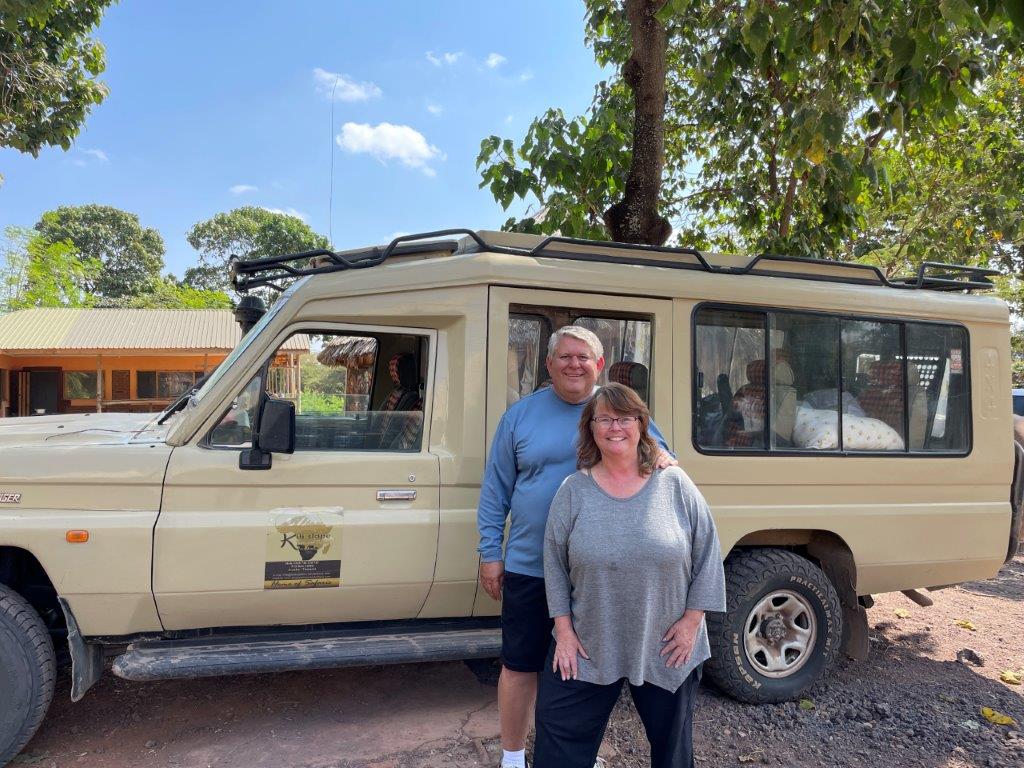
There are some things I’m simply not willing to miss. We’ve splurged on an African safari, an Antarctica cruise, Galapagos snorkeling excursions, and other Bucket List experiences that would have been difficult—or impossible—to do on our own.
But even when I’m willing to splurge, I still research the heck out of it.
When we planned our 9-day Tanzania safari, the original price was about $3,900 per person. I researched different companies, compared what was included, and negotiated the price down to about $2,900 per person. We still got the safari experience we wanted; I just wasn’t willing to assume the first price was the final price.
Here’s what I do before spending big on an experience:
- Decide whether this is one of the main reasons we’re going to the destination.
- Compare several companies offering similar experiences.
- Look carefully at what’s included instead of comparing price alone.
- Read reviews—lots of them.
- Ask tons of questions before booking.
- Negotiate when it’s appropriate.
- Spend the money when I decide the experience is worth it.
That last one is important. Sometimes the smart budget decision is to spend the money.
How We Spent a Month in the Galapagos for under $7,000
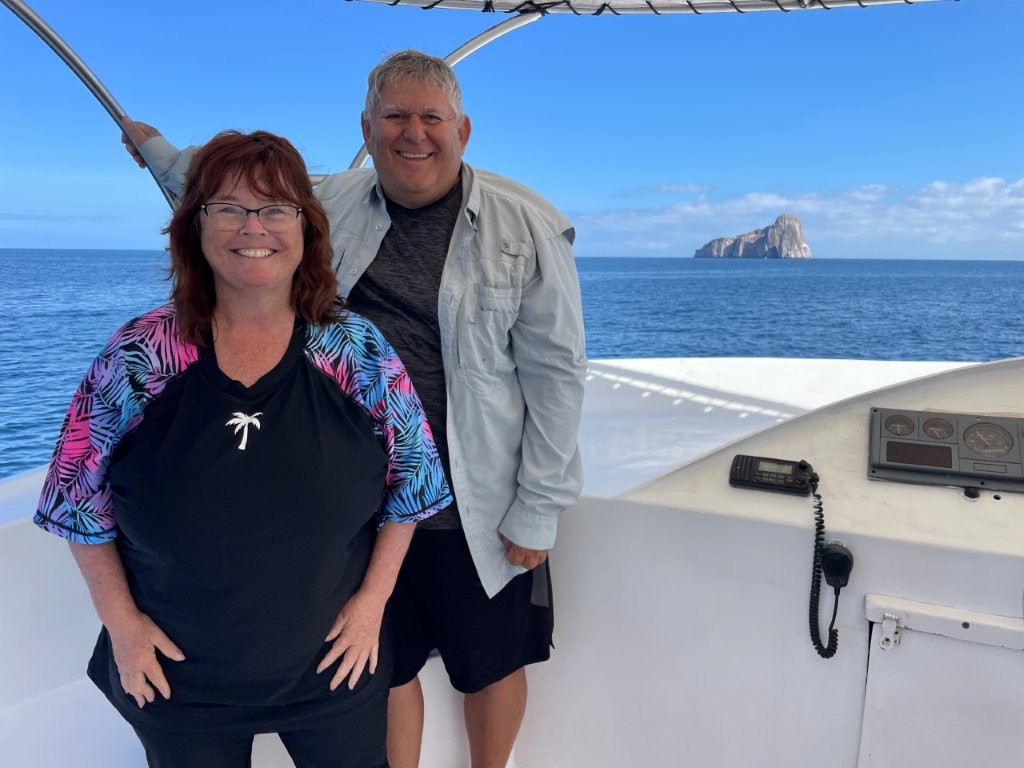
Our month in the Galapagos Islands is one of my favorite examples of how to travel on a budget without giving up the experiences we went there for. It has a reputation for being outrageously expensive, but Bill and I spent 30 days there for $6,885 total—about $115 per person per day.
We didn’t accomplish that by skipping the wildlife experiences we traveled all the way to the Galapagos to have. Almost half of our budget went toward six full-day snorkeling excursions and ferries between the three main islands. We paid for the experiences that we couldn’t reasonably do independently.
Here are some of the ways we kept our everyday costs down:
- Stayed in simple accommodations, all under $60/night
- Cooked many of our own meals and ate at inexpensive restaurants where the locals eat, away from the tourist parts of town.
- Walked everywhere instead of taking taxis.
- Mixed expensive excursions with free and inexpensive days.
- Hiked, bird-watched, snorkeled from shore, visited beaches, and explored on our own. Some of our favorite experiences did not require a paid boat tour at all.
I wrote an entire post breaking down our Galapagos trip cost because it’s such a good example of something I’ve learned over and over again: you don’t necessarily save money by cutting out the special experiences. Sometimes you save it by being very selective about where you spend.
How I Estimate What a Trip Will Actually Cost
These are the tools Bill and I use to estimate what a trip will actually cost.
- Flights: I use Google Flights to see what airfare is actually running for our dates and how changing the dates affects the price. But be aware that Google Flights does not always include baggage fees, seat selection fees, and other add ons. You have to go to the actual airline site to see the true total.
- Accommodations: I search Booking.com using the criteria I described above, so my estimate reflects places we would actually stay—not the cheapest bed available.
- Activities: I check Viator first, then GetYourGuide second to get a realistic idea of what the tours and Bucket List experiences we’re interested in will cost.
- Everyday expenses: Bill has formulas he’s created after our years of travel to estimate daily costs for food/beverage (ours runs $30-40/day), local transportation or fuel costs if we are renting a car, entry fees and the smaller expenses that add up.
- Cushion: I add a 10% cushion for the things I forgot or underestimated, because there are always a few. For example, uncertain fuel prices can affect flight prices, rental car costs and more.
Start a Bucket List Travel Fund
Once you have a Bucket List trip in mind and you have a reasonable idea what it will cost, now it’s time to start working toward it.
- Divide the total dollars by the number of months before you hope to travel. Now you have an actual monthly savings target to save for instead of “Someday, when we can afford it.”
- Save the money in a separate account if that helps you avoid spending it on something else. Most banks or credit unions will let you open a new account and direct deposit/transfer into it every month. Some will even let you name the account “Alaska Cruise” or “Hawaii 2029” – that makes it all the more tangible and real.
- Look at your everyday spending for things you’d willingly give up to take that particular trip. Subscriptions or membership fees you no longer use, eating meals out, drinks at bars or restaurants—those can add up surprisingly fast. A small sacrifice that will make your Bucket List dream possible.
I’m not going to tell you to stop buying your daily specialty coffee and magically you’ll be able to afford Antarctica. Everyone’s income, expenses, responsibilities, and Bucket List are different.
But putting an actual number on a dream changes the conversation. Instead of “We can’t afford to go,” you can start asking, “What would it take for us to make this trip happen?”

FAQs About Traveling on a Budget
What travel expenses are easiest to forget when making a budget?
It’s easy to remember the big expenses like flights and hotels. It’s all the little things that can sneak up on you—airport transportation, baggage fees, tips, entry fees, local transportation, eSIMs, laundry, and airport meals on travel days.
I try to think through a typical day at the destination and what we’ll actually spend money on. I also add some extra money to our budget because there are always expenses I didn’t anticipate.
How far in advance should I start planning a Bucket List trip?
It depends on the trip. If we’re planning something with limited availability or an expensive Bucket List experience, I start researching early so I know approximately what it will cost and what needs to be booked ahead.
I don’t necessarily book everything as soon as I start researching. I use that time to watch flight prices, compare accommodations, research activities, and figure out which reservations we don’t want to risk missing.
Should I book activities in advance or wait until I arrive?
I do both. If a particular activity is the main reason we’re going somewhere, I’m much more likely to book it in advance. I don’t want to travel halfway around the world and discover the experience I came for is sold out.
For activities that aren’t as important to us or that have more options, I’m more comfortable waiting until closer to the trip. Sometimes we’ve found better prices or more options after arriving, but there’s a tradeoff—you also risk not getting the tour or date you want. I decide based on how disappointed I’d be if we couldn’t do it when we are there.
Your Bucket List Is Closer Than You Think
You don’t have to wait until you’re rich enough to start checking places off your Bucket List. You may just need to look at your travel budget differently.
I’m frugal about hotels, meals, transportation, and plenty of other everyday expenses. But I’m willing to spend thousands of dollars on a safari or an Antarctica cruise because those are the experiences I’ll remember for the rest of my life.
Your priorities—and your budget—will be different from mine. Figure out what matters most to you, research the heck out of it, and look for places to save on everything else.
Your Bucket List trip may still require saving, planning, and a few tradeoffs. But before deciding it’s too expensive, find out what it would actually cost to take the trip your way.
You might discover it’s closer than you think.
Ready to see what your dream trip might involve? My How to Plan a Trip: 7 Simple Steps for Busy People guide walks you through researching activities, mapping out your route, comparing flights, and finding accommodations—without getting overwhelmed.
More Bucket List Resources
Here are some more posts to help you create your Bucket List, overcome the barriers holding you back, and finally start achieving your dreams!
If you’d like to receive emails when I’ve posted new content to the site, please complete the short form above.
- Make A Bucket List in 5 Easy Steps (with a guided worksheet)
- 8 Unique Approaches to Create a Bucket List – Find the Right One for You
- 9 Bucket List Barriers & How to Overcome Them
- Life Can Change in an Instant: Don’t Put Off Your Bucket List
- Bucket List Travel: 7 Steps to Finally Make It Happen
- Travel Guilt: Is It Selfish to Take That Bucket List Trip?
- How to Plan a Trip: 7 Simple Steps for Busy People
- How to Travel on a Budget: Where We Save & Where We Splurge
- Traveling With a Reluctant Partner: When You Love Travel More
- Travel Anxiety: How I Went From Anxious to Confident
- Kari & Bill’s Travel Bucket List: Where We’ve Been & What’s Next
- Greatest Travel Experiences – Our Top 10 List
- This is Your Life. Do What You Love
