

UPDATE 9/15/26: Canon recently discontinued the PowerShot SX70 HS, which has been my go-to safari and wildlife camera for years. I am sooo bummed out!!
The Canon PowerShot SX740 is an excellent replacement with a 40x zoom and many similar characteristics. It’s compact and travels well. I would definitely use it for a safari or birdwatching.
I’ve been a loyal Canon lover for almost two decades, but I’m currently running trials on the Nikon COOLPIX 950 and the more expensive Sony RX10 v cameras before our upcoming Africa trip. I will update this guide soon!
Wondering what the best camera for safari is? I’m going to show you why this one is my top pick.
Planning an African safari and wondering which camera to bring? After 30+ years as a travel photographer, I’ve used this camera around the world — but it truly proved itself on our safari in Tanzania.
If you want stunning wildlife close-ups, sweeping landscapes, and an easy-to-use setup that won’t break the bank, this guide will show you why the Canon PowerShot SX70 is my go-to safari camera — and why it might be perfect for you too.
Quick Verdict: Who Should Buy the Canon SX70?
Buy the Canon PowerShot SX70 if you want a safari camera that is easy to use, has incredible zoom, and does not require carrying multiple lenses.
It’s best for travelers who want:
- great wildlife photos without learning complicated settings
- a lightweight camera for safari vehicles, walking tours, and general travel
- strong zoom 65-130x for animals far from the road
- an affordable option compared with DSLR or mirrorless setups
I would skip it if you want pro-level low-light performance, interchangeable lenses, or full manual control over every shot.
For most safari travelers though, this is exactly why I think the Canon SX70 is the best camera for safaris.
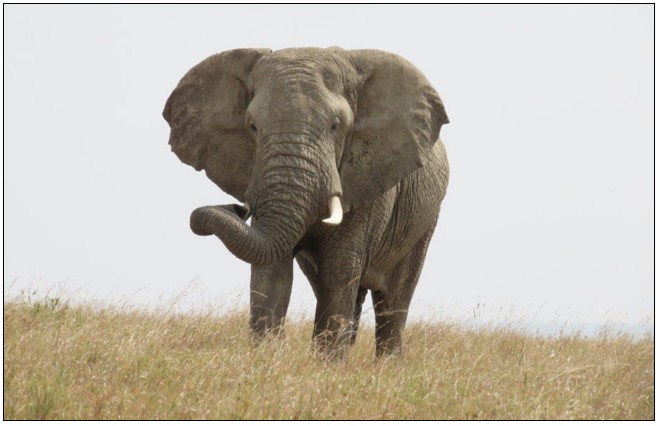
Before you decide, look at the examples below — these are the photos that convinced me this camera was worth bringing on safari.
Why Trust My Opinion?
I’ve spent more than 30 years photographing wildlife around the world, from kangaroos in Australia to lions in Africa and black bears in Alaska. My inbox is full of people asking “What camera do you use?” The only answer: Canon SX70.
I’m not a professional wildlife photographer, and that’s part of why I recommend it so strongly. I’m a traveler who wants great photos without hauling heavy gear, and almost every photo on this website was taken with the SX70.

Why the Canon SX70 Is the Best Camera for Safari
In my experience, the Canon SX70 is the best camera for safari because it gives most travelers the three things they need most: powerful zoom, easy handling, and great image quality without heavy gear.
Incredible Zoom (65x Optical)
The 65x optical zoom is the biggest reason I recommend this as the best camera for safari. From the vehicle, I was able to zoom in on animals hundreds of feet away and still capture impressive detail — no lens swapping needed.

Point-and-Shoot Simplicity
I shoot in Auto mode 90% of the time, and it consistently gets the job done. That means I can focus on the animal instead of fiddling with camera settings. Once you learn where the shutter button is and how to use the zoom, you’ll be all set to take outstanding wildlife shots.


Lightweight and Easy to Carry
At just over a pound, this camera is comfortable to hold all day and easy to pack in a carry-on.

Great Image Quality (20.3 MP)
The colors are rich, the detail is sharp, and I’ve been consistently impressed by how good my wildlife photos look.

Real Viewfinder + Swiveling Screen
The viewfinder is especially helpful in bright sun, and the flexible screen makes it easier to shoot from awkward angles.


Affordable Cost
If you want the best camera for safari without spending thousands on a DSLR and multiple lenses, the Canon SX70 offers a lot of value for about $1500.
Curious about how much it costs today? Check the current price for the Canon SX70.
The Proof – Safari Photos I Took with the Canon SX70
Every photo here was taken with my Canon SX70. No fancy lenses, no complicated gear, and no Photoshop tricks — just a camera that performed beautifully on safari and helped me capture some incredible wildlife moments.
Here are just a few of the 10,000 photos I shot while on safari in Tanzania:


To see more of the animals we saw, visit our Tanzania Photo Album.
What About Other Camera Options?
You could absolutely bring a DSLR or mirrorless camera with interchangeable lenses, but for most travelers, there are real trade-offs:
- heavier to pack and carry
- much more expensive
- steeper learning curve
- slower when animals are moving and you do not have time to switch lenses
I saw plenty of people on safari juggling giant zoom lenses. Meanwhile, I was getting great close-up shots with my Canon SX70 and feeling a lot more relaxed.


Any Downsides to the SX70?
Only two minor ones:
- Low light has limits. After sunset or under heavy forest canopy, image quality drops. In those situations, I usually reach for my iPhone instead.
- Maximum zoom needs a steady hand. For ultra-zoom shots, it helps to brace the camera or use a small tripod. On safari, a bean bag works well against the rooftop or window.
Even so, these trade-offs feel minor compared to the zoom, ease of use, and price.
Before your safari, I highly recommend practicing with your camera on wildlife closer to home. Here are a few great places to start.
Canon SX70 vs Phone Camera on Safari
Your phone is great for selfies, food photos, lodge photos, and wide landscape shots. But for safari wildlife, the zoom is the deal-breaker.
When lions, elephants, giraffes, or birds are far from the vehicle, a phone usually gives you a tiny animal in a big landscape. The Canon SX70 lets you zoom in close enough to capture faces, feathers, eyes, whiskers, and all the details that make wildlife photos exciting.
That’s why I still bring my phone and my Canon SX70 — they do different jobs.
Looking for some easy tips on how to take amazing wildlife photos?

Accessories I Brought on Safari (and Recommend)

If you’re bringing the best camera for safari, these small accessories can make a big difference. Here’s what goes in my “camera bag” (a clear quart sized ziplock):
- 8 Batteries (you’ll go through them!)
- Dual Battery Charger (electricity is often limited in the camps and lodges at night so you can charge twice as fast)
- 128 GB SD Cards (I brought 3 — better safe than sorry)
- USB Card Reader (to back up photos to my laptop each night)
- Lens cloths + spare lens cover
- Rain Sleeve Protector (because lots of dust and occasional rain) – I call it my “raincoat” for my camera! The SX70 needs the smallest size.
- Padded Camera strap with battery pockets (my favorite feature!)
These simple add-ons made a big difference in how smoothly things went on safari. If you’re investing in the best camera for safari, you’ll want to keep it protected and ready.


My Second-Choice Recommendation
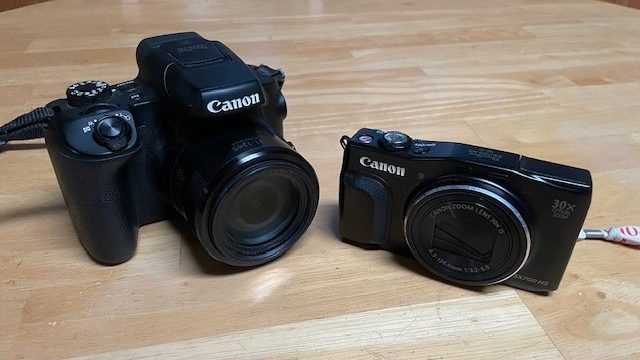
If the SX70 is out of your budget, my second choice is the Canon SX740 HS. I used it for years before upgrading, and I loved it.
The SX740 is smaller and lighter than the SX70, so it is even easier to carry in a pocket or on a lanyard. It has a 40x optical zoom and is a good lower-cost option if you still want much more reach than a phone camera can offer.
Here are a few photos I took in Puerto Rico with the SX740:


Still Deciding If It’s the Right Camera for You?
Q: Is the zoom really good enough for wildlife photography?
A: Absolutely. I’ve used the SX70 to photograph lions, birds, and elephants from 200–300 feet away, and the results are impressively sharp.
Q: Will I outgrow this camera as I get more experienced?
A: I’ve used this camera for years on major trips around the world. It’s simple enough for beginners but still powerful enough as your photography skills grow.
Q: What if I’m not great with tech or camera settings?
A: That’s one of the best things about the SX70. I shoot in Auto mode 90% of the time and I still get photos I’m proud to print and frame.
Summary: Is the Canon SX70 the Best Camera for Safari?
In my opinion, yes.
It’s easy to use, the 65x zoom is incredible, the image quality is impressive, and it is far easier to carry than a heavy camera setup with multiple lenses.
We took this camera across the Serengeti, Tarangire, and Ngorongoro, and it captured everything I hoped for and more. If you want the best camera for safari without a huge learning curve or a huge price tag, the Canon SX70 is the one I recommend.
Ready to Take Amazing Safari Photos?
I hope you have a fabulous time on your safari. It is a true Bucket List experience you will never forget!
More Safari and Tanzania Information:
Here are some more posts about Tanzania and Safaris, including some that I’m still working on. If you’d like to receive emails when I’ve posted new content to the site, please complete the short form above.
- Best Camera for Safari? Simple to Use & Stunning Results
- Amazing Animals In Tanzania: A Safari Photo Adventure
- How to Take Amazing Wildlife Safari Photos – 20 Easy Tips
- What’s an African Safari really like? All the Good & Not-so-Good Parts
- What To Expect On A Safari – 12 Helpful Things to Know
- What to Pack for an African Safari (+ What to Leave at Home)
- Tanzania Travel Facts & Important Tips
Bird and Wildlife Watching Around the World
- Colorful Birds of Costa Rica – A Photo Album
- British Columbia Birds: Birdwatching Adventures in Vancouver & Beyond
- Where are the Best Places to Find Birds in Monteverde, Costa Rica?
- Colorful Birds in Panama – A Bird-watcher’s Dream Come True!
- Best Camera for Safari? Simple to Use & Stunning Results
- How to Take Amazing Wildlife Safari Photos – 20 Easy Tips
- How to Create a Stunning Travel Photo Wall at Home
