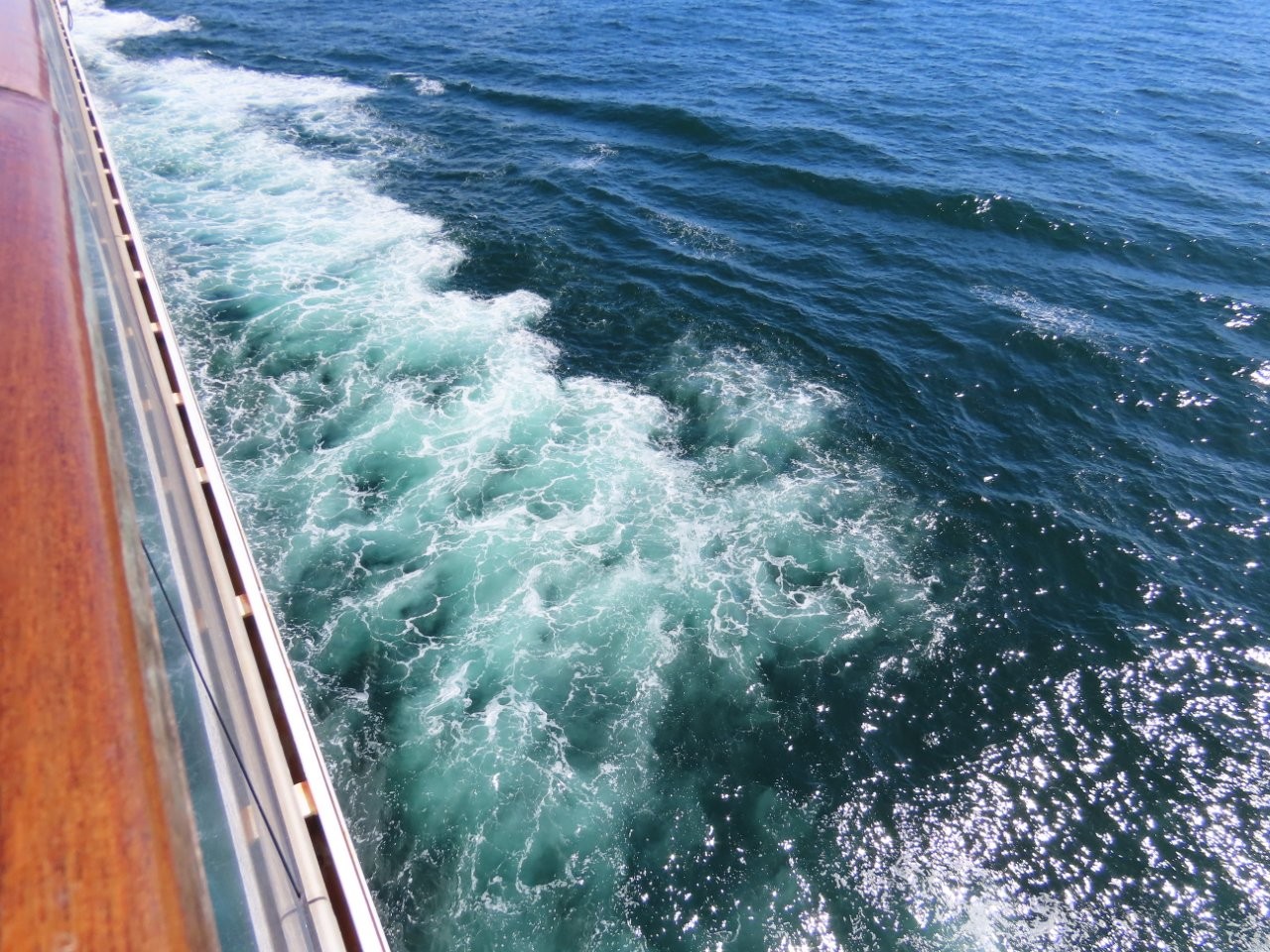
The Drake Passage has a reputation for wild seas, but every crossing is different. Here’s what Bill and I experienced, what friends encountered on an expedition cruise, and how to prepare for the journey to Antarctica.
If you’re planning an Antarctica cruise, chances are you’ve already heard stories about the Drake Passage. Some travelers swear it’s the roughest stretch of ocean on Earth, while others barely remember the crossing. No wonder it’s one of the biggest concerns for first-time visitors.
Bill and I crossed the Drake Passage aboard a scenic Antarctica cruise in January 2026. Our experience was mostly calm, but several of our travel friends had completely different crossings—from glassy seas to spending hours lying flat in bed because of the wild motion.
In this guide, I’ll explain what the Drake Passage is, what causes the infamous Drake Shake, what our crossing was really like, and how to prepare so you can board your Antarctica cruise with confidence instead of anxiety.
Quick Verdict
- Every Drake Passage crossing is different. You won’t know exactly what conditions you’ll have until the day before—or sometimes even the day of departure.
- Bill and I experienced mostly a Drake Lake with just a little Drake Shake, while our friends had everything from calm seas to much rougher crossings.
- The ship’s Captain and Bridge Crew continuously monitor weather and sea conditions and will adjust departure times or routes whenever possible to provide the safest and most comfortable crossing.
- Prepare for rough seas, but don’t expect them. For most travelers, the journey across the Drake Passage becomes a small part of an unforgettable Antarctica adventure.
What Is the Drake Passage?
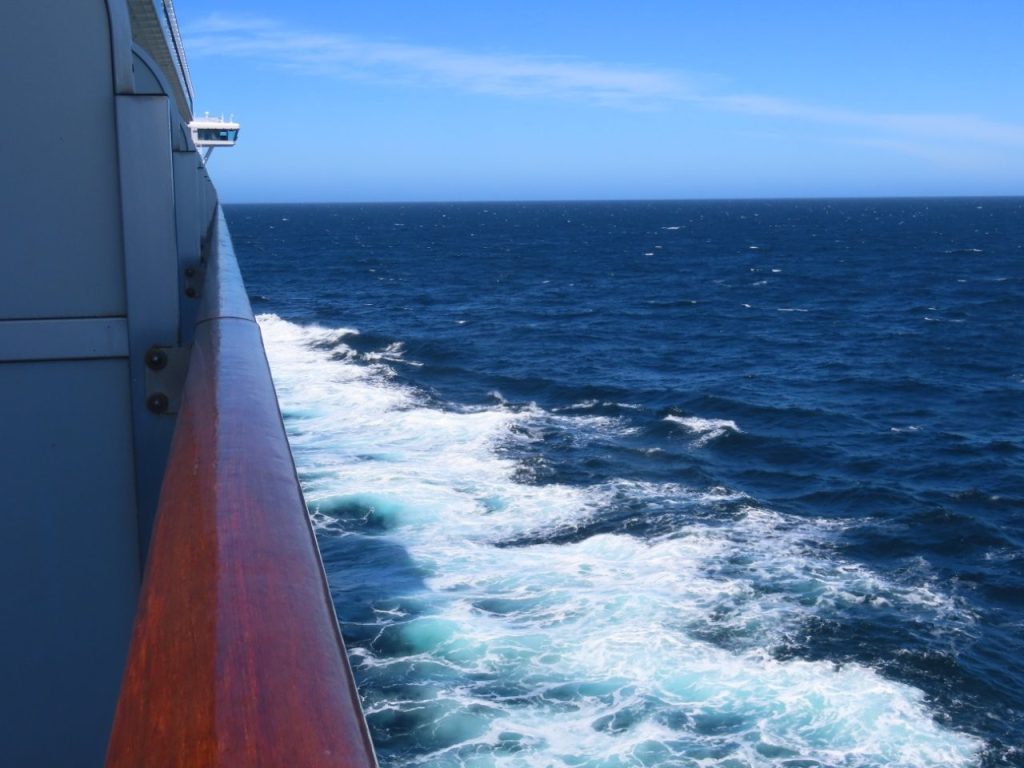
The Drake Passage is the stretch of ocean between the southern tip of South America and the Antarctic Peninsula. It’s about 600 miles long and 500 miles wide. If you’re taking an Antarctica cruise from South America, you’ll cross it on your way to the White Continent—and again on the way back.
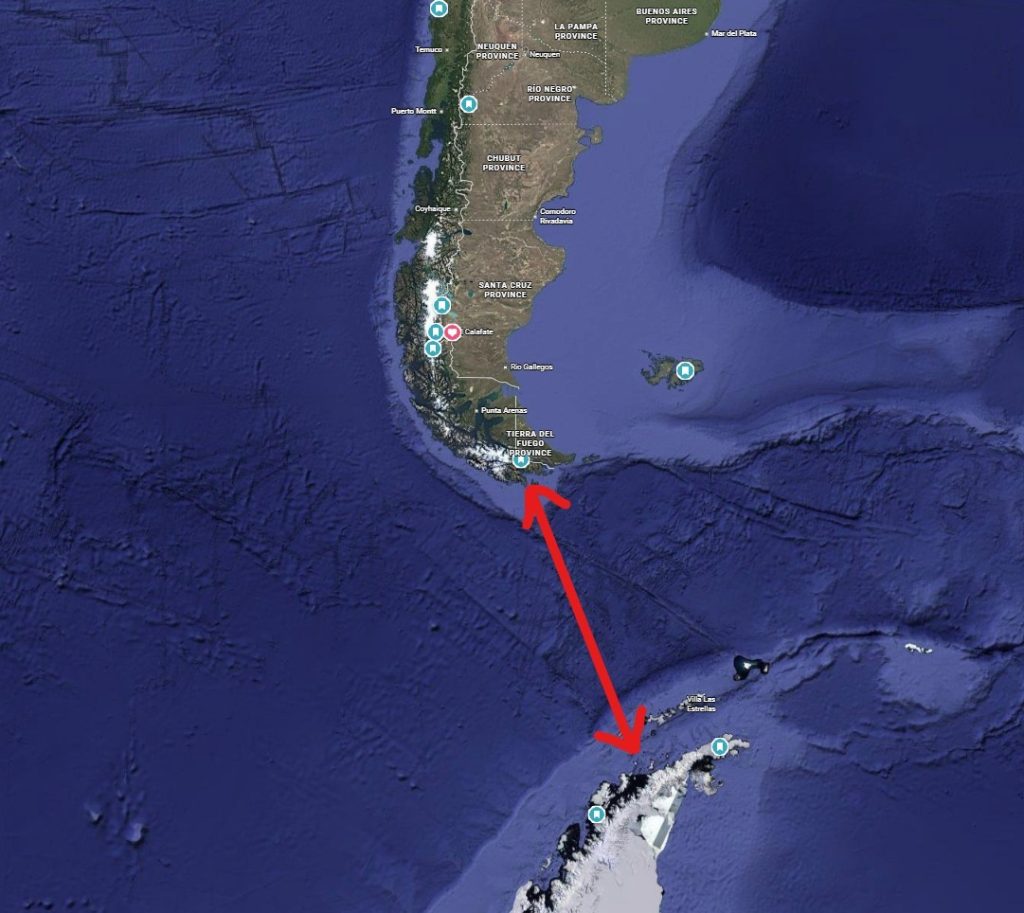
Our scenic cruise took about 24 hours to reach Antarctica from Ushuaia and about 30 hours to return from Elephant Island to the Falkland Islands. Crossing the Drake Passage is simply part of the journey—and for most travelers, it’s well worth it.
Why Is the Drake Passage So Rough?
The Drake Passage has a reputation for rough seas because it’s where the cold water currents of the Southern Ocean converge with the warmer waters of the Atlantic and Pacific. With no major landmass to slow the wind or waves, the ocean can be surprisingly calm one day and incredibly rough the next.
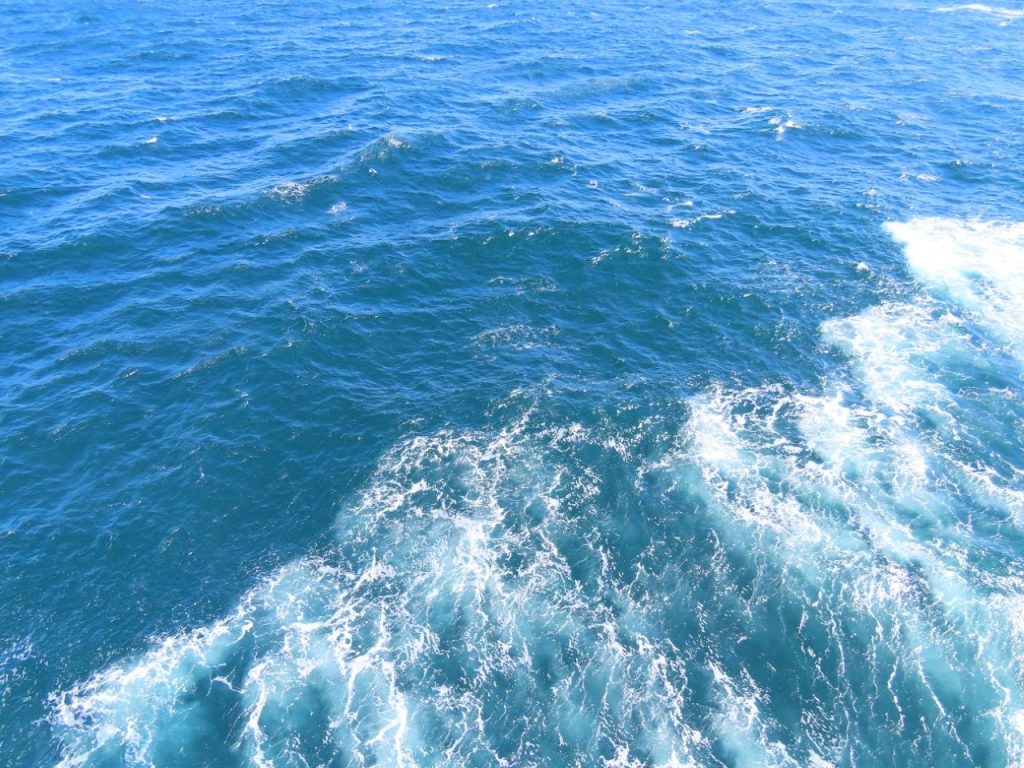
About halfway through the crossing, ships also pass the Antarctic Convergence, where colder Antarctic waters meet warmer northern waters. During our crossing, we noticed the temperature drop about 10 degrees, the water turn from deep blue to a grayer color, and the ship begin rocking a little more. It was an interesting reminder that we were entering one of the most remote places on Earth.
That’s why you’ll hear travelers talk about the Drake Lake (calm seas) or the Drake Shake (rough seas). Which one you’ll experience depends entirely on the weather. No one can predict what conditions you’ll get until shortly before your cruise because the weather changes constantly.
What Our Drake Passage Crossing Was Like
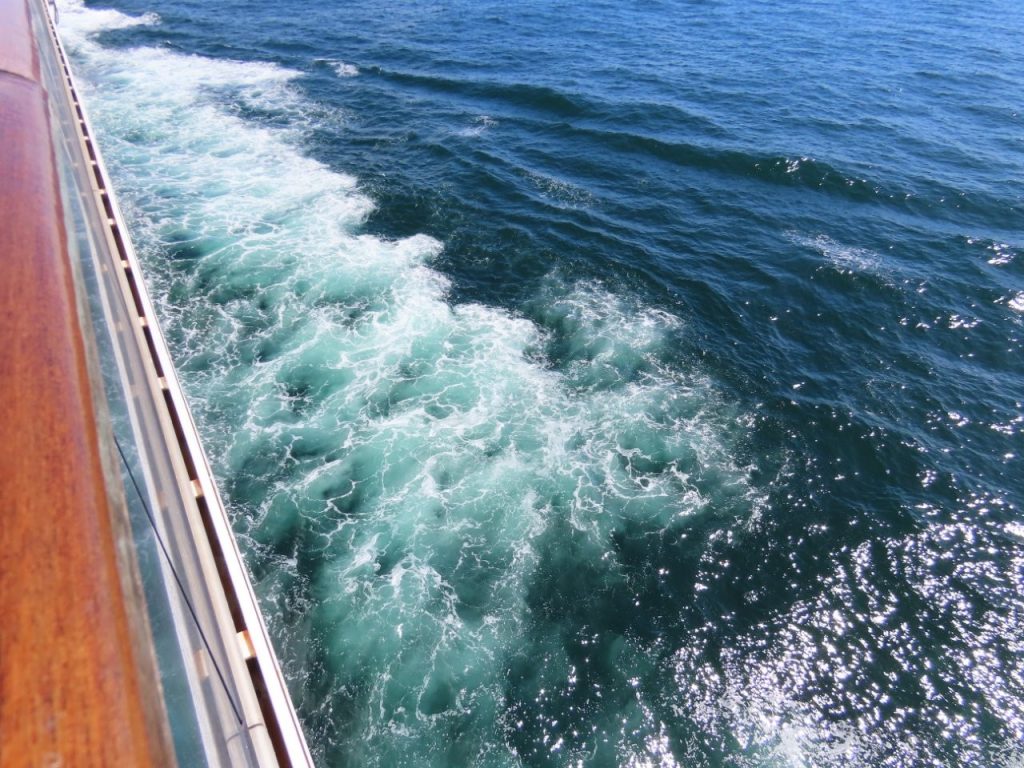
We crossed the Drake Passage twice during our Antarctica cruise in January 2026, and thankfully, neither crossing lived up to the horror stories we’d heard beforehand.
On the way south, the ocean was mostly calm with just enough movement to remind us we were at sea. We spent the day attending naturalist presentations and watching seabirds from our balcony. As we crossed the Antarctic Convergence, the air turned noticeably colder, the water changed from deep blue to a grayer color, and the ship started rocking a little more—but it was never enough to keep us from enjoying the day.
Our return crossing was a little longer, about 30 hours, but still relatively mild. We had what most people would call a Drake Lake with a little Drake Shake mixed in. Looking back, it became a small part of an unforgettable Antarctica adventure.

Tips for Crossing the Drake Passage
You can’t control the weather, but you can be prepared if the seas turn rough.
- Start your motion sickness medication before the ship enters the Drake Passage, not after you start feeling sick. We brought Dramamine and Bonine pills.
- Bring more than one remedy. What works for one person may not work for another.
- Use the handrails when walking around the ship—even if you feel fine.
- If you start feeling queasy, spend time looking out at the horizon instead of reading or staring at your phone.
- When choosing your cabin, a mid-ship location on a lower deck generally experiences less motion.
- Don’t panic if the forecast looks rough. Captains will adjust departure times whenever possible to provide the safest and most comfortable crossing.
Kari’s Travel Tip: Don’t let fear of the Drake Passage keep you from booking an Antarctica cruise. Prepare for rough seas, hope for a Drake Lake, and focus on the incredible destination waiting on the other side.

One thing you CAN control is what you pack. My Packing List for Antarctica Guide covers the layers, gloves, rain gear, and other items that kept us comfortable throughout the voyage.
Real Drake Passage Experiences From Our Friends
The biggest lesson we learned was that no two Drake Passage crossings are alike.
- A group of our travel friends sailed from Ushuaia shortly after we did, and their Captain actually moved their departure up by about six hours to get ahead of an approaching weather system. They also enjoyed mostly calm seas.
- Our friends Kirsten and Peter had a completely different experience. Their ship encountered much rougher conditions, and for about 24 hours, they stayed pretty much horizontal in bed because standing or walking made them seasick. Once they finished the crossing and the seas settled, they were able to enjoy the rest of their Antarctica adventure.
- Then there’s our friend Paula, who was fortunate enough to experience a classic Drake Lake with calm water for her entire crossing.
The takeaway? There simply isn’t a “normal” Drake Passage crossing. You won’t know exactly what conditions you’ll get until the day before—or sometimes even the day you sail.
Frequently Asked Questions
Is the Drake Passage always rough?
No. Some travelers experience a calm Drake Lake, while others encounter the more famous Drake Shake. Every crossing is different, and conditions can change from one day to the next.
How long does it take to cross the Drake Passage?
Most Antarctica cruises take about two days to cross the Drake Passage. Our southbound crossing from Ushuaia to the Antarctic Peninsula took about 24 hours, while our return crossing to the Falkland Islands took about 30 hours.
What is the best way to avoid seasickness on the Drake Passage?
Be prepared. Start your preferred motion sickness medication before the crossing begins, stay hydrated, eat light meals, and use the handrails if the ship is moving. Since different remedies work for different people, it’s a good idea to bring more than one option.
Can cruise ships avoid the Drake Passage?
Not if you’re sailing from South America to Antarctica. The Drake Passage is the route between Ushuaia Argentina and the Antarctic Peninsula.
Many travelers worry more about crossing the Drake Passage than the cost of the cruise itself. If you’re still budgeting for your trip, here’s exactly what our Antarctica cruise cost.
Is Crossing the Drake Passage Worth It?
Absolutely.
Yes, the Drake Passage can be rough. But it can also be surprisingly calm, and no matter what conditions you get, the crossing is temporary. Before you know it, you’ll be surrounded by towering glaciers, sculpted icebergs, curious penguins, and whales surfacing alongside the ship.
If you’re nervous, that’s completely normal. Prepare for rough seas, pack a few motion sickness remedies, and trust your captain and crew to make your safety their top priority. Thousands of travelers cross the Drake Passage every Antarctica season—and before long, you will too.
Don’t let two days on the ocean keep you from experiencing one of the most extraordinary places on Earth. Chances are, once you reach Antarctica, crossing the Drake Passage will fade to just another part of the adventure.
More Info on Antarctica
Here are some more guides about Antarctica. If you’d like to receive emails when I’ve posted new content to the site, please complete the short form above.
- Antarctica Cruise: Scenic Vs. Expedition – Which Is Right For You?
- Antarctica Cruise Cost: Can You Afford This Bucket List Trip?
- Best Time to Visit Antarctica: When Should You Go?
- Packing List for Antarctica: A Scenic Cruise Packing Guide
- Surviving the Drake Passage to Antarctica: A First-Timer’s Guide
- Antarctica Wildlife: What Animals Can You See On An Antarctica Cruise?
- Sapphire Princess: Everything You Need To Know Before You Sail
