I expected penguins. I didn’t expect Antarctica’s wildlife to leave me speechless.
When we booked our cruise, I couldn’t stop wondering what Antarctica wildlife we’d actually see. Would there really be thousands of penguins? Would we spot whales? Were seals as common as everyone said?
After spending four unforgettable days cruising through the Antarctic Peninsula—and visiting the Falkland Islands, Beagle Channel, and southern Chile—I came home with thousands of photos and a camera roll full of wildlife encounters I never expected.
From curious Gentoo Penguins porpoising through icy water to humpback whales lunge-feeding just off the ship, nearly every day brought a new surprise.
In this guide, I’ll share the animal and bird species you’re most likely to see on an Antarctica cruise as well as tips for photographing Antarctica’s incredible wildlife. Most of these photos are my own, but my friend John Barrett was kind enough to share a few of his magnificent photos as well.

Antarctica Wildlife at a Glance
During our four days cruising through the Antarctic Peninsula, we spotted:
- Gentoo Penguins
- Chinstrap Penguins
- Adélie Penguins
- Leopard Seals
- Humpback Whales
- Southern Giant-Petrel
- Black-browed Albatross
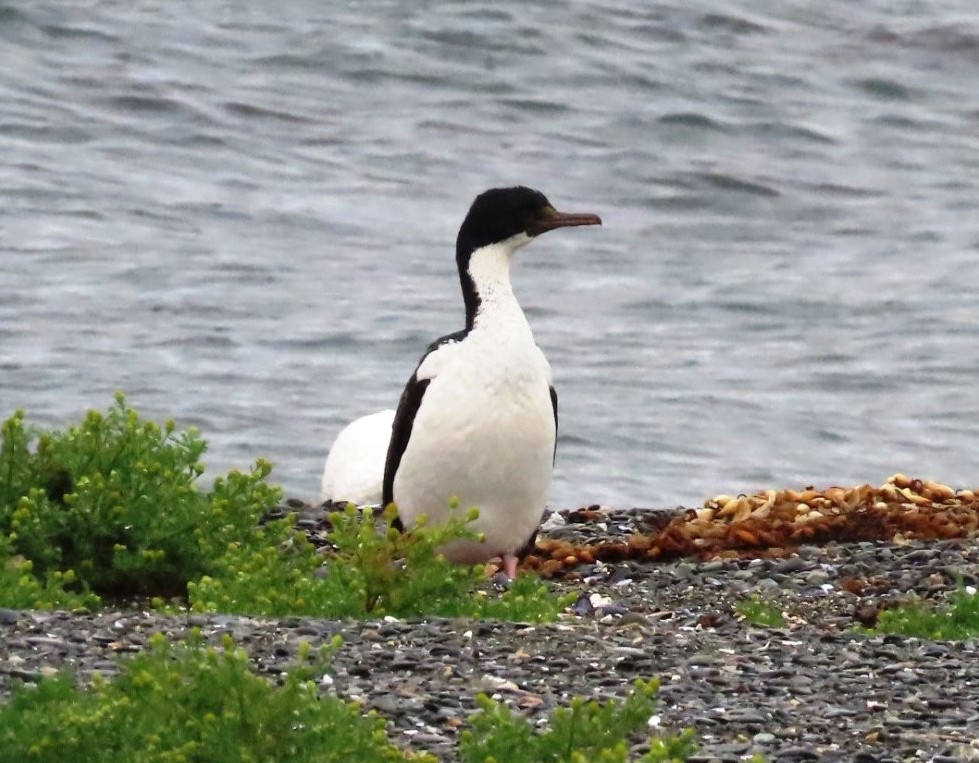
- Imperial Cormorant
- South American Tern
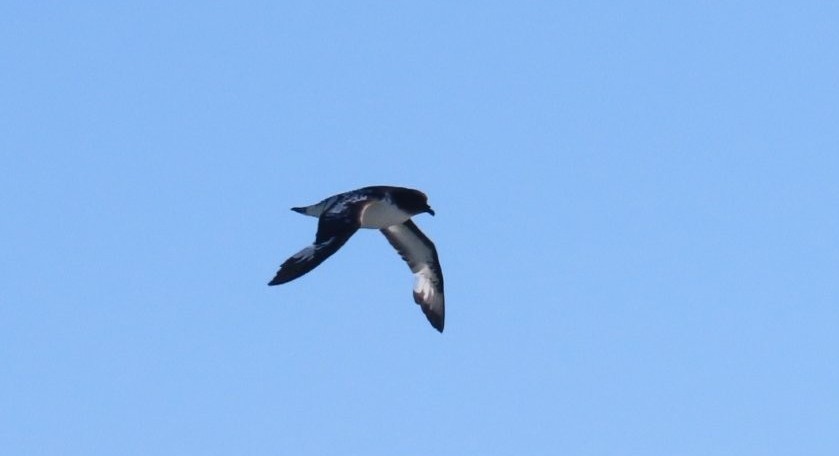
- Pintado Petrel
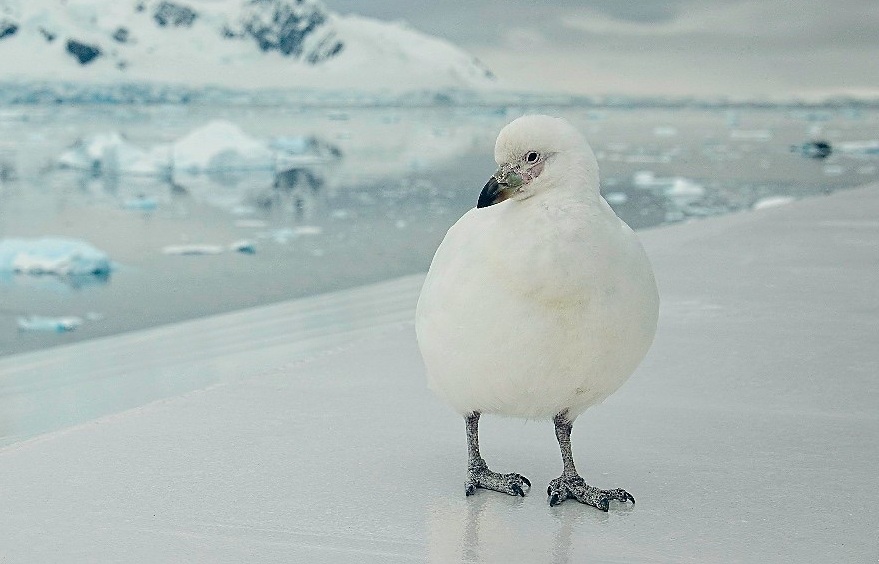
- Snowy Sheathbills
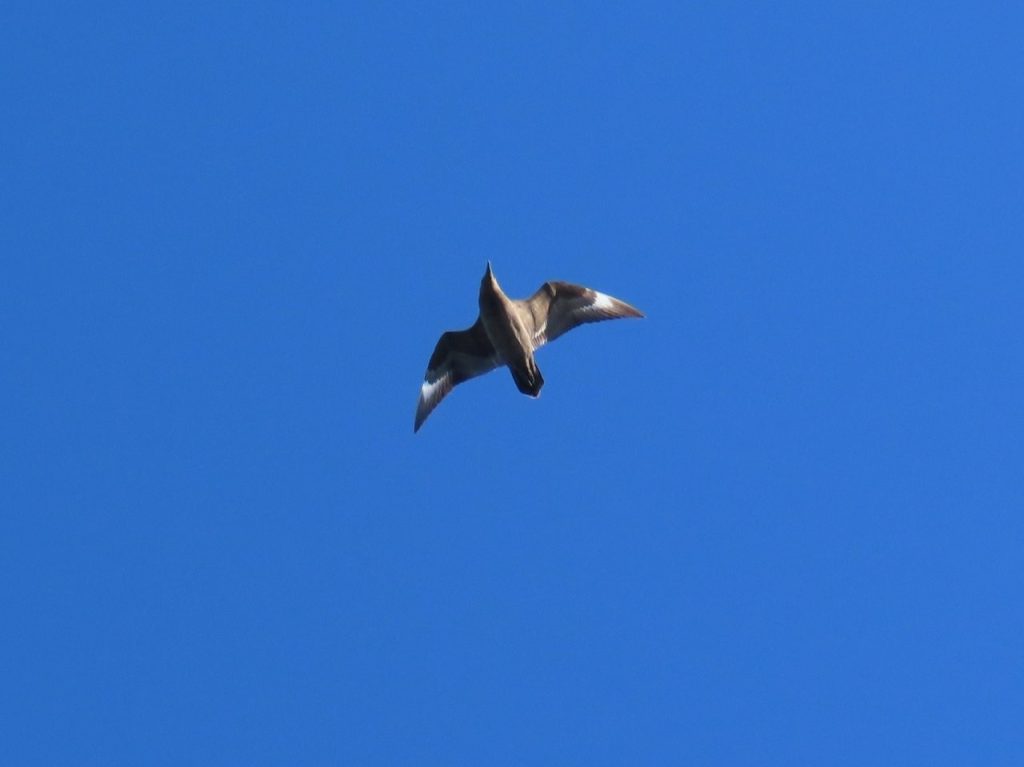
- South Polar Skua
- Southern Fulmar
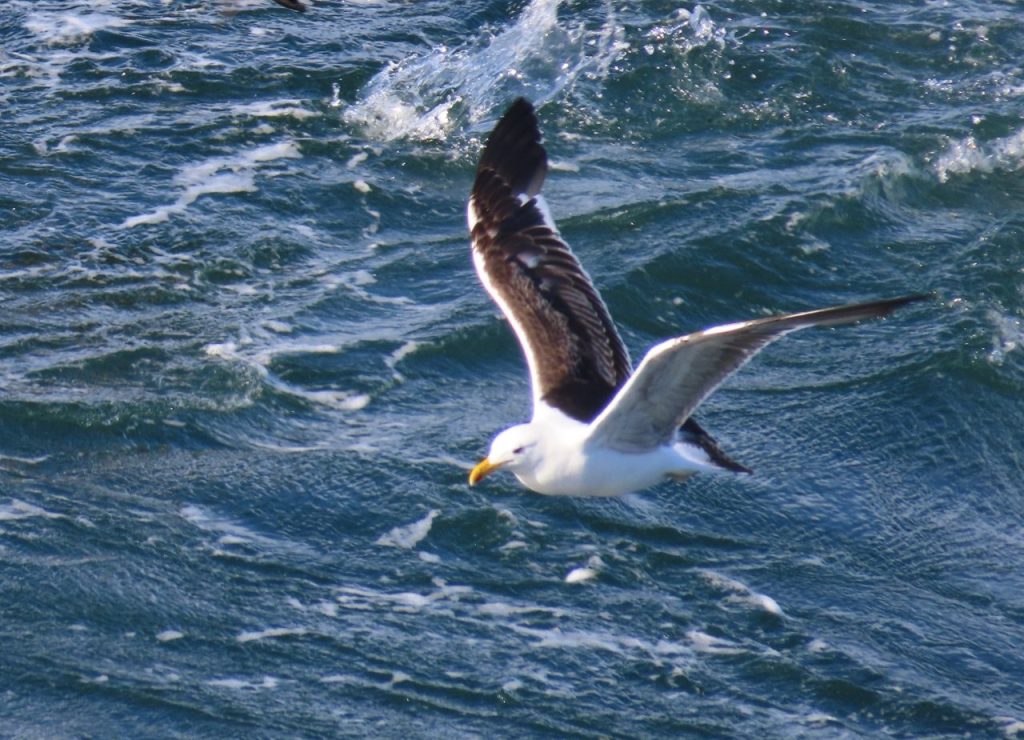
- Kelp Gull
Our itinerary also included the Falkland Islands, Beagle Channel, and southern Chile, where we saw King Penguins, Magellanic Penguins, Magellanic Cormorants, Steamer-Ducks, Austral Thrush, Magellanic Oystercatchers, and many other seabirds.
Penguins were undoubtedly the stars of the show, but they weren’t the only wildlife that made this trip unforgettable. From humpback whales surfacing beside the ship to leopard seals lounging on ice floes and seabirds soaring overhead, there was always something to watch.
Penguins: The Stars of Antarctica
Penguins were the animals I was most excited to see, but I honestly expected them all to look pretty much the same. That changed quickly once our onboard naturalists began pointing out their different markings, sizes, and behaviors.
Across the Antarctic Peninsula and Falkland Islands, I photographed five different penguin species—and seeing them in such different environments became one of my favorite parts of the trip.
Gentoo Penguins
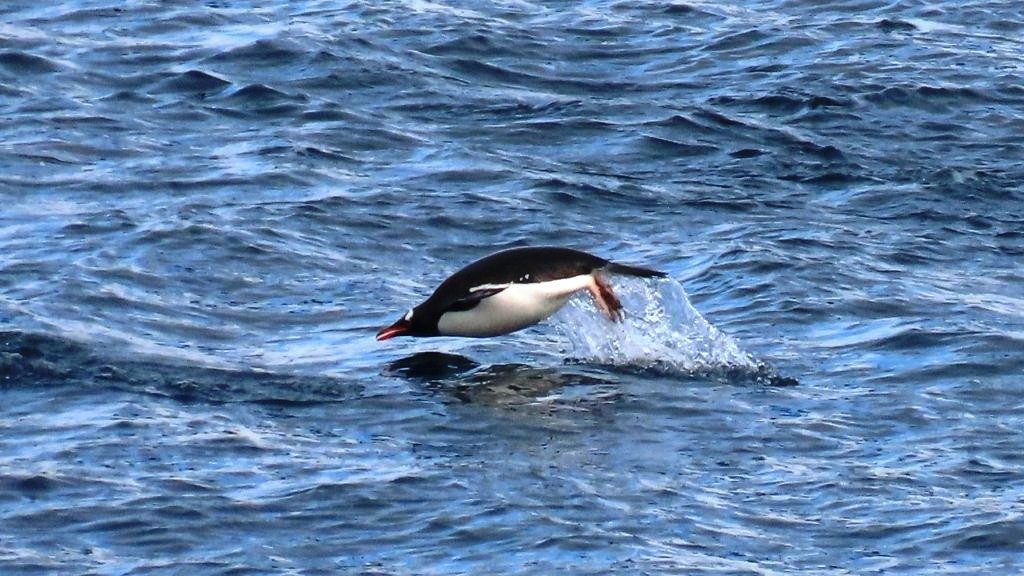
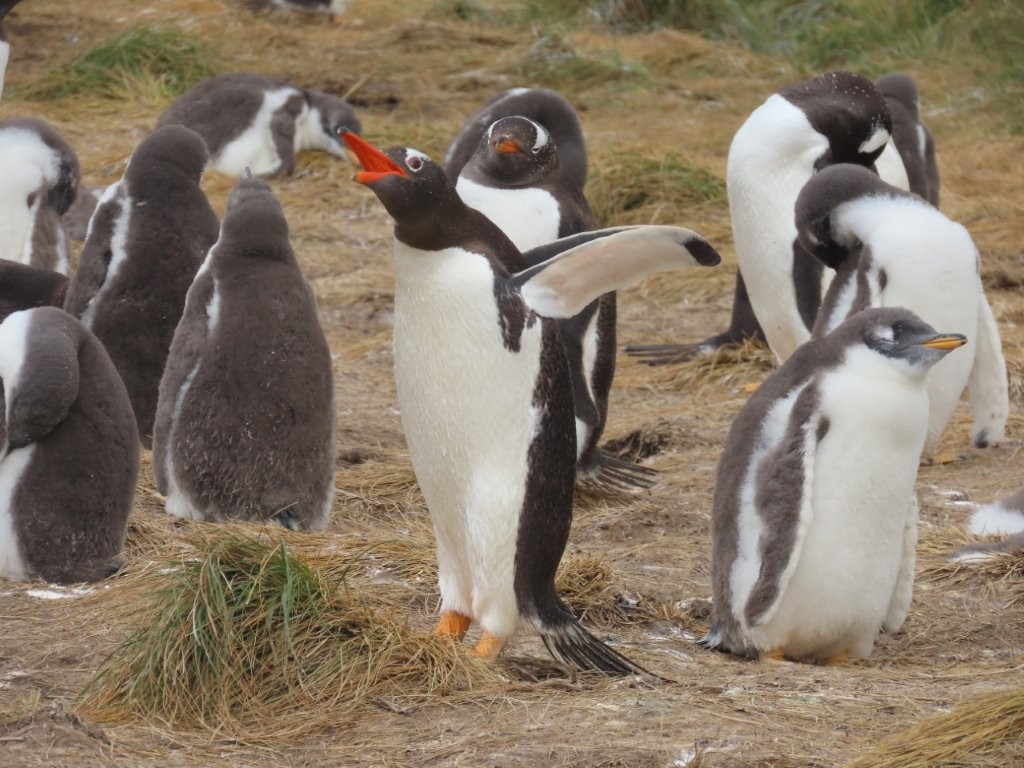
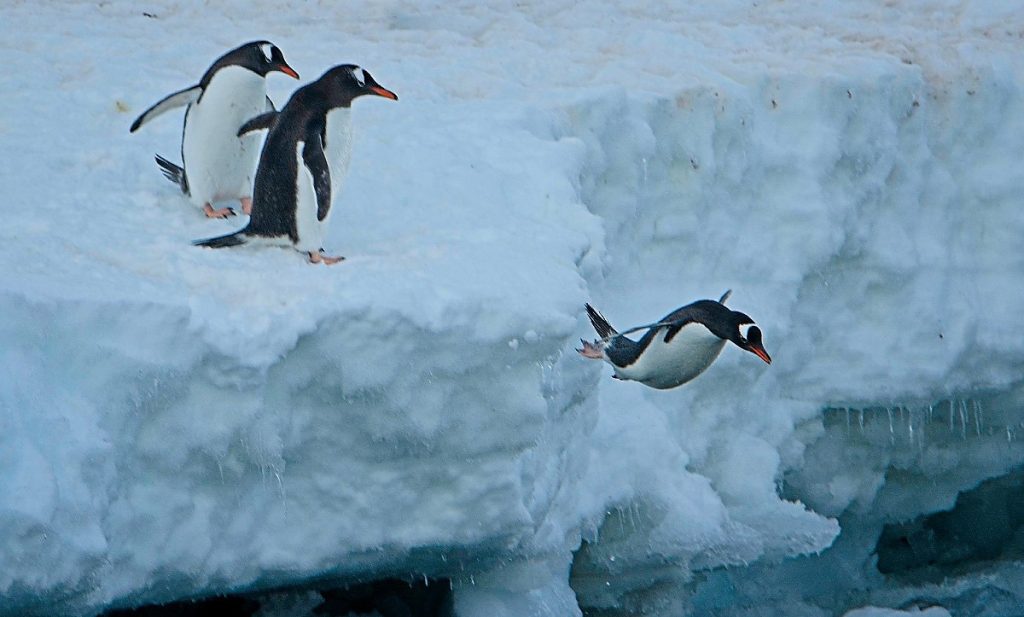
Gentoo Penguins were the species we saw most often around the Antarctic Peninsula, literally by the thousands. Once our naturalists pointed out the white stripe across the top of their heads and their bright orange bills, I started recognizing them immediately.
My favorite Gentoo moments happened in the water. I loved watching them porpoise alongside the ship, repeatedly launching themselves above the surface before plunging back into the icy sea. It was just like watching dolphins at home in Florida.
Chinstrap Penguins
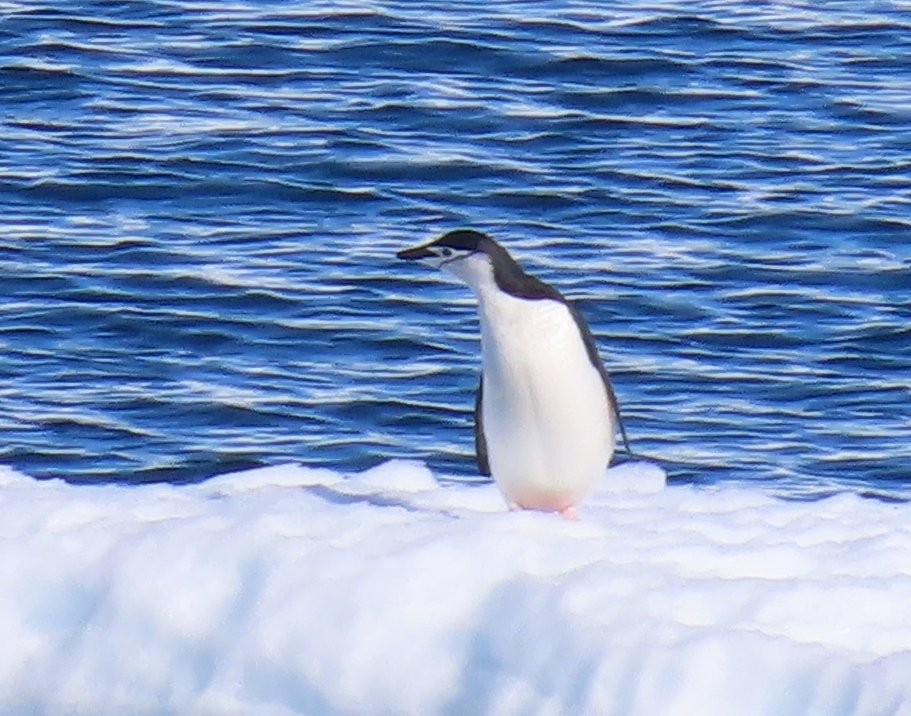
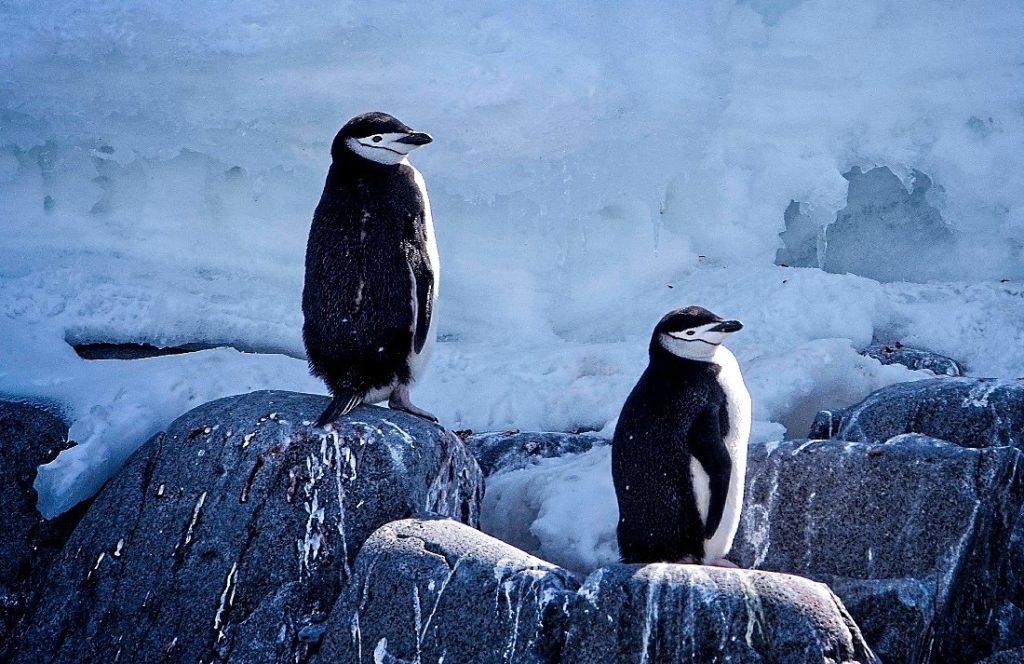
Chinstrap Penguins quickly became one of my favorite species to photograph. The narrow black line running beneath their chin made them easy to recognize, even from the ship.
They always seemed busy—calling, climbing, turning, or interacting with another penguin. That constant activity gave me far more interesting photos than a penguin simply standing still.
Adélie Penguins
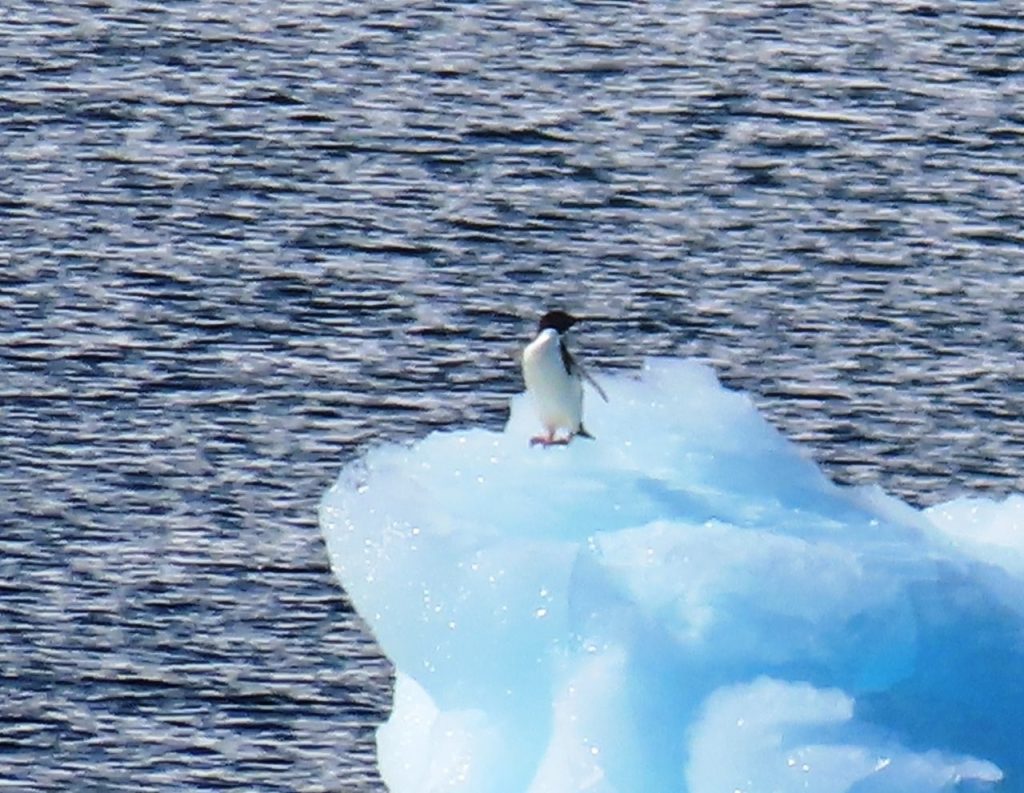
Adélie Penguins looked exactly like the classic Antarctica penguins I had pictured before the trip. Their black heads, white bellies, and thin white eye rings gave them an almost cartoon-like appearance.
Photographing an Adélie standing against the snow and ice was one of those moments when Antarctica finally looked exactly as I had imagined it would.
King Penguins
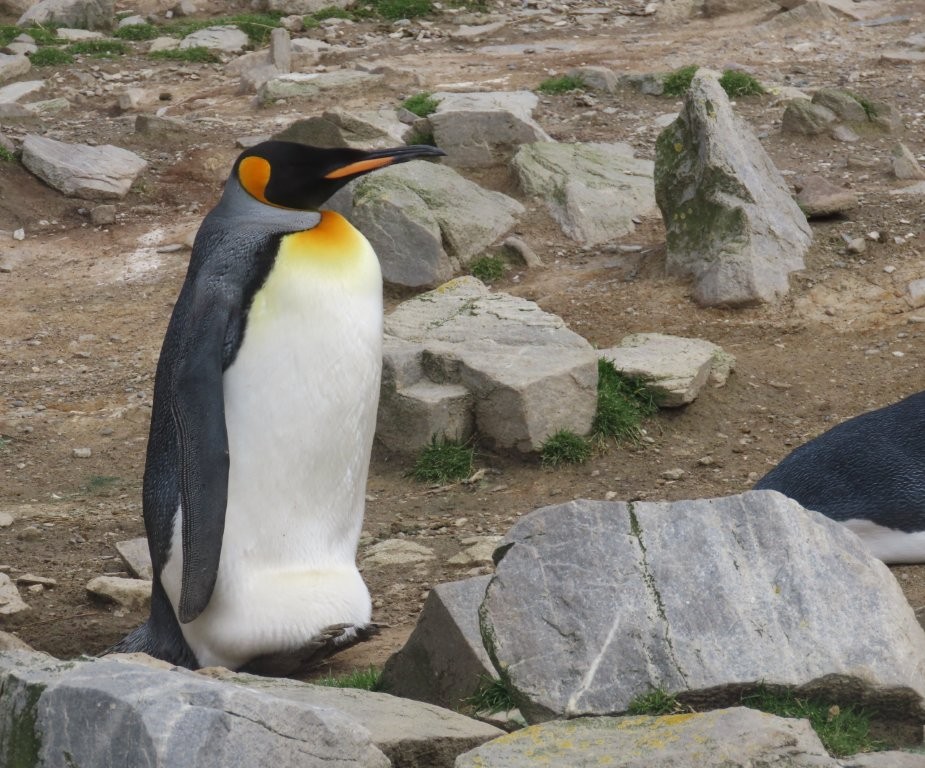
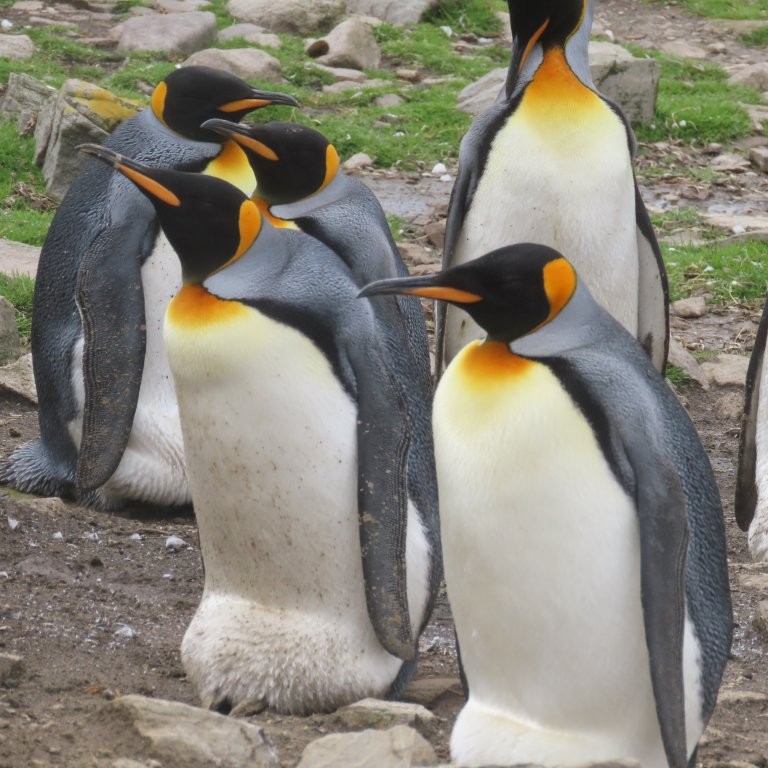
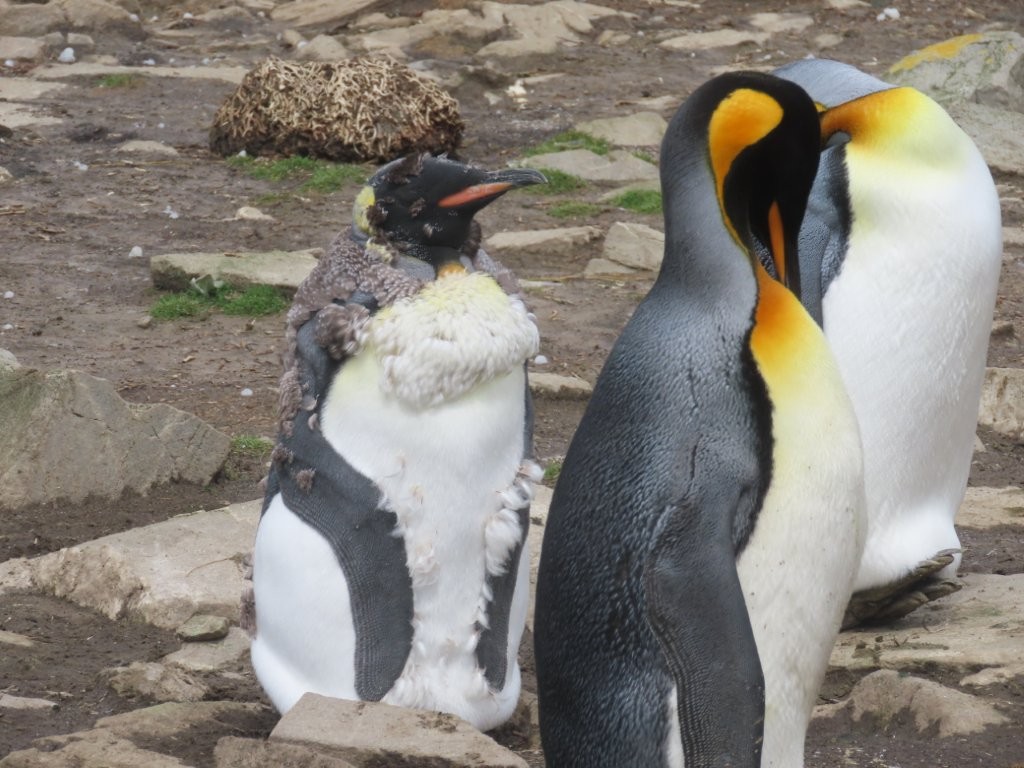
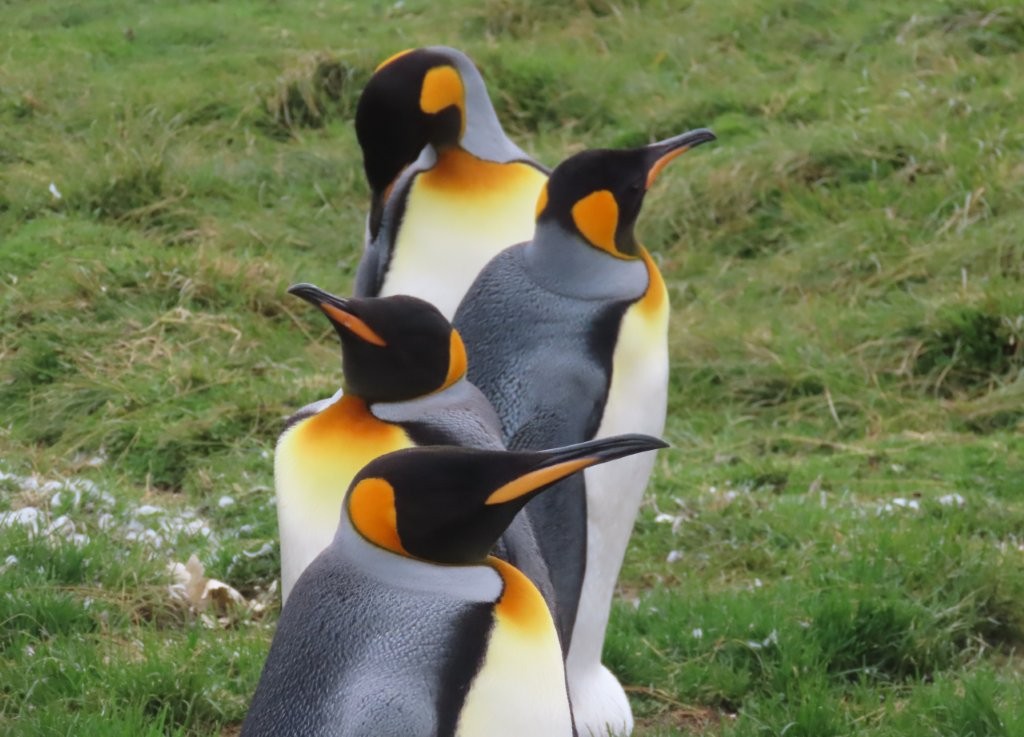
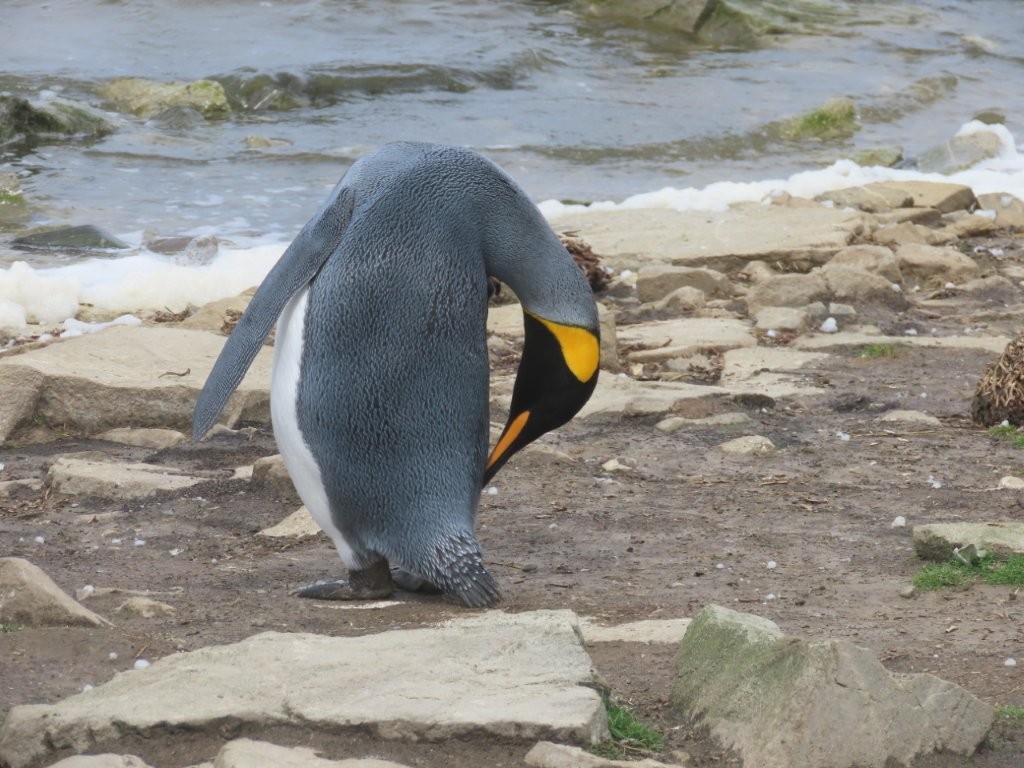
King Penguins were one of the highlights of our visit to the Falkland Islands. They’re the second-largest penguin species in the world and are instantly recognizable by the bright orange patches on their necks and heads. Their size and colorful markings make them hard to miss.
Magellanic Penguins
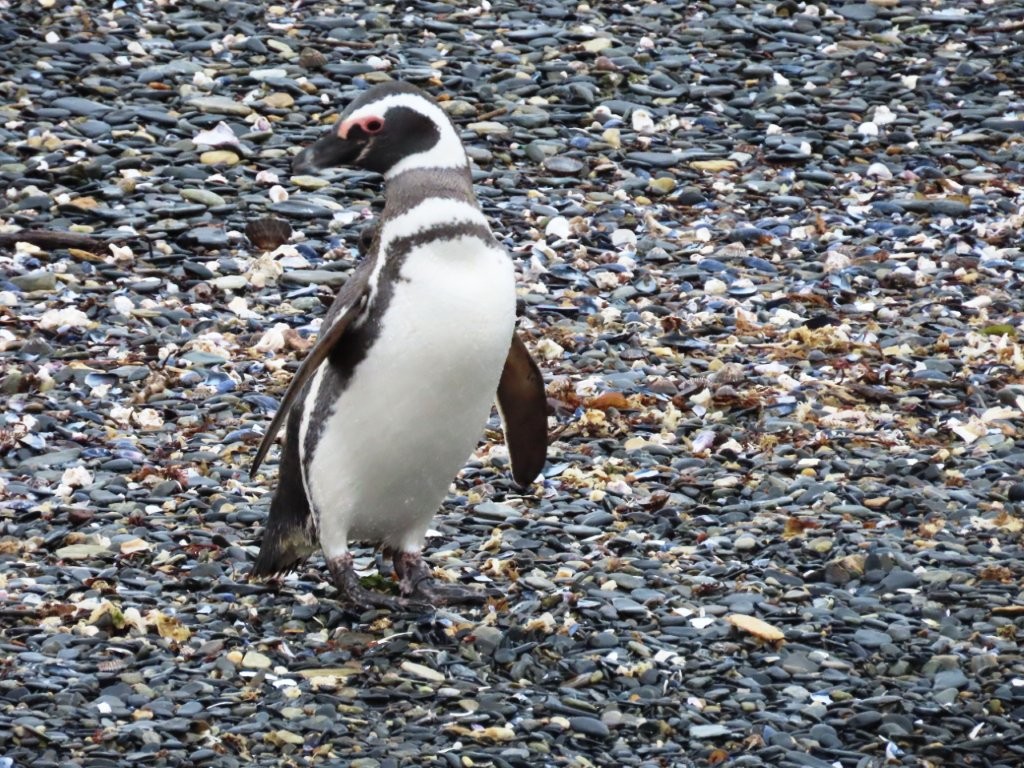
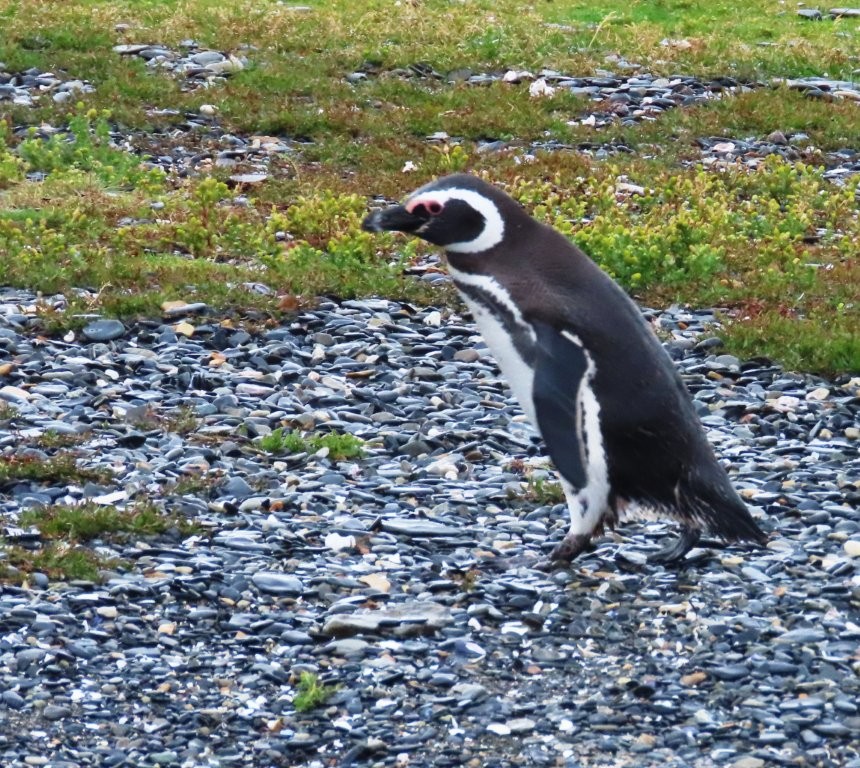
We saw Magellanic Penguins before even reaching Antarctica when we were in the Beagle Channel near Ushuaia Argentina on our second port of call. Unlike the brush-tailed penguins we saw on the Antarctic Peninsula, Magellanic Penguins belong to the banded penguin group and are commonly found along the coasts of southern South America and the Falkland Islands.
What About Emperor Penguins?
Emperor Penguins are the penguins everyone dreams of seeing. As the world’s largest penguin, they live much farther south on the Antarctic continent and breed on sea ice during the Antarctic winter. Most Antarctica cruises—including ours—don’t travel to Emperor Penguin colonies, so spotting one is extremely rare unless you’re on a specialized expedition.

Humpback Whales
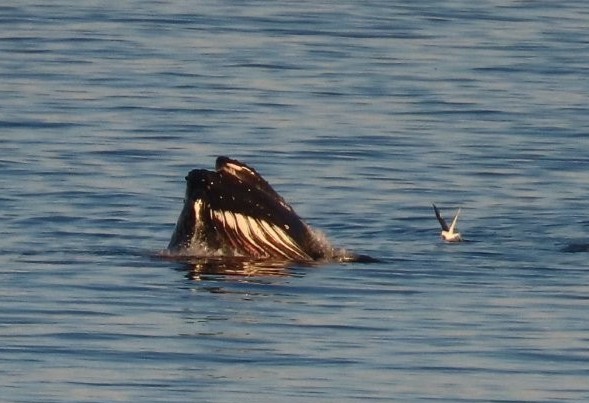
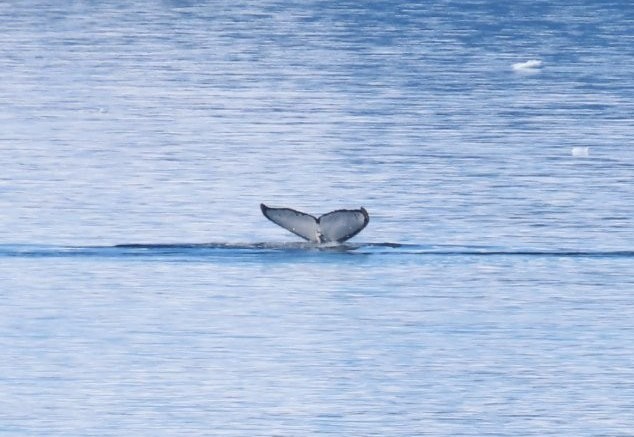
Seeing humpback whales in Antarctica was one of the highlights of our cruise. Several times, we watched them surface alongside the ship, exhaling a towering mist before disappearing beneath the icy water. We were even lucky enough to witness a humpback breaching—a breathtaking moment that had everyone on deck reaching for their cameras.
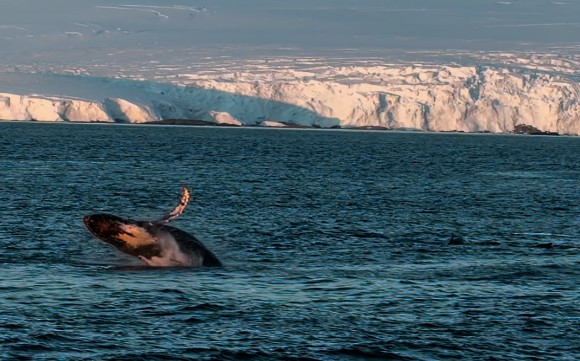
After that, whenever we were passing through an area with whale activity, I kept my camera right beside me and watched for blows, tails, and movement in the water. Antarctica taught me that the best wildlife moments happen when you least expect it.
Leopard Seals
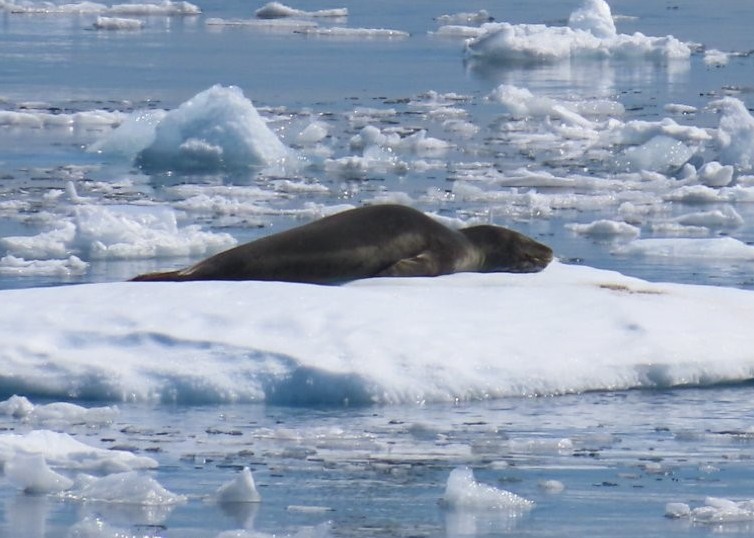
Leopard seals may spend much of the day stretched out on ice floes, but don’t let their relaxed appearance fool you. These sleek predators are among Antarctica’s top hunters, feeding on penguins, fish, squid, and even other seals.
From the deck, we watched leopard seals stretched across floating ice as though they had no reason to move. Their spotted coats and long, almost reptilian-looking heads made them noticeably different from the other seals I had seen before.
Because they remained on the ice, I had time to steady my camera against the railing, zoom in, and photograph details I would have missed during a quick sighting in the water.
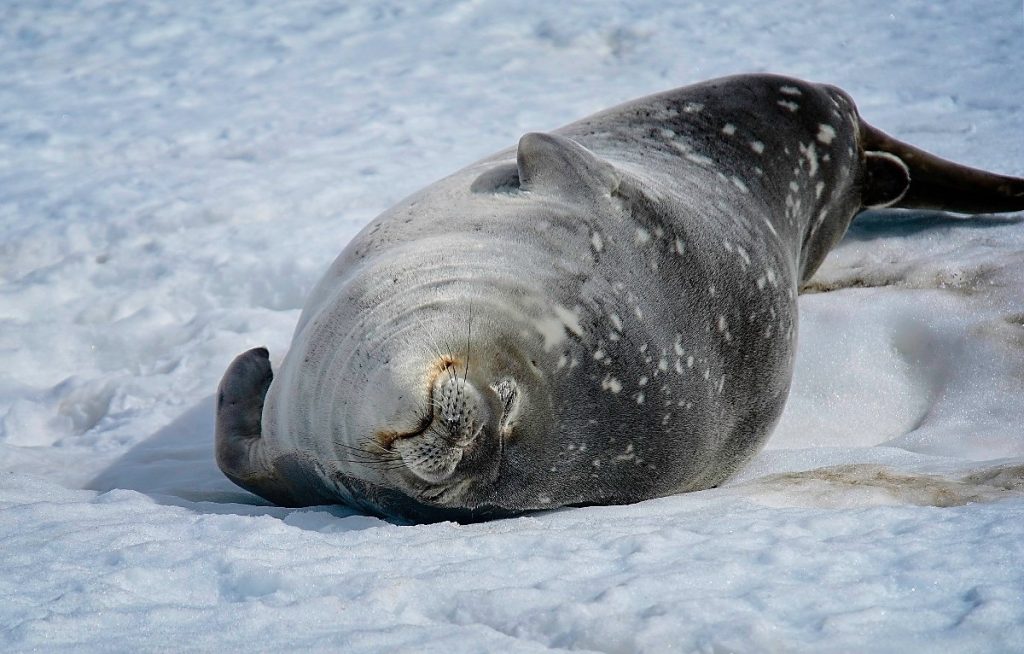
Weddell Seals
We were not lucky enough to spot the Weddell Seals, but my friend John did on his trip to Antarctica.
Seabirds of Antarctica
While penguins are the stars of the show, Antarctica is also a fantastic destination for bird watchers. I found myself scanning the skies almost as often as I searched the water for whales because there was always another seabird gliding overhead or following along behind our ship.
During our Antarctica cruise and the surrounding ports, I photographed more than 25 different bird species. Highlights included Black-browed Albatrosses, Southern Giant-Petrels, Imperial and Magellanic Cormorants, Pintado (Cape) Petrels, Southern Fulmars, Snowy Sheathbills, South Polar Skuas, South American and Antarctic Terns, Kelp Gulls, Falkland Steamer-Ducks, and Magellanic Oystercatchers.
I kept a running bird list throughout the journey, and the species changed continually as we sailed from southern Chile through the Beagle Channel, into the Antarctic Peninsula and then to the Falkland Islands.
Why the Falkland Islands Belong on a Antarctica Wildlife Lover’s Itinerary
Some of our closest and most memorable penguin encounters did not happen in the Antarctic Peninsula. They happened during our cruise stop at Port Stanley in the Falkland Islands.
At Bluff Cove Lagoon, we were able to spend time walking near King, Gentoo, and Magellanic Penguins in their natural environment. I could watch their expressions, interactions, and quirky movements from much closer—while of course always following the required wildlife boundaries.
The King Penguins immediately captured my attention with their height and vivid orange markings, but I loved the smaller moments just as much. Babies peeking out from the tops of their feet, the Penguins waddling across the grass, resting near the beach, interacting with one another, and occasionally appeared to be just as curious about us as we were about them.
Unfortunately, Bluff Cove closed at the end of the 2026 season when the owners retired. I’m incredibly grateful that we experienced it while we could, and I sincerely hope a new owner finds a way to continue it.
The second place we visited in the Falklands was Gypsy Cove – we took a bus from right near the tender port out to this remote area. Here we saw Magellanic Oystercatchers, Austral Thrush, Magellanic Penguins, Antarctic Terns and more.
Because cruise excursions and wildlife access can change, check what is available during your sailing. Independent alternatives from Stanley include penguin trips to Volunteer Point and Bertha’s Beach, although the wildlife species, transportation, and amount of time spent at each location vary by tour.
Wildlife Photography Tips
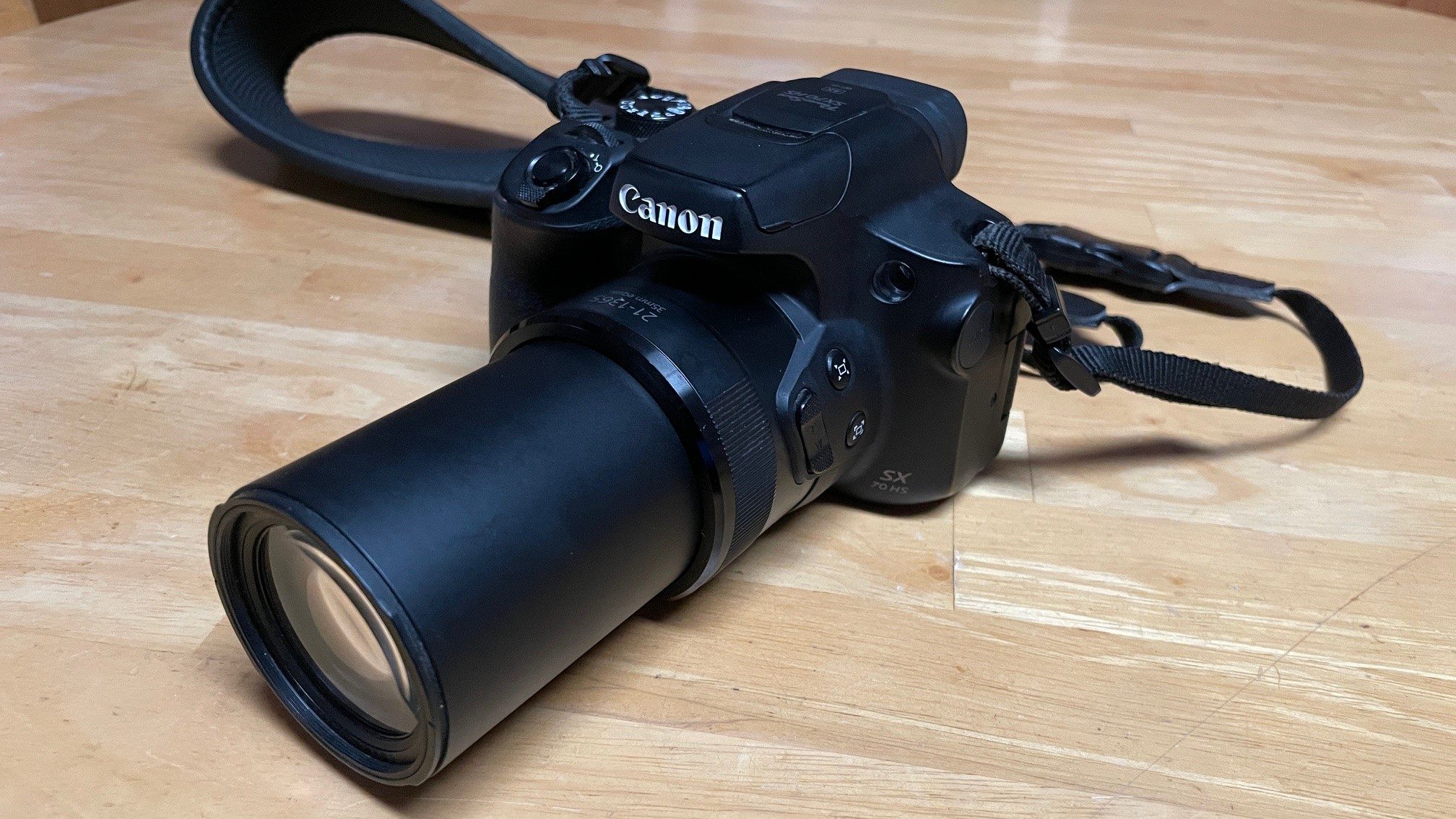
You don’t need expensive camera gear to come home with amazing wildlife photos, but a few simple techniques can make a big difference. Nearly all of the wildlife photos in this article were taken with my Canon SX70, and these are the tips that worked best for me.
Bring the Best Zoom You Have
Wildlife is often much farther away than it appears. While your phone or a wide-angle lens is perfect for Antarctica’s breathtaking scenery, you’ll want the longest zoom lens you have for photographing penguins, whales, seals, and seabirds. My Canon SX70 offers 65x optical and 130x digital zoom.
Keep Your Camera Steady
If you have a tripod, bring it. If not, use the ship to your advantage by resting your camera on your balcony railing or a deck railing whenever possible. Even a little extra stability can make a big difference when using a long zoom lens.
Use Burst Mode
When whales surfaced or birds flew overhead, I switched my camera to rapid-fire mode (sometimes called burst mode) and held down the shutter. Instead of trying to capture the perfect moment with a single photo, I let the camera do the work. Later, I simply picked my favorite images and deleted the rest. This technique helped me capture several shots I would have otherwise missed.
Capture More Than Portraits
Once you’ve taken the classic wildlife photo, look for something different. Photograph penguins porpoising through the water, interacting with one another, or caring for their chicks. Those natural behaviors often tell a much better story than another animal standing still.
Put the Camera Down Occasionally
Every so often, I remind myself to lower the camera, watch the wildlife, and simply enjoy being there. Those moments have stayed with me just as vividly as the photos.
If you’re wondering what camera gear and clothing I used every day, see my Packing List for Antarctica.
Frequently Asked Questions
What camera do you use?
I took almost all of the wildlife photos in this article with my Canon SX70 HS. I love it because the built-in 65x optical zoom lets me photograph distant wildlife without carrying heavy interchangeable lenses. It’s lightweight, easy to use, and was the perfect camera for our four-month trip through South America. Unfortunately, Canon just discontinued it so I will be looking for a replacement to recommend.
Do you need an expedition cruise to see Antarctica wildlife?
No. We took a scenic cruise and saw penguins, humpback whales, leopard seals, and dozens of seabird species from the ship. An expedition cruise will get you closer to the wildlife with Zodiac landings, but you can still have incredible wildlife encounters on a traditional scenic cruise. Here’s a comparison of the two types of cruising.
Are there polar bears and walruses in Antarctica?
No. Polar bears and walruses live in the Arctic, not Antarctica. Antarctica is home to penguins, seals, whales, and seabirds, while the Arctic is known for polar bears, walruses, Arctic foxes, and reindeer.
If seeing polar bears is on your Bucket List, you’ll need to plan a trip to the Arctic instead—our friends Amy and Tim recently took an Arctic cruise and were lucky enough to see both polar bears and walruses.
Final Thoughts: Antarctica Wildlife Is Worth the Journey
I booked this trip expecting penguins, but the wildlife experience became much bigger than that. I watched Gentoo Penguins porpoise through icy water, photographed King Penguins in the Falkland Islands, saw leopard seals stretched across floating ice, and captured a humpback whale breaching beside the ship. I also added more than 25 bird species to my photography collection along the way.
Our scenic cruise did not include Zodiac landings in Antarctica, but I never felt as though wildlife was missing from the experience. Spending hours on the open decks gave me opportunities to photograph whales, seals, penguins, and seabirds, while our stop in the Falkland Islands brought us much closer to the penguins than I had expected.
For me, the combination was ideal. Antarctica gave us the dramatic ice, whales, and truly Antarctic penguin species, while the Falkland Islands gave us intimate wildlife encounters and some of the best bird-watching of the entire journey.
So, is Antarctica worth visiting for the wildlife? Absolutely. Bring the best zoom you have, keep your camera ready, and choose your itinerary carefully. The places your cruise visits may matter just as much as the ship you choose.
More Info on Antarctica
Here are some more guides about Antarctica. If you’d like to receive emails when I’ve posted new content to the site, please complete the short form above.
- Sapphire Princess: Everything You Need To Know Before You Sail
- Antarctica Cruise: Scenic Vs. Expedition – Which Is Right For You?
- Antarctica Cruise Cost: Can You Afford This Bucket List Trip?
- Best Time to Visit Antarctica: When Should You Go?
- Packing List for Antarctica: A Scenic Cruise Packing Guide
- Surviving the Drake Passage to Antarctica: A First-Timer’s Guide
- Antarctica Wildlife: What Animals Can You See On An Antarctica Cruise?
