What’s different about driving in the US and driving in New Zealand?
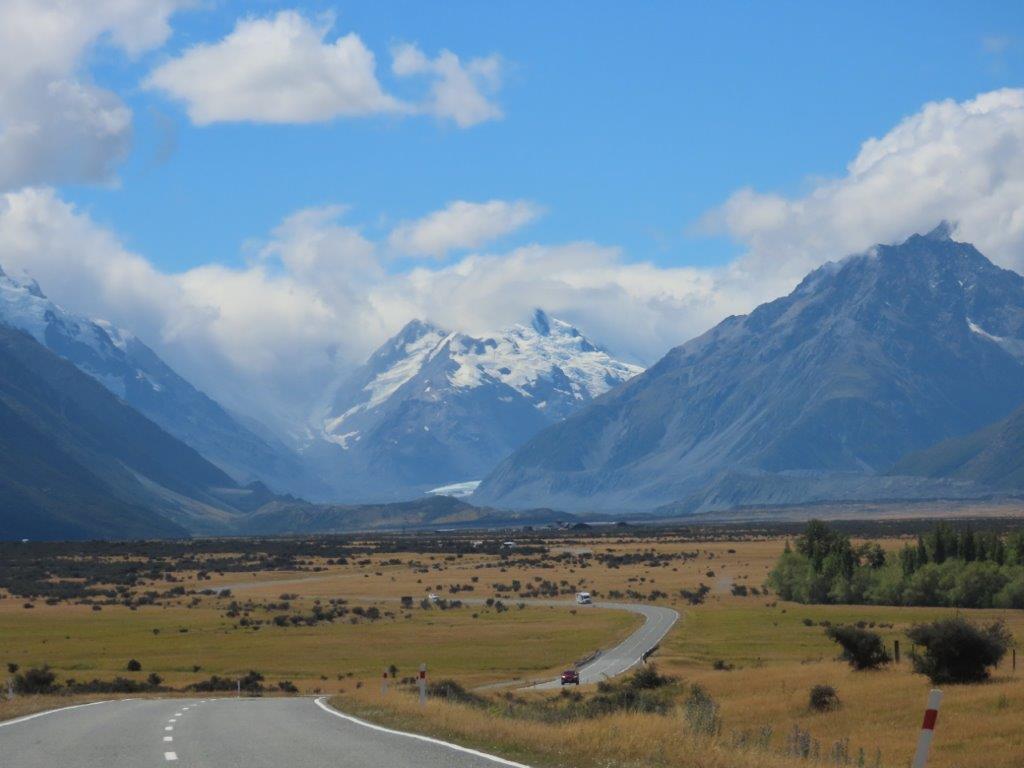
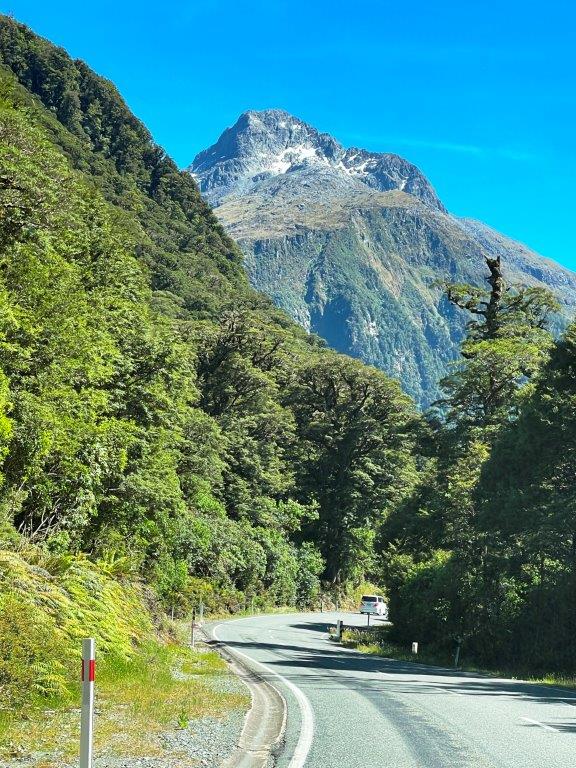
In all our travels around the world, our months-long road trip driving in New Zealand has been one of our favorite Bucket List experiences. Amazing scenery around every turn, stunning mountain vistas, and gorgeous coastlines.
In my opinion, a road trip is the very best way to experience all that New Zealand has to offer. You can stop when you want, explore unplanned areas (I wonder where this road leads to?), and enjoy the fabulous beauty around every corner.
But there are some key differences from what we are used to in the US. Keep reading to learn what driving in New Zealand is really like.


PLAN YOUR TRIP WITH OUR
FAVORITE TOOLS
– Best Lodging site: Booking.com
– Book Day Tours here: Viator.com
– Rent Cars here: RentalCars.com
Things You Need to Know About Driving in New Zealand
Here are some important things you should know about driving in New Zealand
#1 – Drive on the Left Side of the Road
Kiwis drive on the left side of the road AND the steering wheel is on the right side of the car – the opposite of what we do in the US. This takes a little getting used to, but then it’s pretty easy. Here are some helpful tips and facts to know about driving in New Zealand on the left:
- One smart way to think about it is that as the driver, you should always be in the center of the road, and your passenger (if you have one) is on the outside of the road. You are following the center line as you drive.
- Roundabouts (also known as Traffic Circles) are found all over New Zealand. The difference is you drive them clockwise in NZ, veering left as you enter them. All of your exits will be on the left and you should signal your intent to exit. If you miss your exit, simply drive around the roundabout and catch it the next time around.
- No left turn allowed on red stoplights – wait for a green light before turning left.
- The turn signal and the windshield wipers are also opposite, which can be hard to remember.
Someone said you can always tell who’s a Tourist driving in New Zealand because their windshield wipers are going off when they are trying to make a turn! - Remain vigilant throughout your trip. After a few days, you might feel like you’ve mastered driving on the left and let your guard down. But then you pull out of a parking lot on to the road and your at-home habits of driving on the right might accidentally kick in.
- It’s a huge help if you have a co-traveler who can help you navigate the roads, and gently remind you to stay on the left.

#2 – Passing
Because the roads are so narrow, if there are 2-3 cars lining up behind you, you should let them pass. It’s a common courtesy that is expected in New Zealand. Some of the signs will refer to this as “overtaking”
But with most roads being only two lanes, it can sometimes be tricky to do. But there are a couple of options provided – watch for signs that each one is coming up.
- Passing Lane – Often when there is a straight road for a bit, they build in a short passing lane to allow cars to pass on the right. Stay in the left-most lane unless you are the one doing the passing.
- Slow Vehicle Bay – In other places, they will create a small bay on the left side of the road for the slower car to pull off, allowing the cars behind them to pass on the right. It’s not a full lane, but more of a pull off spot.
If another driver takes action to let you pass them, show your appreciation with a quick wave, a thumbs up or a smile. Kiwis are a friendly bunch and it just improves everything when you show some kindness and gratitude.
#3 – One Lane Bridges
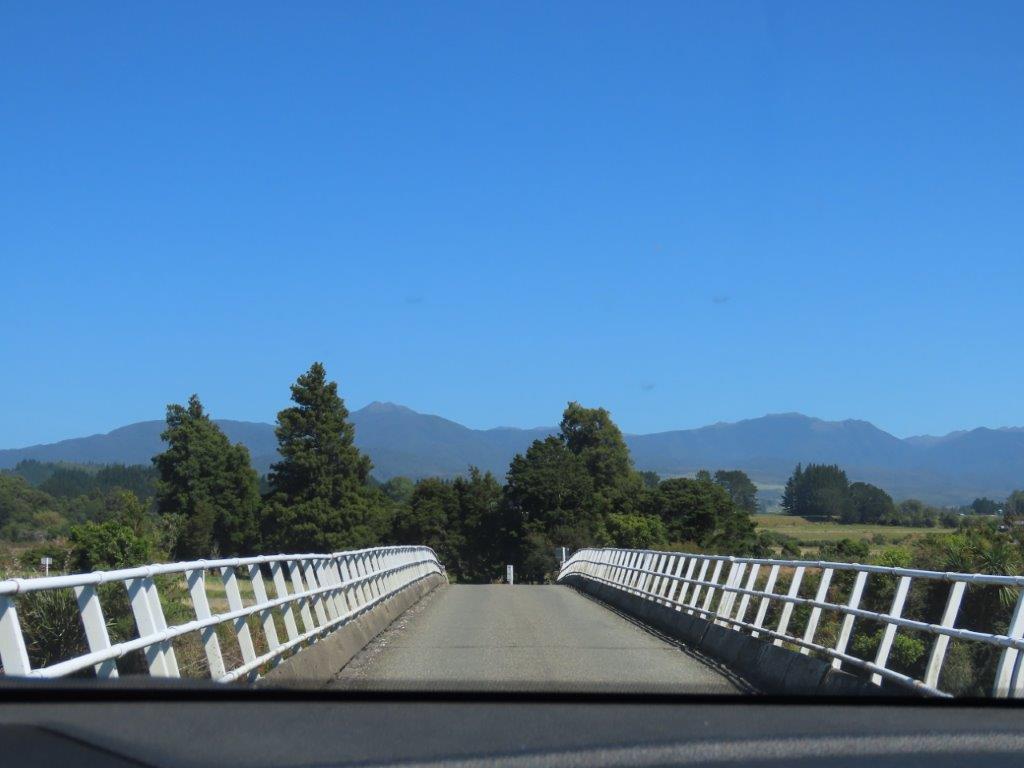
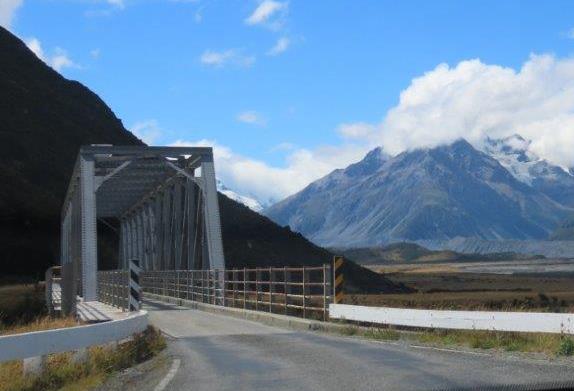
The vast majority of bridges in New Zealand have only one lane to cross the bridge. So you have to take turns with the on-coming traffic. Most of the bridges are short and you can easily see across to the other side.
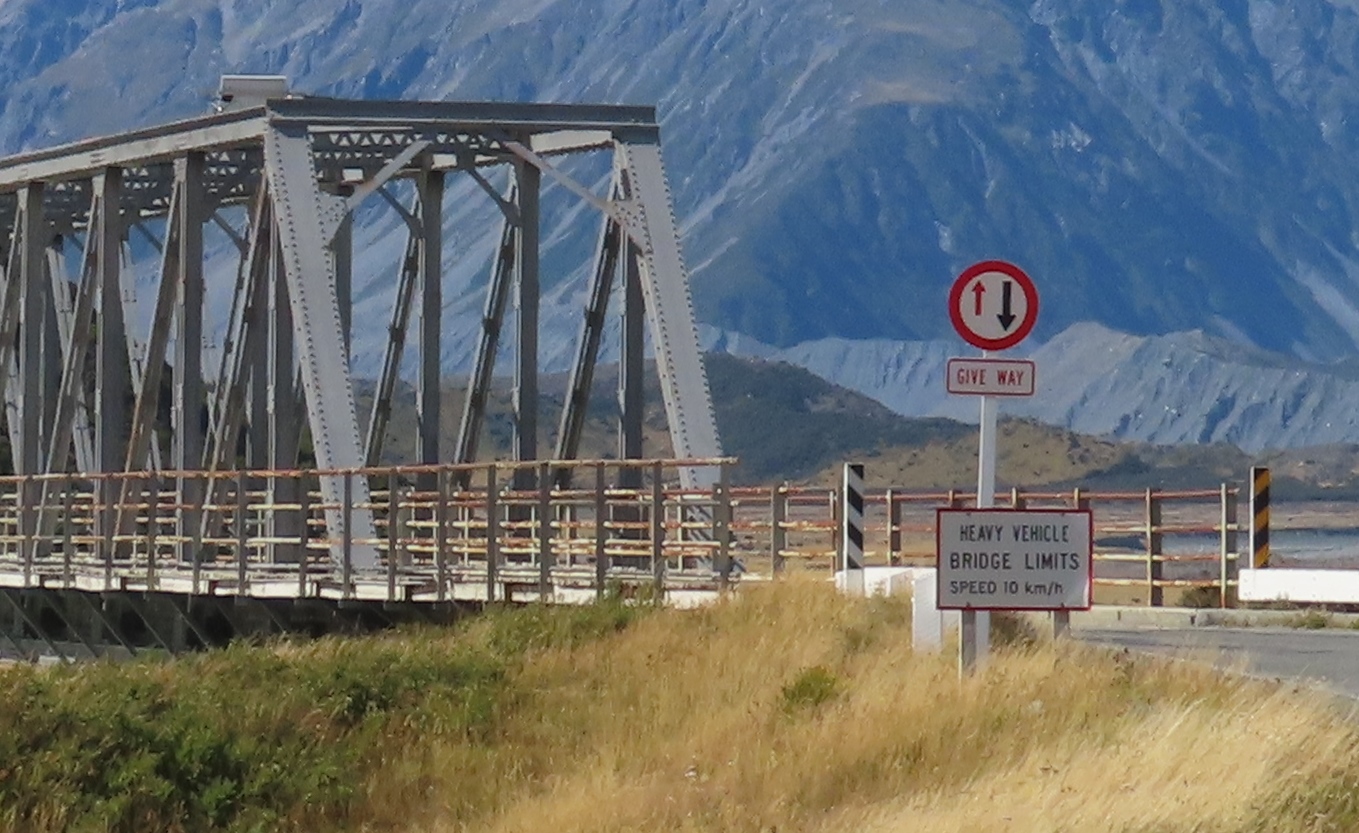
As you approach the bridge, look for the sign with the large and small arrows. The direction with the larger arrow has the first right of way. The direction with the smaller red arrow can only proceed if there is no oncoming traffic.
In a few places, there are red/yellow/green stop lights to indicate bridge crossings, but the majority of them just have the signage with the arrows.
#4 – Take Your Time
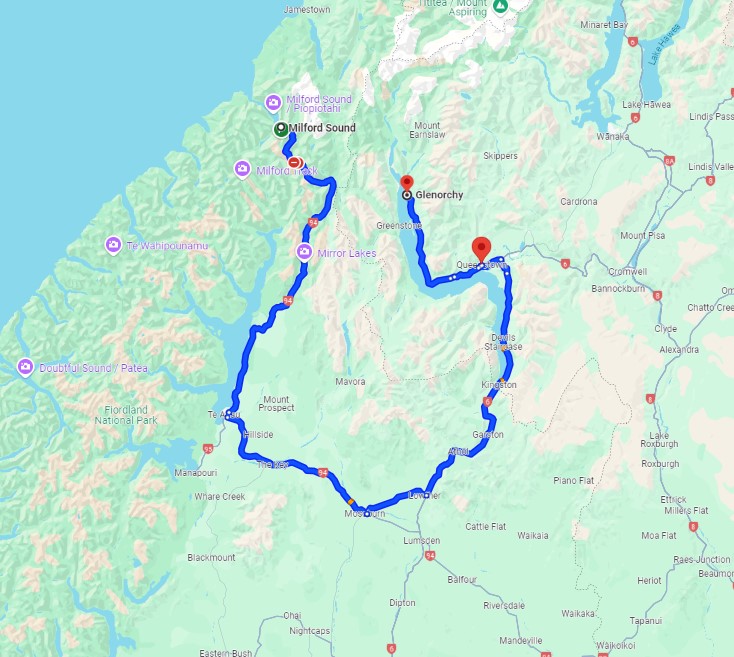
The drive is going to take a lot longer than you think it will from looking at the map. It can appear short on a map, but the roads take you the long way around because there aren’t very many routes over the steep mountains.
Glenorchy to Milford Sound is a good example. They appear to be really close to each other on the map, but you can’t drive over the mountains.
So you have to drive 5 hours along Lake Wakatipu, back through Queenstown, down to Lowther, over to Te Anau, and then back up to Milford Sound.
Since the drive is so beautiful, you will also want to pull over frequently to take pictures.
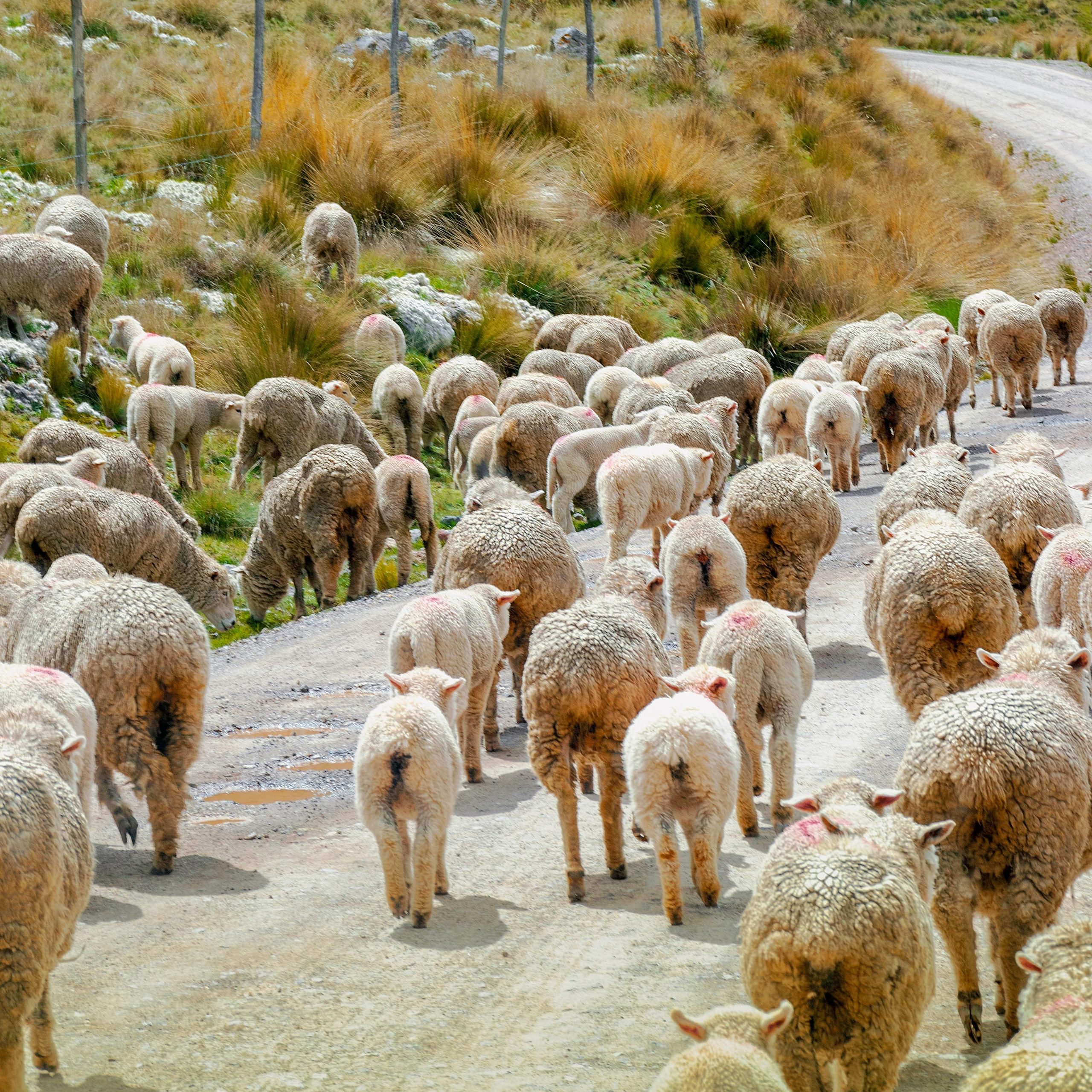
And there will likely be additional delays if you get behind a slower driver, or have to wait for a herd of sheep to cross the road. “Pack your Patience” my friend Della always says!
#5 – Few Highways
It’s all mostly two lane roads with one lane in each direction. Even State Highway 1 (SH1) that runs throughout the country, is for the most part, a two lane road.
The only place we traveled that had anything resembling a highway was outside of Dunedin – for a short while, there were exit and entrance ramps. Although I have heard that on the North Island near Auckland, they have some larger highways.
#6 – Kilometers, not Miles
Like most of the world, New Zealand uses the metric system. So distance is measured in kilometers (km). A rough way to calculate it is multiplying the kilometers by 60% to get the equivalent number of miles. So a distance of 100 km is approximately 60 miles.
In towns, you’ll often see signs that say the turnoff is in 500 meters which is approximately 3/10 of a mile or in 200m which is about 1/10 of a mile.

Also very important to remember that speed is also measured in km/hour or kmh.
So if the sign says 100 km, it’s really 60 miles per hour (pretty common on the highways away from town). And 50 km is 30 mph (pretty common in towns).
#7 – Animals on the Road
You never know when you might have to wait for a herd of sheep or cows to cross the road. And they aren’t usually in any type of hurry. They take their sweet time crossing over.
#8 – Weather Can be a Factor
Many visitors to New Zealand brag about getting to experience all 4 seasons in one day with the frequent changes in weather. In the Winter Months (June – August), there can be a lot of snow in the mountains so roads might be closed going over the passes.
And If you’re in a campervan at any time of year, strong winds can create the potential for getting blown off the road! To ensure safe driving in New Zealand, be sure to check both road and weather conditions before heading out!
#9 – Use a GPS
If your rental car company offers a GPS, we highly recommend taking advantage of it. As you get to more rural areas of the country, the signs are fewer and the cell phone coverage is more sparse. Having a GPS in your vehicle can be a life saver in guiding you to your next destination.
#10 – Increase Your Distance
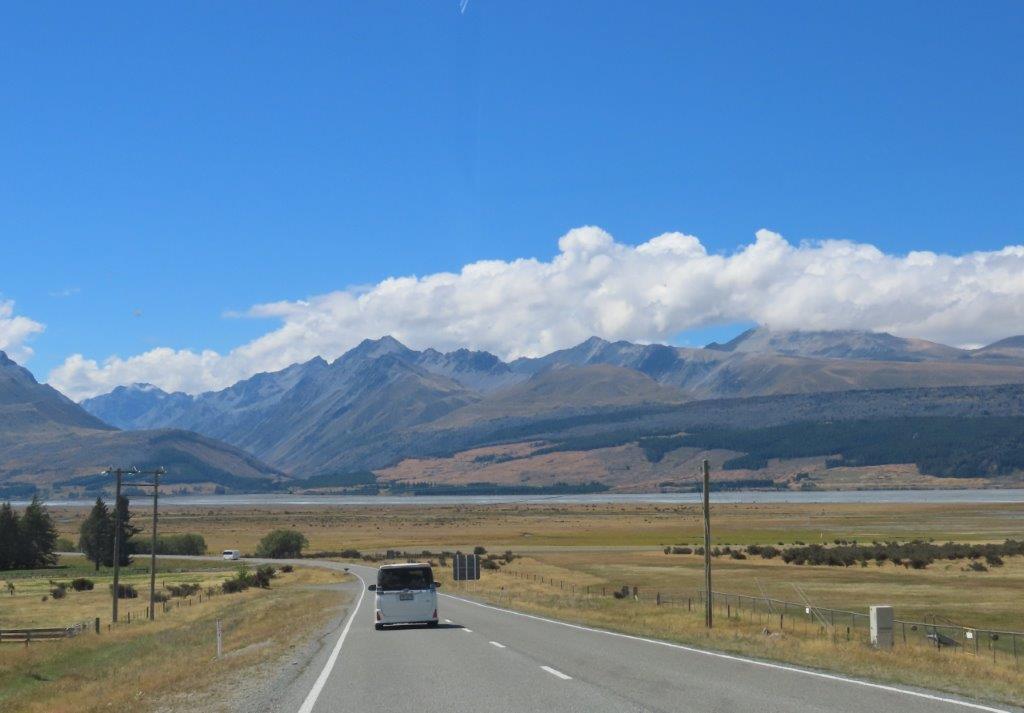
We recommend keeping a bigger distance between you and the car in front of you than you normally would at home as you go around these tight corners on twisty and curvy roads.
How Are the Roads for Driving in New Zealand?
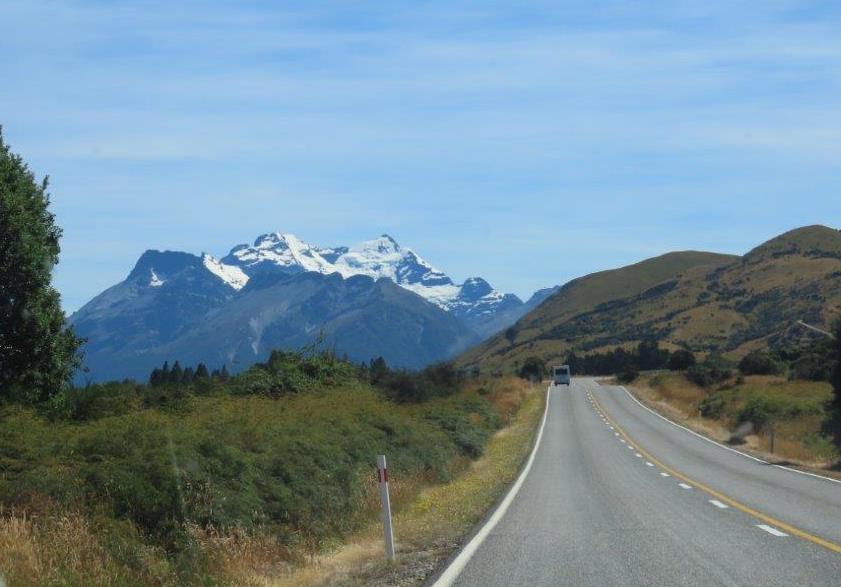
In general, we found the roads in New Zealand to be in good condition and drivable, with some care and precautions taken.
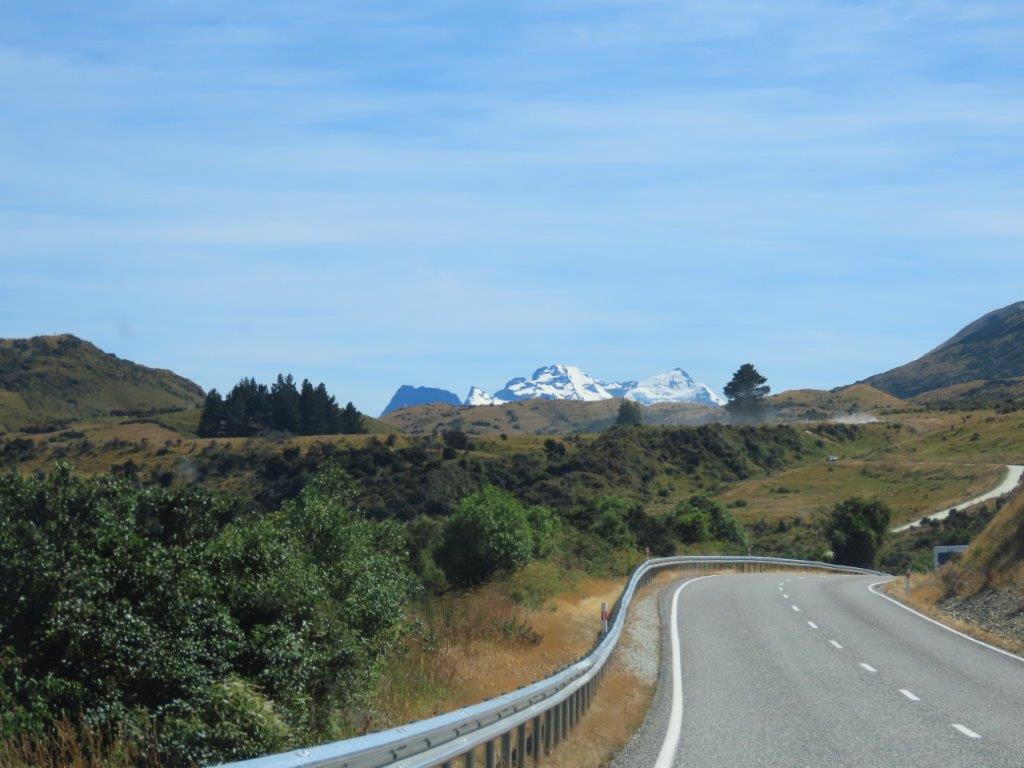
Almost all of their roads, even their main highways, are two lane roads with one lane in either direction. They wind and twist through foothills, narrow valleys, over mountain passes, and along the coastline – all with stunning scenery! We didn’t experience any straightaways that ran for more than a mile or two.
Most of them are paved and in good condition, although they often don’t have any kind of shoulder. There might be a 50’ drop down a cliff on one side of the road, and waterfall coming off the cliff on the other side. Usually there are guardrails, but not always.
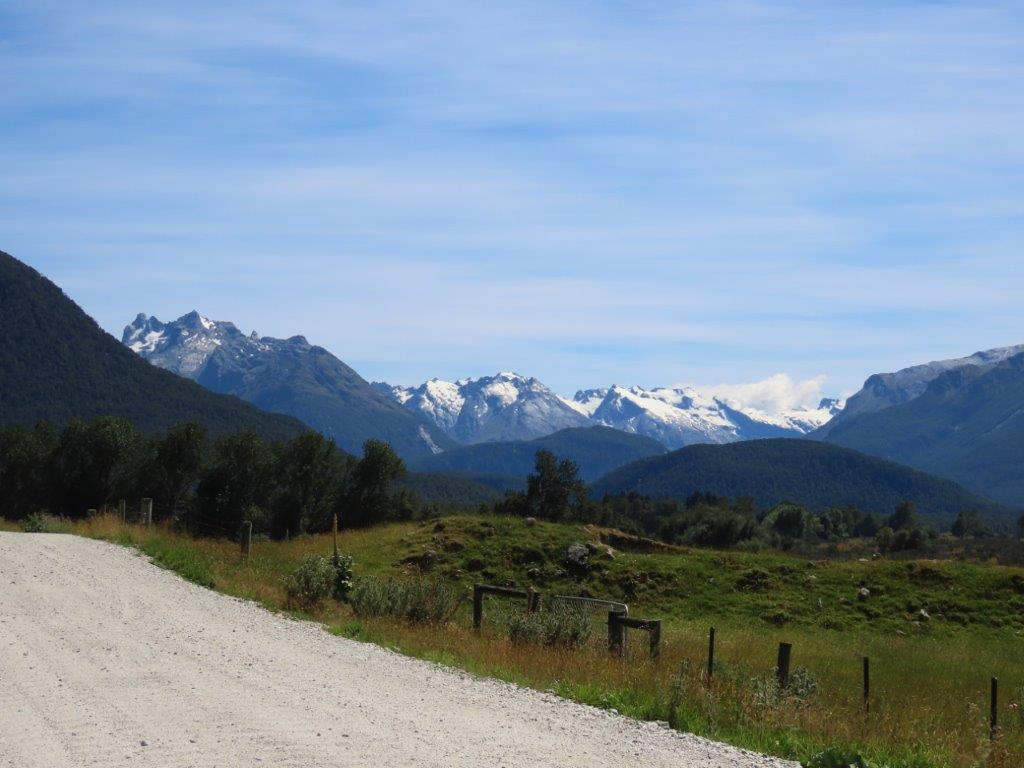
And even the gravel roads are also pretty well-packed. We found a few bumpy, washboard-like spots, but generally the driving conditions on those more rural roads were pretty good.
What’s Different About Road Signs in New Zealand?
Thankfully, they are all in English and many are exactly the same as in the US. But here a few that are different:
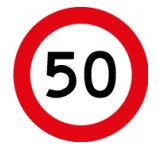
Speed Limit
A thick red circle with a black number in the middle tells you the speed limit for that road.
Remember that it is in kilometers, not miles so you need to go about 60% slower.
Parking Limits
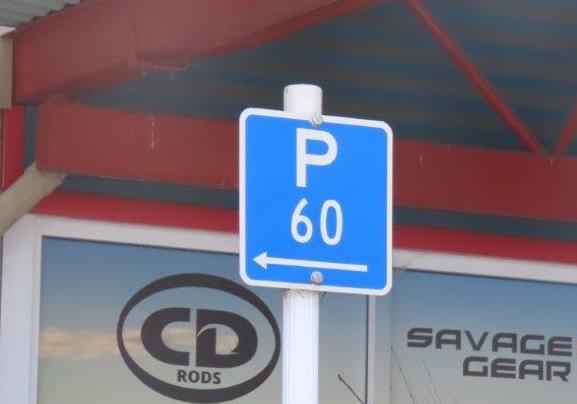
Parking time limits are indicated by blue signs with a P, a number and sometimes an arrow.
This one means you can park to the left of the sign for 60 minutes. The one by the Bottle Shop (Liquor store) says P 10.
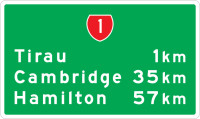
Distance to Next Towns
Shows which highway or road you are on, plus the distance in kilometers to the places listed
Keep Left if Passing
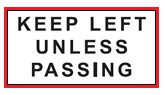
When you are at one of the occasional passing lanes (see #2 above), you need to stay in the left lane while the faster drivers pass you on the right.
Alcohol Checkpoints
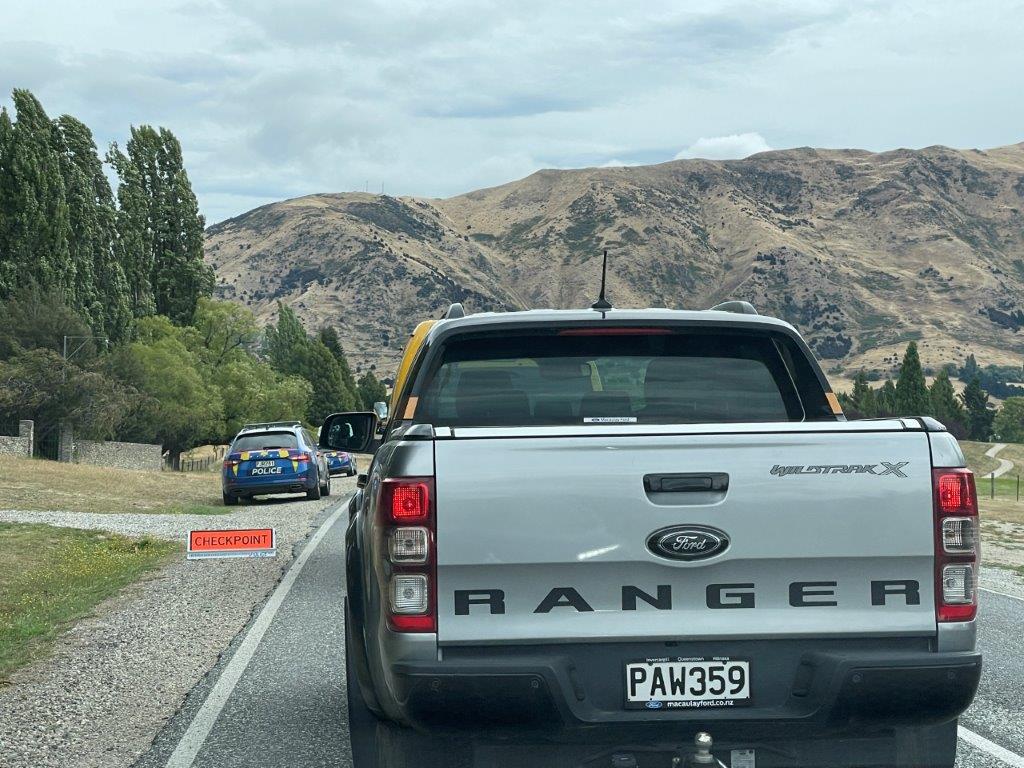
New Zealand authorities frequently do checkpoints on roads to test for alcohol, indicated by the orange CHECKPOINT sign. Everyone on the road must stop and be tested. It only takes a few minutes and then you’re on your way.
Tourist Information Centre

This sign shows the way to the nearest Tourist Information Centre. Most towns have one to provide maps and other helpful info about things to do in the area.
Things New Zealand Authorities Are Very Strict About
Cell Phone Use
No use of phones in hand is permitted while driving in New Zealand – set your directions in your Maps app before you leave. Use Siri to ask questions or take other actions while driving. Or let your co-traveler do the navigating for you.
Full Complete Stop at Stop Signs

Stop signs are not used as often in New Zealand as they are in the US because of the frequent use of roundabouts.
But when they are present, you must come to a full complete stop, not a rolling stop like some other countries allow.
Speed Limits
In the US, the speed limit often means you can get away with being 5 or 10 miles over the limit without getting stopped. But in New Zealand, they will ticket you for being just a little bit over the posted speed limit. When we were there, Bill got a speeding ticket for going 8 km (just under 5 miles) over the limit.
Alcohol Use While Driving
The blood alcohol limits in New Zealand are lower than in the US and there is no tolerance for exceeding them. If you’re doing a winery or brewery tour, make sure you have a designated driver or take an Uber back to your lodging (available in larger towns only).
Seatbelt Use
Wearing a seatbelt while driving in New Zealand is required by law, for both drivers and passengers.
Other Things to Note About Driving in New Zealand
- Documentation needed – your driver’s license from the US is all you need for driving in New Zealand.
- Because of it’s location in the Southern Hemisphere, the seasons are opposite those in the US. Summer is December – February, Fall is March – May, Winter is June – August (ski season!), and Spring is September – November.
- The time zone change is anywhere from 4-7 hours different from the US (it’s actually 16-19, but because of the international date line, it’s just a different day.) Be aware of your jet lag before you start driving!
- Clean, free public bathrooms are readily available in almost every town.
Additional Resources for Safe Driving in New Zealand
The New Zealand Transport Agency offers many resources to help visitors prepare for driving in New Zealand. Check these out:
- A handbook for overseas drivers – https://www.nzta.govt.nz/resources/driving-in-nz/
- Drive Safe program – http://www.drivesafe.org.nz/
- Time and distance calculator – https://www.aa.co.nz/travel/time-and-distance-calculator
More New Zealand Posts
Here are some more posts about New Zealand, including some that I’m still working on. If you’d like to receive emails when I’ve posted new content to the site, please complete the short form above.
- New Zealand Overview – Facts & Travel Tips for First Time Visitors – the currency, time zone, driving, language, drinking water and more
- Why the South Island was Perfect for our New Zealand Road Trip
- Safe Driving In New Zealand – 10 Things You Need to Know
- Lots more posts coming soon!
Queenstown
- 20 Best Hikes in Queenstown, New Zealand
- 28 Popular Things to Do in Queenstown, New Zealand
- More coming soon!
Kaikoura
- 23 Best Things to Do in Kaikoura, NZ
- Tips for Exploring the Kaikoura Peninsula & Walkway
- Coming Soon: Experiencing the Albatross Encounter
Lake Tekapo
- Lake Tekapo Stargazing – Where to Stay to See the Stars for FREE
- More Coming Soon!
Find this post helpful? Save it to Pinterest for later!